
Many people in the United Kingdom now prefer natural beauty products. They want to avoid harsh chemicals like ammonia in their hair dye. For this reason, more British consumers are choosing plant-based options for their daily routines. You might notice that chemical dyes often smell very strong and sharp. In contrast, pure henna hair dye smells like fresh cut grass or hay. This natural powder comes from a plant called Lawsonia inermis.
People have used these dried leaves for thousands of years to colour hair. Surprisingly, you can get amazing results right at home using only plants. You do not always need a fancy salon to look your best. This guide will help you understand how to use this ancient secret. We will show you how to get shiny, healthy hair safely. Welcome to your new journey toward a chemical-free and vibrant lifestyle today.
What Exactly Should You Look for in Pure Henna Hair Dye?
Finding the right product can feel a bit confusing at first. You must read the ingredients list on the back carefully. A high-quality pure henna should only have one ingredient. That ingredient is simply 100% Lawsonia inermis leaf powder and nothing else. However, some companies add hidden chemicals to change the final colour. You must avoid products that contain metallic salts or PPD chemicals.
These additives can damage your hair or cause very bad skin rashes. Furthermore, stay away from products sold as black henna in local shops. Real henna is never naturally black; it is always a reddish-orange. Look for special UK certifications like the Soil Association Organic logo. This symbol proves the product is truly organic and safe for you. Another good sign is the COSMOS label on the box or bag. These UK standards ensure that your dye is clean and very pure.
What Are The Benefits for your Hair and Scalp?
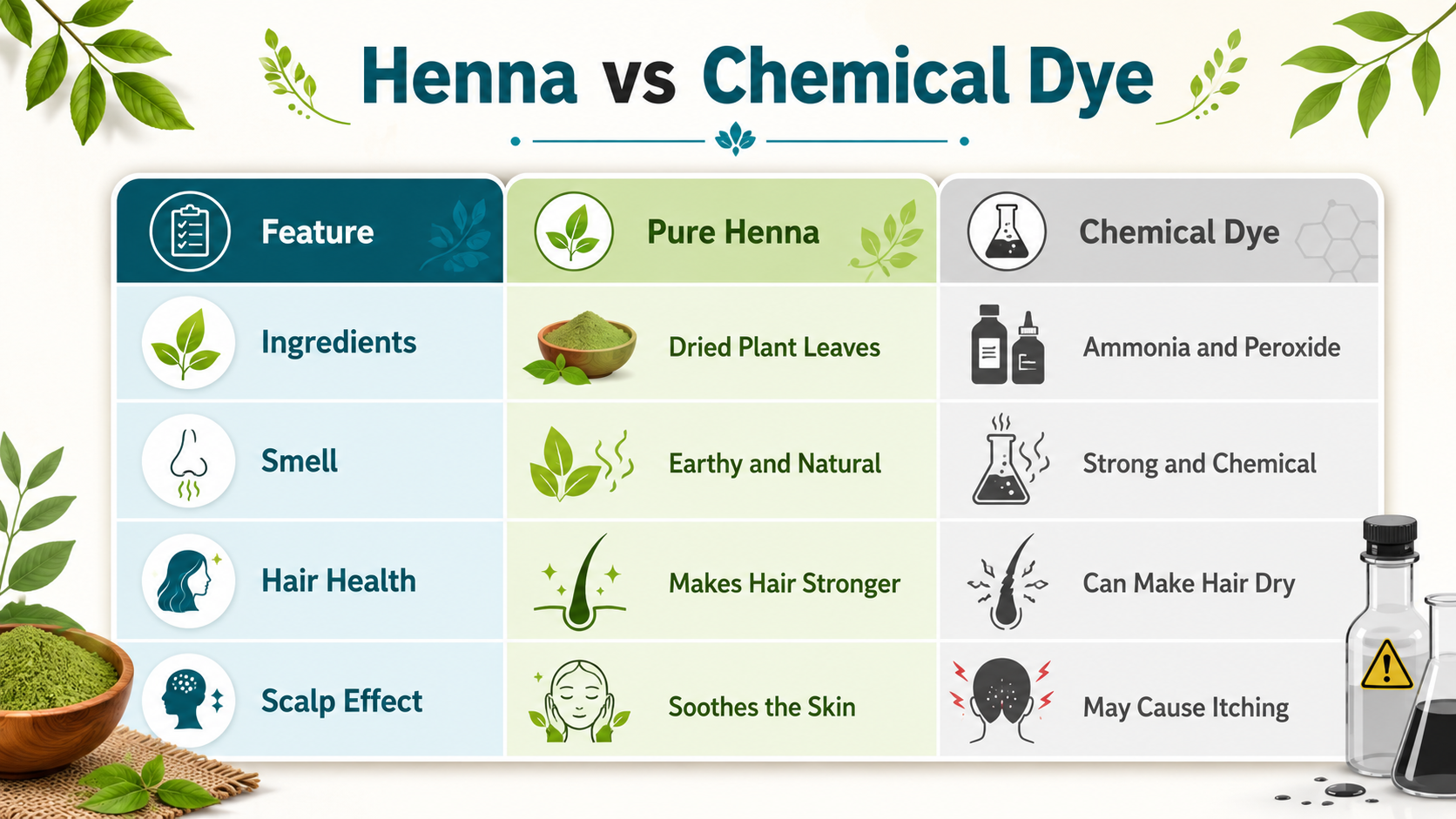
Using pure henna hair dye offers many wonderful benefits for your hair. Unlike chemical dyes, it does not break the hair strands apart. Instead, it coats each hair in a protective and shiny layer. This process makes your hair feel much thicker and very soft. Therefore, it acts as a deep conditioning treatment for your whole head. Additionally, henna is very good for people with sensitive or itchy scalps.
It has natural antifungal properties that help to stop annoying dandruff. Many users find that their scalp feels much cooler and calmer. The UK weather can also be very tough on our hair. Between the wind and the sun, hair often becomes quite dry. Luckily, henna provides a natural shield against harmful UV sun rays. Your colour will stay bright even when you are outside often. This makes it a perfect choice for the changing British seasons.
Does Pure Henna Work the Same on Every Hair Type?
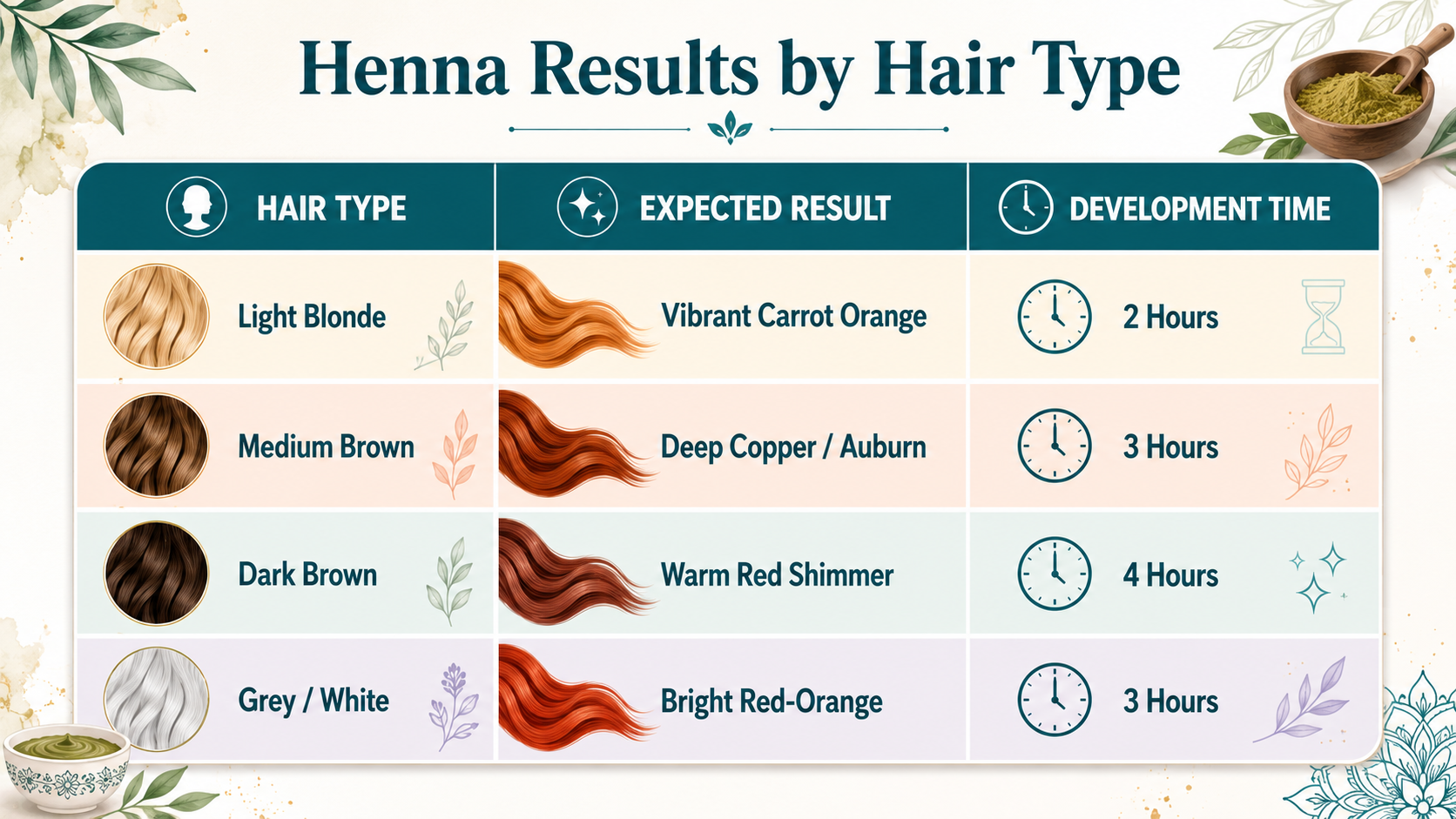
The final colour depends mostly on your original hair shade. If you have blonde hair, the result will be very bright orange. Brunettes usually see a lovely deep auburn or rich copper glow. Conversely, grey hair takes the dye very strongly and looks like fire. You must consider the water quality in your specific UK town. Many areas in England have “hard water” filled with many minerals.
These minerals can sometimes make the henna colour look a bit dull. You can fix this by using filtered water for your mix. Always perform a strand test before covering your entire head. This helps you see the final result on a small hidden section. It prevents any surprises if the colour is too bright for you. Different hair textures also absorb the paste in various ways. Thick hair might need a longer waiting time for the best results.
How Do I Apply Pure Henna Hair Dye?
Preparation is the most important part of the whole colouring process. You should know that UK tap water is often quite hard. This means it has minerals that might affect your final colour. So, you might want to use distilled water for your mix. First, put your henna powder into a large ceramic or glass bowl. Next, you need to add an acidic liquid to the powder. You can use lemon juice or perhaps some apple cider vinegar.
These liquids help the dye release from the plant leaves slowly. Some people prefer using warm tea infusions for a richer scent. After mixing, let the paste sit for several hours to develop. When you are ready, apply the thick paste to your clean hair. Use clips to section your hair so you do not miss spots. Then, wrap your head in plastic to keep the paste warm. You must wait between two and four hours for the best results.
- Wear old clothes because henna will stain your favourite shirt.
- Cover your floor with old newspapers to catch any green drips.
- Use a thick cream around your ears to prevent orange skin.
- Always wear gloves to keep your fingernails from turning red.
Can You Use Pure Henna on Bleached Hair?
You can use pure henna on bleached hair, but you must be careful. Bleached hair is very porous and absorbs the dye very quickly. Specifically, the henna might turn a very bright neon orange at first. You should always perform a strand test on a small hidden area. This shows you exactly how the colour will look on your hair. Additionally, wait at least one month after bleaching before using any henna.
This gives your hair some time to recover from the chemical damage. Furthermore, you should avoid henna with any metallic salts on bleached hair. These salts can cause a chemical reaction that ruins your hair texture. Pure henna is actually a wonderful way to strengthen your damaged hair. It fills in the gaps in the hair shaft created by bleach. Your hair will feel thicker and much stronger after a few applications.
How Can You Maintain Your Natural Hair Colour?
Maintaining your new colour is very easy with the right steps. First, do not wash your hair for two days after dyeing. This allows the oxygen in the air to set the colour. You will notice the shade changes slightly during the first week. It usually moves from a bright orange to a deep red. To keep the shine, use sulphate-free shampoos found in UK shops.
These gentle soaps do not strip the natural plant oils away. Additionally, try rinsing your hair with cool water after you wash. This helps to seal the hair layer and keep the glow. You can also do a henna “gloss” every few weeks. Just mix a little henna with your favourite hair conditioner. This keeps the colour looking fresh without a full dye process. Your hair will look vibrant and healthy for a very long time.
Where can you buy the best pure henna hair in the UK?
Finding high-quality powder is easy if you know what to look for. Always check the packaging for official organic certifications from the UK. Look for the Soil Association Organic logo or the COSMOS label. These symbols prove the product is grown without any harmful pesticides. You can find good brands at high street shops like Holland & Barrett. Additionally, many specialist online retailers offer fresh batches from India or Morocco.
Be very careful of fake henna products sold in small corner shops. These cheap boxes often contain metallic salts that ruin your hair texture. Truly pure henna hair should only have one ingredient on the label. If you see a long list of chemicals, put it back. High-quality henna should always smell like fresh cut grass or dried hay.
What Is the Ideal Dye Release Time for Henna?
Pure henna needs time to release its dye into the water mix. You cannot just mix it and put it on your hair immediately. Usually, you should let the paste sit for a few hours first. Place the bowl in a warm spot in your kitchen or lounge. You will see the top of the paste turn a darker brown. This means the dye is now ready to colour your hair strands. However, indigo powder does not need a long wait time like henna.
If you are using indigo, mix it just before you apply it. Mixing them correctly ensures you get the exact brown or black shade. Some people like to mix their henna the night before they use it. This allows the plant chemicals to develop fully for a deep stain. Therefore, patience is the secret to a professional-looking result at home.
Conclusion on Pure Henna Hair Dye
Switching to pure henna hair dye is a great gift for your hair. It provides a beautiful colour while making your strands much stronger. You will avoid the itchy scalp and dry ends caused by chemicals. Although the process takes longer, the results are truly worth the wait. You are making a long-term investment in your overall hair health.
Also, you are helping the planet by using biodegradable plant products. British shops offer many great options for you to try at home. Start with a small strand test to see the magic yourself today. Soon, your hair will shine with a deep and natural glow. We hope this guide helps you feel confident in your beauty choices. Enjoy your beautiful, healthy, and chemical-free hair in the UK sunshine!
FAQs
-
What are the ingredients in pure henna?
- Pure henna contains only 100% Lawsonia inermis (henna leaf powder) with no added chemicals, dyes, or preservatives.
-
How can you tell if henna is pure?
- Check the label. Pure henna should list only Lawsonia inermis as the ingredient and contain no artificial additives or metallic salts.
-
What is the healthiest hair dye to use?
- A 100% natural hair dye, such as pure henna, is one of the healthiest options because it is free from harsh chemicals like ammonia and peroxide.
-
Is henna good for low porosity hair?
- Pure henna can strengthen low-porosity hair, but it may take longer to absorb and should be applied with proper preparation.
-
Which henna is 100% natural?
- A 100% natural henna contains only finely sifted Lawsonia inermis powder with no synthetic dyes, fillers, or chemical additives.
-
What is the downside of henna on hair?
- Henna provides long-lasting colour, but it can be difficult to remove or lighten and may leave hair feeling slightly dry if not followed with a moisturising treatment.