
Imagine the joy of a beautiful Mehndi ceremony with your family. Everyone is laughing and wearing gorgeous outfits during the bright celebration. Suddenly, a drop of fresh henna lands on your favourite sleeve. You might feel a quick surge of panic in that moment. Henna is a powerful dye used for centuries in many cultures. It is meant to stay on skin for a long time. Therefore, it also loves to stick to your clothes and linens. However, you do not need to throw your clothes away. Acting quickly can save your precious fabrics from a permanent mark. This guide will help you fix these accidents very easily.
Why is it so difficult to learn to remove stubborn henna stains from fabric?
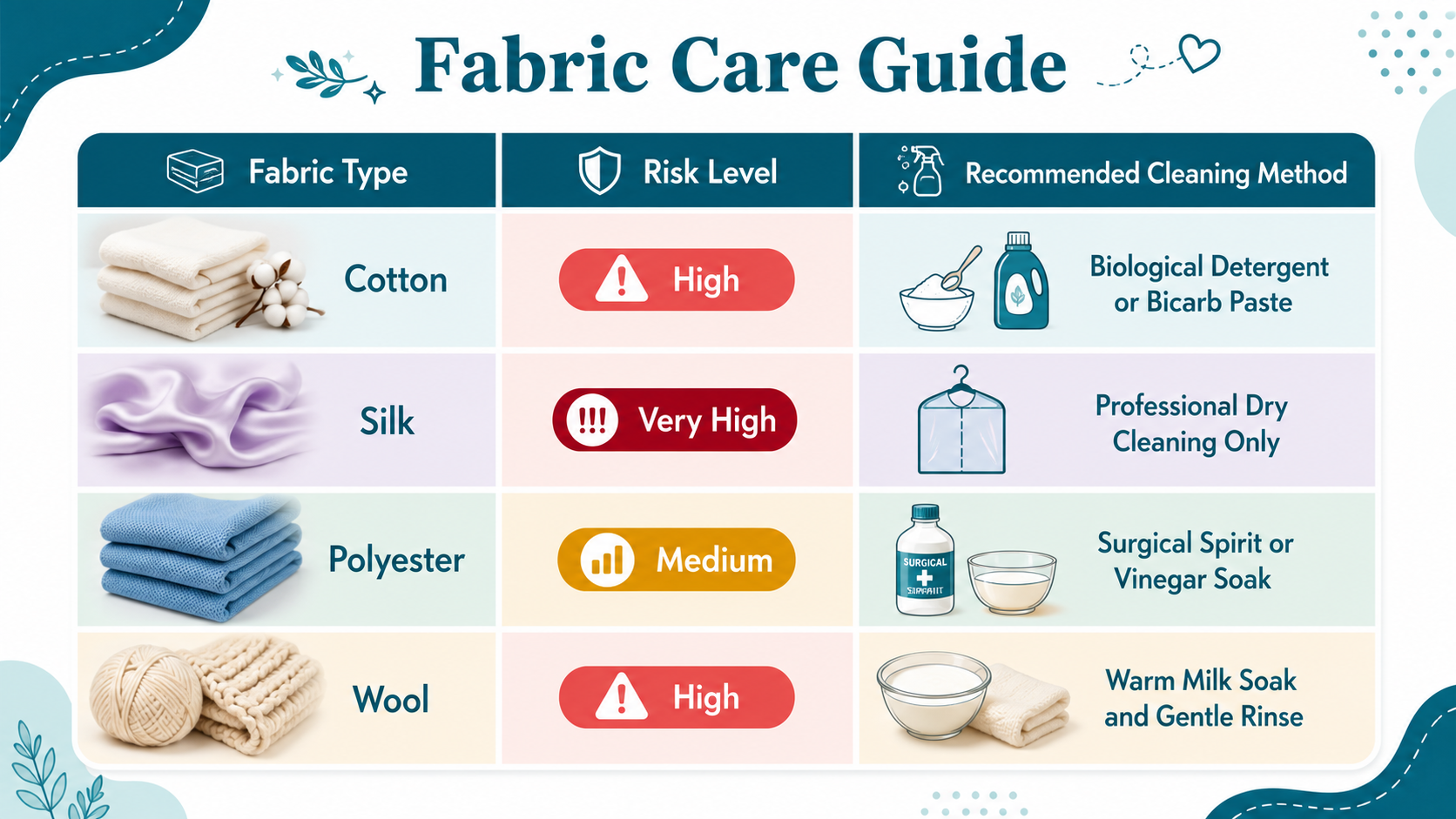
Many people struggle because henna acts like a permanent ink. It contains organic compounds called tannins that bind to cellulose fibres. Thus, the dye becomes a part of the fabric structure itself. Most people make the mistake of using hot water first. Heat actually locks the dye into the threads forever. You should always use cold or room temperature water instead. Furthermore, different fabrics in the UK require very specific cleaning methods. A cotton towel is much tougher than a delicate silk scarf. Understanding your fabric label is the first step toward a clean result. For instance, wool requires much gentler handling than synthetic polyester blends.
What are the best home remedies to remove henna stains?
You can find many effective cleaning tools in your kitchen. These items are often safer than harsh chemicals from shops. For example, simple kitchen staples can break down the tough lawsone. You do not need to spend a lot of money. Most UK homes already have these ingredients in their cupboards. Using natural remedies is also better for your skin and hands. However, you must be patient when using these home methods. Some stains might need two or three attempts to vanish. Always stay calm and keep working on the orange mark. Your persistence will eventually pay off with a clean garment today.
How to remove stubborn henna stains using warm milk?
Milk is a fantastic tool for organic stain removal tasks. Specifically, the proteins in milk bind to the henna dye. This pulls the pigment away from the fabric threads effectively. Start by warming a small bowl of full-fat milk slightly. Do not let the milk become hot or boil over. Submerge the stained area into the liquid for thirty minutes. Afterwards, you will see the milk turning a light orange. This means the dye is leaving your shirt or dress. Rinse the area with cold water to check the progress. You can repeat this process several times if needed today.
Can bicarbonate of soda and lemon juice fix your clothes?
This duo creates a powerful bubbling reaction on the fabric. First, mix two tablespoons of powder with fresh lemon juice. The mixture should look like a thick, white cleaning paste. Apply this paste directly onto the stubborn henna stain now. Let it sit for about ten minutes to work deeply. The lemon acts as a natural bleach to fade pigment. Meanwhile, the soda lifts the particles out of the weave. Scrub the area very gently with an old soft toothbrush. Finally, wash the item with cold water to see results. This method works best on light-coloured or white cotton items.
Will biological laundry detergent remove the orange marks?
Most UK supermarkets sell biological detergents with special cleaning enzymes. These enzymes are designed to eat organic matter like henna. Therefore, they are much more effective than non-biological soap brands. Apply a small amount of liquid directly to the stain. Rub the fabric together gently to create a soapy lather. Let the soap sit for fifteen minutes before rinsing it. This gives the enzymes time to break down the dye. Consequently, the orange mark will start to fade away quickly. Always check the garment label before using strong biological soaps.
When should you take your stained fabric to a dry cleaner?
You must check the care label on your clothing first. Some items have a small circle symbol on the tag. This means the item is too delicate for home washing. For example, silk saris or pashminas are very sensitive to water. Trying to clean them at home might ruin the texture. In these cases, you should visit a professional dry cleaner. Places like Johnsons or local specialists have better cleaning chemicals. Tell the cleaner exactly what caused the orange stain today. They will know which professional solvents to use for henna. Paying for an expert is better than ruining expensive clothes.
What is the best way to clean henna off carpets?
Accidents often happen on carpets during a busy wedding party. You cannot put a large rug into the washing machine. Therefore, you must use a different cleaning strategy for carpets. First, use a spoon to remove any wet henna paste. Sprinkle a lot of common table salt over the area. The salt will absorb the moisture and the orange dye. Let it sit for twenty minutes then vacuum it up. Afterwards, use a specialised UK cleaner like Vanish carpet spray. Follow the instructions on the bottle for the best results. Always test the spray on a hidden corner of carpet.
Why should you avoid the tumble dryer for henna stains?
Many people make the mistake of drying their clothes quickly. However, heat is the enemy of successful stain removal today. If any dye remains, the dryer will bake it in. You should always air-dry the garment after your first wash. Check the area once the fabric is completely dry now. If you still see orange, you must repeat the process. Using a dryer too soon will make the mark permanent. Patience is the most important part of your cleaning journey. Always check your clothes carefully before using any heat source.
Can toothpaste really lift henna dye from cotton?
Some people suggest using white toothpaste for small henna spots. Specifically, the abrasive nature of toothpaste helps scrub the dye. You should only use the plain white paste, not gel. Rub a small amount onto the stain with your finger. Let the paste dry completely on the fabric for an hour. Afterwards, use an old brush to flake the paste away. Rinse the area with cold water to see the difference. This method is very handy for small splatters on shirts. However, it might not work as well for large spills. Always test this on a small spot first to be safe.
Is glycerin effective for softening old henna stains?
Glycerin is a wonderful liquid that helps to soften dried dye. You can find it in the baking or pharmacy aisle. Apply a small amount of glycerin directly to the mark. Let it sit for at least one full hour today. The liquid will penetrate the fibres and loosen the henna. Consequently, the dye will be much easier to wash away. Use a bit of biological detergent to rinse the glycerin. This method is perfect for clothes you found late. It gives the fabric a second chance at looking clean. Many professional cleaners use this trick for old organic stains.
Why does cold water work better than hot water?
Hot water causes the fabric fibres to expand and open. This allows the dye to move deeper into the core. Conversely, cold water keeps the dye on the surface layer. It prevents the chemical bond from becoming too strong today. Most experts recommend a maximum temperature of thirty degrees Celsius. Keeping it cool ensures the henna does not set permanently. Additionally, cold water is much safer for delicate, colourful patterns. Always turn the tap to the cold setting first. This simple choice can save your favourite outfit from ruin.
How do you handle henna stains on white clothes?
White clothes show every tiny bit of orange or brown. Therefore, you must be extra careful with your cleaning choice. You can use a mild bleach solution for white cotton. Mix the bleach with plenty of water to avoid holes. Let the white item soak for only ten minutes today. Rinse it immediately with fresh water to stop the chemical. This will help return the fabric to its original bright state. However, do not use bleach on any coloured fabric items. It will remove the original colour along with the henna. Using oxygen-based bleaches is often a much safer alternative.
Can you use hairspray to lift the henna pigment?
Hairspray is a surprising secret for many types of ink. Specifically, the alcohol content in hairspray dissolves the dye molecules. Spray a generous amount onto the stain until it is wet. Let the spray sit for about five minutes to work. Afterwards, blot the area with a clean white paper towel. You will see the orange colour moving to the towel. This is a great emergency tip if you are out. However, make sure the hairspray does not contain any oils. Oils can leave a different kind of stain on silk. Always wash the item normally after using this quick hack.
Why is a patch test important for your clothes?
You should never skip the patch test before cleaning today. Every fabric reacts differently to various soaps and home chemicals. Choose a small hidden area like an inside seam first. Apply your cleaning mixture and wait for five minutes now. Rinse it off and check for any colour changes. If the fabric looks normal, you can proceed safely. However, if the colour fades, stop using that specific method. This prevents you from making a small stain much worse. Protecting the integrity of your clothes is the main goal. A patch test takes only a few minutes of your time.
Will Vanish Oxi Action remove your henna stains?
Vanish is a very popular cleaning product in UK shops. It uses oxygen power to lift stains from deep fibres. You can use the powder or the spray version today. Mix the powder with a little water to make paste. Apply it to the stubborn mark and wait ten minutes. The oxygen bubbles will physically lift the dye away now. This is one of the best ways for how to remove stubborn henna stains from fabric. It is safe for most colours and very easy to use. Many families swear by this product for their wedding outfits. Always keep a tub in your laundry room for emergencies.
Can you use lemon essential oil for henna?
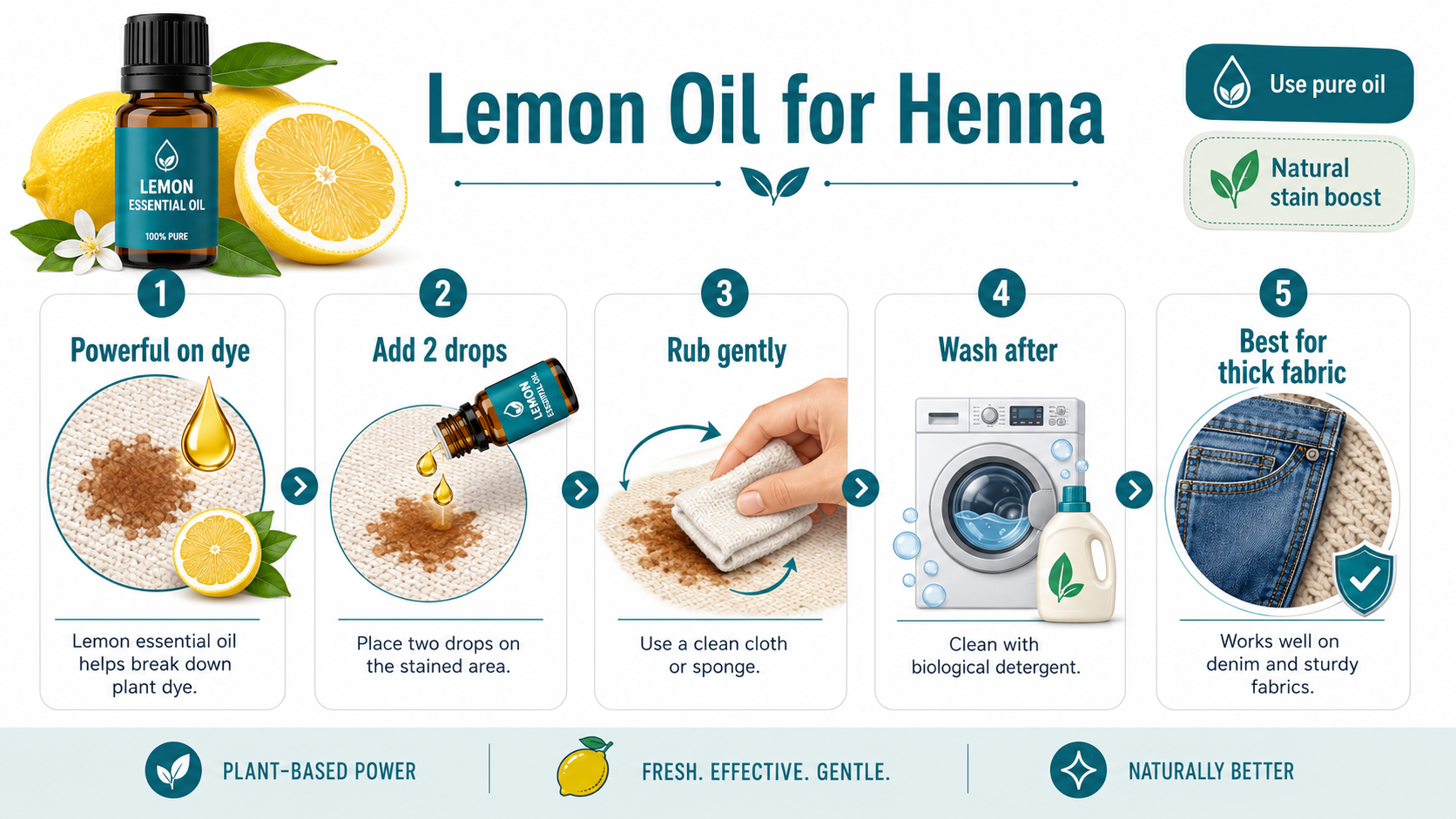
Lemon essential oil is a concentrated version of citric acid. It is very powerful for breaking down plant-based dye molecules. Add two drops of oil to the stained fabric area. Rub it in gently with a clean cloth or sponge. The oil will help dissolve the stubborn henna bonds today. Afterwards, wash the item with a strong biological detergent immediately. This ensures no oily residue remains on your nice clothes. Specifically, this works well for thick fabrics like denim jeans. It is a natural way to boost your cleaning power. Always ensure the oil is pure for the best results.
Conclusion
Removing henna does not have to be a difficult chore. You have learned many great UK household tips today. From warm milk to surgical spirit, your clothes are safe. Remember that speed and cold water are your best tools. Always perform a patch test on a small hidden area first. This ensures the cleaner does not damage the fabric colour. If a stain is very stubborn, stay patient and try again. Your favourite clothes can look brand new with a little effort. Did you find these cleaning tips helpful for your home? Share your success stories in the comments below to help others!
FAQS
1. How to remove dried henna stains from clothes?
- Rinse with cold water, apply a stain remover or liquid detergent, then wash according to the fabric care label.
2. Does henna come out of fabric?
- Fresh henna stains are easier to remove. Dried stains may require repeated treatment.
3. Can henna stains be removed?
- Many henna stains can be reduced or removed with prompt cleaning and the right stain-removal methods.
4. Does henna stain permanently?
- Henna can leave long-lasting stains, especially on light fabrics, but it is not always permanent.
5. Can toothpaste remove henna stains?
- Toothpaste is not a reliable stain remover and may damage some fabrics. Use a fabric-safe stain remover instead.
6. Is henna permanent on fabric?
- Henna is not usually permanent on fabric, but it can leave stubborn stains if not treated quickly.