
A kitchen sink can block at any time. Many people search for How to unblock a kitchen sink drain when water slows down. Grease, food scraps and soap often cause this problem. As a result, the sink starts to smell and overflow. However, most small blockages are easy to fix at home.
You can start with hot water or a plunger to clear the drain. Baking soda and vinegar also help break light clogs. These simple methods often work well for common kitchen issues. Still, deeper blockages may need extra effort. Therefore, quick action helps keep your sink clean and working smoothly.
Why is Your Sink Water Staying in the Basin?
Finding out how to unblock a kitchen sink drain is very easy. You do not need to be an expert to do this. Most kitchen clogs happen because of common daily habits. You might pour things down the hole without thinking today. However, these small things slowly create a big mess inside. You will see the water stop moving after dinner.
This problem can make your whole kitchen smell quite bad. Therefore, you must act quickly to fix the situation. We will teach you the best ways to clear it. Our steps are simple and very easy to follow now. You can handle this job with total confidence and speed. Let us look at the common causes first.
What are the Usual Suspects for Pipe Clogs?
Small bits of food can cause very big trouble. Many people forget that rice and pasta grow in water. These items expand inside your pipes and block the path. Also, fruit stickers often fall off during the washing process. These tiny stickers act like glue for other bits of dirt.
Furthermore, cold milk and cereal can create a sticky paste. This paste catches every single piece of waste that passes. Consequently, your drain becomes very narrow over a few months. Therefore, you should always scrape your plates into the bin first. This simple action keeps your pipes clear for a long time.
How Does the Salt and Water Method Work?
Table salt is a great tool for cleaning your drain. This coarse powder acts like a scrub inside the pipes. First, pour half a cup of salt into the hole. Then, wait for about five minutes for the salt to settle. This salt helps to loosen any greasy layers on the walls. Next, pour a large kettle of boiling water down slowly.
The heat and salt work together to break the clog. However, do not use too much salt at one time. This method is very safe for almost all types of pipes. Consequently, your sink might start draining much faster in minutes. It is a very cheap way to solve the problem today.
Which Basic Household Supplies Should You Grab Now?
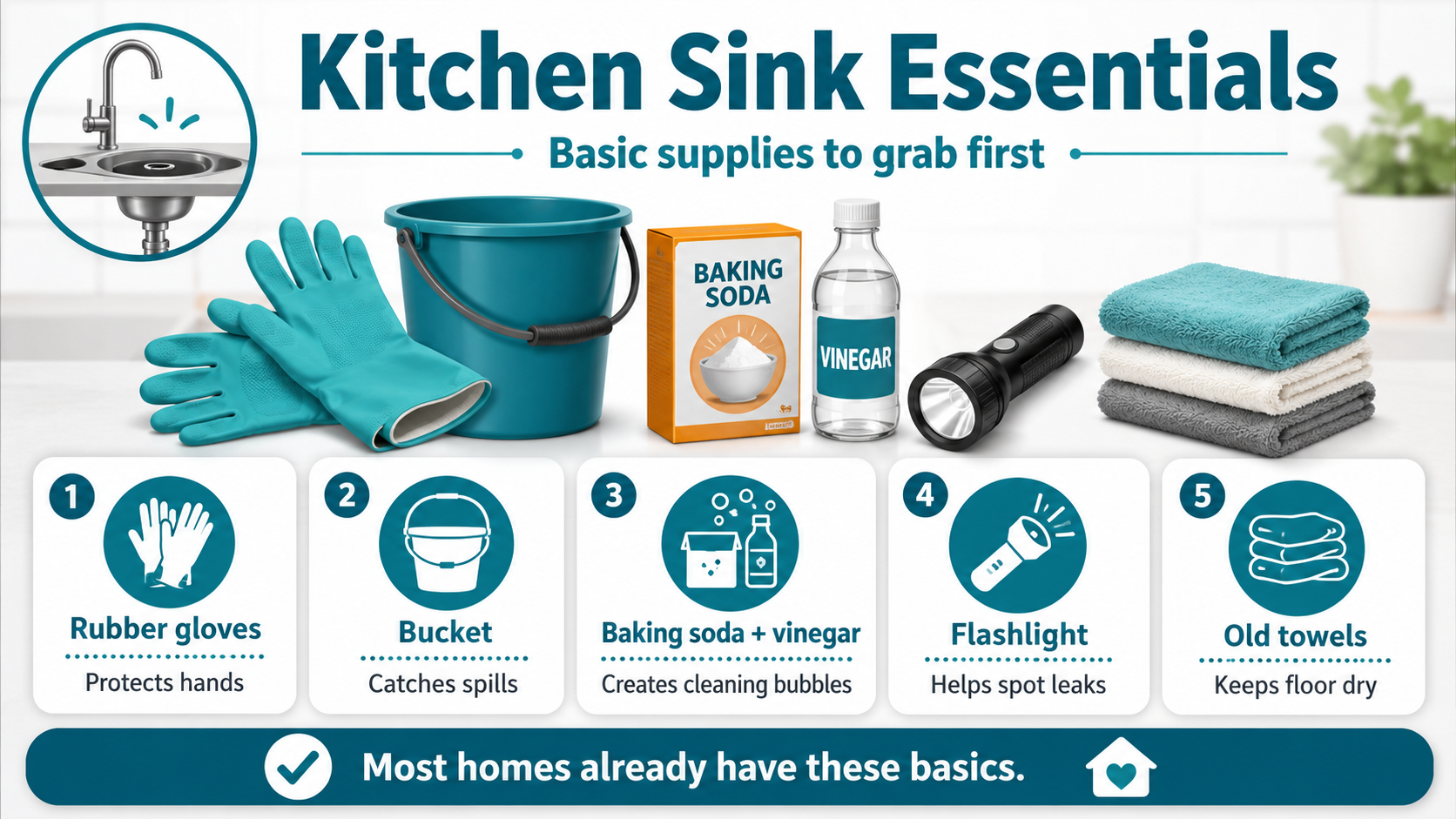
Gather basic tools before starting the job. Rubber gloves keep your hands safe from dirt and water. A bucket helps catch spills under the sink. You may also need a cloth and a flashlight for better cleaning. Baking soda, vinegar and a plunger can help clear blockages. Most homes already have these items. Prepare your area properly before you begin.
- Rubber gloves protect your skin from germs and dirty water.
- Large buckets catch every single drop of water from pipes.
- Baking soda reacts with vinegar to create cleaning bubbles.
- Flashlights help you see small leaks in dark corners.
- Old towels stop messy water from ruining your kitchen floor.
Can Enzyme Cleaners Be Better for Your Pipes?
Biological cleaners use tiny bacteria to eat through the waste. These cleaners are very safe for old UK plumbing systems. First, pour the liquid down the sink before you sleep. These enzymes work slowly over several hours during the night. They digest fat, hair and old food scraps very effectively.
However, you must not use the sink while they work. This gives the bacteria time to finish their big meal. Next, flush the pipes with warm water the next morning. These cleaners are much safer than using acid from shops. Furthermore, they do not damage your plastic or metal pipes. Therefore, this is a very smart way to maintain your kitchen sinks.
What Happens if You Use a Vacuum Cleaner?
A wet and dry vacuum can pull out a clog. This tool is very powerful and works very fast today. First, set your vacuum to the liquid setting for safety. Then, create a tight seal over the sink drain hole. You can use an old cloth to help the seal. Next, turn the vacuum on to its highest power level. The suction will pull the blockage up into the machine.
However, be ready for some very dirty water to appear. This method works well for toys or large solid objects. Afterwards, empty the vacuum tank into your outside drain carefully. Consequently, your sink will be clear without using any water. It is a very modern way to work.
How to Unblock a Kitchen Sink Drain Using Pressure?
A plunger uses pressure to remove blockages in pipes. Fill the sink with some water and cover the drain. Place the plunger over the hole and seal the overflow. Push and pull firmly to build suction. Then check if the water drains. Repeat if needed. This method works well for most small sink clogs.
- Enzyme cleaners digest food scraps without using any harsh acids.
- Wet vacuums suck out solid objects that block the water.
- Plungers use physical force to clear out heavy grease clogs.
- Lemon juice removes bad odours and kills kitchen bacteria fast.
- Suction seals are necessary for every pressure-based cleaning method.
What is the Proper Way to Check Seals?
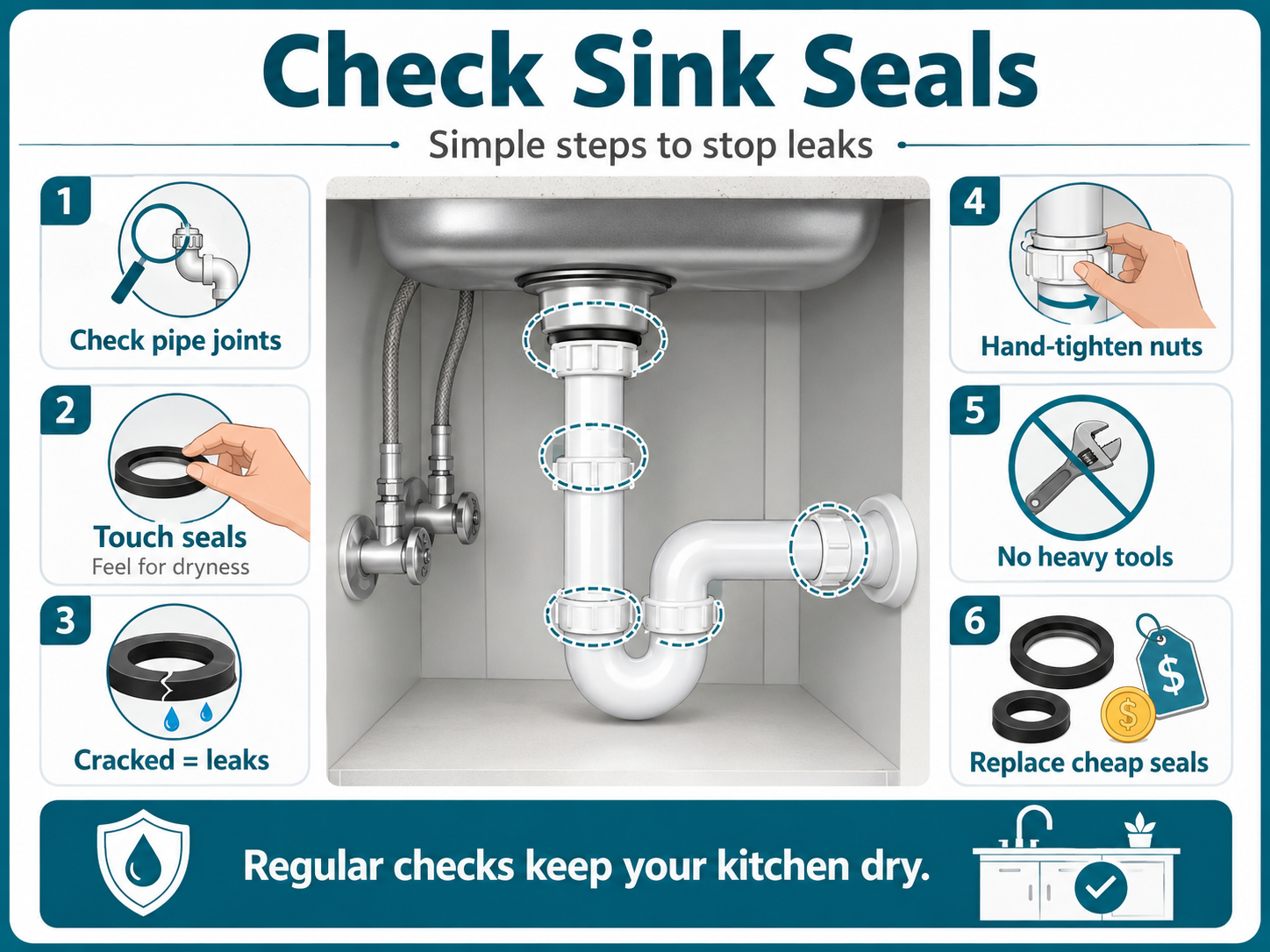
Checking the rubber seals under the sink is very important. These seals stop water from leaking onto your kitchen floor. First, look at the joints between the different plastic pipes. Then, touch the seals to see if they feel dry. Dry or cracked seals will cause leaks very soon. Next, tighten any loose nuts with your hands very gently.
You do not need heavy tools for most plastic pipes. However, do not turn them too hard or they break. If a seal is broken, you can buy new ones. They only cost a few pence at a hardware store. Therefore, regular checks keep your kitchen dry and very safe for everyone.
Why is Professional Water Jetting So Effective?
High-pressure water jetting is a very professional cleaning service. This method uses a powerful machine to blast the pipes. First, the plumber puts a special hose into the drain. Then, the machine shoots water at a very high speed. This water removes every single bit of dirt and grease. It even clears away tree roots that grow into pipes.
However, this service is usually for very deep or hard clogs. Next, the plumber will check the pipes with a camera. This ensures that the walls are completely clean and smooth. Consequently, your drains will work like new for many years. This is a great choice for very old UK homes.
How Can You Build a Better Sink Routine?
Creating a good sink routine prevents most future plumbing problems. First, never pour fat or oil down the drain hole. Instead, put old oil into a container and bin it. Then, rinse your sink with hot water after every meal. This helps to move small food bits through the system.
Additionally, use a mesh strainer to catch all the crumbs. You should empty this strainer into the bin every day. Next, use the salt or vinegar method once a week. This keeps the pipes clean and prevents any grease build-up. Consequently, you will rarely have to deal with a blockage. Therefore, a little care goes a long way in your kitchen.
When is the Right Time to Seek Advice?
Knowing when to call a plumber is very important, too. You should seek help if the water never goes down. Also, call a pro if you see water coming up. This could mean a very big problem in the main. If you hear gurgling sounds, the pipes need more air.
Next, find a local plumber with a good trade license. They will fix the issue safely and very quickly today. However, always try the simple DIY steps first to save. Most sink clogs do not need an expensive expert repair. Afterwards, enjoy your clean and fully working kitchen sink again.
Final Thoughts
Overall, most minor sink blockages can be fixed at home without much effort. Basic methods like hot water, baking soda, vinegar or a plunger usually do the job well. These clogs often build up from grease, food and oil left in the drain. That’s why regular cleaning makes a big difference. If the water still drains slowly after trying these steps. The blockage is likely deeper. In that case, calling a plumber is the safest choice.
FAQs
1. What is the best thing to unclog a kitchen sink drain?
- The best option is a plunger or a drain snake because they remove the blockage quickly.
2. What will dissolve a blocked drain?
- Baking soda and vinegar help dissolve light grease and food waste.
3. Does fairy liquid unblock drains?
- It can help loosen grease, but it usually does not fully unblock a drain.
4. Does boiling water unblock a sink?
- Yes, boiling water can melt grease and clear small blockages.
5. Why shouldn’t you pour boiling water down a drain?
- It can damage plastic pipes and may not fix hard blockages.
6. What do I do if I can’t clear the clog?
- Call a plumber because the blockage may be deep or serious.
7. Why pour salt down the drain every night?
- Salt helps reduce grease buildup and keeps the drain cleaner.
8. What do plumbers say about baking soda and vinegar?
- They say it works for light clogs but not for strong blockages.