
What are the food danger zone temperatures? It is a key question for every UK kitchen. Knowing them helps keep food safe. Moreover, it prevents bacteria from growing and causing illness. Because food can spoil quickly at the wrong temperature, careful handling is essential. Also, storing food correctly saves money and reduces waste.
However, many people do not check food temperatures regularly. Therefore, understanding safe cooking and storage helps protect families. Hot food should stay above 63°C (145°F), and food that is cold should stay below 8°C (46°F). Also, dry food should not sit in the danger zone for more than two hours. Because bacteria multiply fast between 8°C and 63°C (46°F to 145°F), timing matters a lot. Moreover, following these rules ensures meals are healthy and safe.
Why Does the Temperature of Our Food Really Matter?
The temperature of our food really matters because tiny germs called ‘bacteria’ live everywhere in our world today. Some bacteria are good, but others can make you very ill indeed. These bad germs love to grow on warm, moist food items. Consequently, they multiply very quickly when the air is not cold enough. If you eat these germs, you might feel quite sick later.
Therefore, you must control the heat in your busy UK kitchen. By controlling food temperatures, you can prevent illness and save money.
What Are the Food Danger Zone Temperatures?
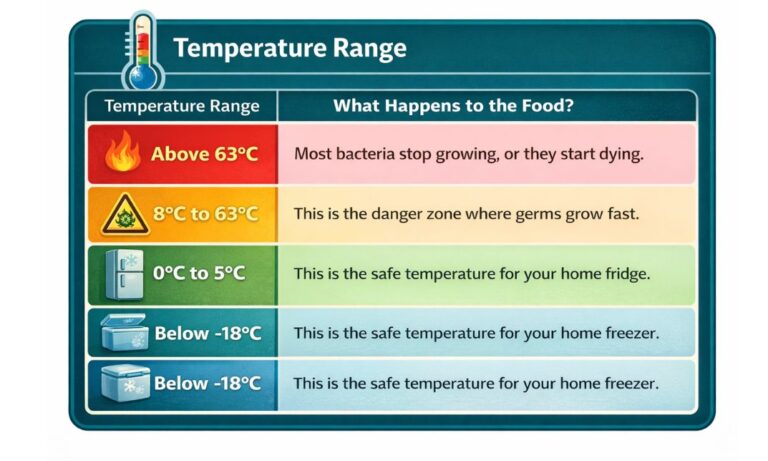
The danger zone is between 8°C and 63°C in the UK. This range is where bacteria grow the fastest every single hour. For example, one germ can become millions in just a few hours. Because of this, you should keep food out of this range. Cold food must stay below 8°C to remain very fresh. Meanwhile, hot food should stay above 63°C before you eat it. Knowing these numbers will help you protect your friends and family.
How Do Bacteria Grow When Food is Too Warm?
Bacteria grow quickly when food becomes too warm and stays out for too long. Moreover, warm conditions give bacteria the perfect chance to multiply fast. Because bacteria need food, moisture, and heat, they spread easily on cooked meals.
However, you cannot see or smell bacteria on food. Food may look safe, but still be dangerous to eat. Furthermore, bacteria can double in number every twenty minutes in warm conditions. Because of this, food can become unsafe very quickly.
Moreover, leaving food out at room temperature increases the risk of food poisoning. Always store food properly after cooking or serving. Also, cool leftovers quickly and keep them in a safe place.
Why Do We Need To Know About What are the Food Danger Zone Temperatures?
Knowing the food danger zone temperatures helps keep your meals safe to eat. Moreover, it prevents harmful bacteria from growing on food. Because bacteria grow fast at the wrong temperatures, food can become unsafe quickly.
However, many people do not monitor food temperatures regularly. Learning these limits helps you avoid food poisoning. Furthermore, it helps you store, cook, and reheat food correctly every day. Safe habits protect your family and improve kitchen safety.
Understanding the danger zone also helps you plan meals better and reduce waste. You can prolong the freshness of food. It also builds confidence in your cooking skills. By following simple safety rules, you protect your health and save money. Knowing these temperatures is essential for every home cook.
Which Foods Are the Most Dangerous for Our Families?
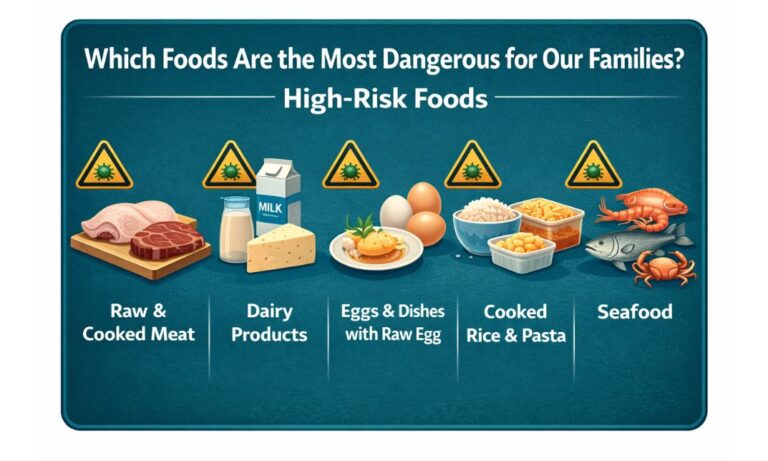
Some foods are more likely to grow germs than other types. Specifically, these are called high-risk foods because they have lots of protein. You must be cautious with these items in your kitchen.
- Raw and cooked meat like chicken, beef, and tasty lamb.
- Dairy products such as fresh milk, cream, and soft cheese.
- Fresh eggs and any dishes made with raw egg yolks.
- Cooked rice and pasta that you want to save later.
- Seafood like prawns, fish, and small crabs from the sea.
How Should We Store Food in the Fridge Correctly?
Storing food correctly in the fridge keeps it fresh and safe to eat. Moreover, it slows bacterial growth and prevents food poisoning. Because cold temperatures protect food, proper storage is crucial.
However, many people place food in the wrong fridge areas. Therefore, keep raw meat on the bottom shelf to stop leaks. Also, store ready-to-eat food on higher shelves away from raw items. Because cross-contamination spreads germs, this step is essential.
Moreover, keep your fridge temperature between 0°C and 5°C at all times. Also, do not overload the fridge, as air needs space to circulate. Because warm air often enters, keep the door closed as much as possible.
What Is the Best Way to Cook Hot Food?
Cooking hot food correctly keeps it safe and healthy to eat. Moreover, it stops bacteria from growing quickly. Because undercooked food can make people sick, careful cooking is essential. Also, using the right temperature ensures food tastes better.
However, many people cook food too slowly or at low heat. Therefore, checking the temperature with a food thermometer is essential. Hot food should reach at least 63°C and stay above this temperature until served. Because some areas cook more slowly, this prevents cold spots where bacteria grow. Moreover, serving food immediately after cooking keeps it safe. Keeping hot food above 63°C during serving is also crucial.
How Can We Cool Down Leftovers Very Quickly?
Cooling leftovers quickly keeps food safe and prevents bacteria from growing fast. Moreover, it reduces the risk of food poisoning. Because bacteria multiply quickly between 8°C and 63°C (46°F to 145°F), timing matters a lot.
However, many people leave large portions to cool slowly. Therefore, divide food into smaller portions to help it cool faster. Furthermore, use shallow containers to allow heat to escape quickly. Because hot food holds heat longer in deep containers, shallow dishes are safer.
Another method is using an ice bath. Place containers in a bowl of ice water and stir occasionally. Also, move food to the fridge or freezer once it is slightly cooled. However, avoid covering tightly at first to let heat escape. By following these steps, leftovers cool safely and stay healthy for later meals.
What Is the Two-Hour Rule for Party Food?
When you have a party, food often sits on a table. Because of this, you must follow the simple two-hour rule. You should not leave food out for more than two hours. After two hours, the bacteria levels might be far too high. Either put the food back in the fridge or bin it.
Safety is always more important than saving a little bit of food. This rule keeps your party guests feeling happy and very healthy.
How Should We Reheat Food the Next Day?
Reheating food correctly keeps it safe and prevents bacteria from growing quickly. Moreover, it ensures meals taste good. Because leftover food can sit in the danger zone, careful reheating is essential.
However, many people reheat food too slowly or unevenly. Therefore, always heat food until it is piping hot all the way through. Also, use a food thermometer if possible to check the temperature. Because some microwaves cook unevenly, stir food occasionally while reheating. Moreover, avoid reheating food more than once to reduce the risk of contamination.
Additionally, cover food loosely to keep moisture in and prevent drying out. Hot food should reach at least 75°C before serving. Furthermore, avoid leaving food out for long periods after reheating. By following these steps, leftover meals stay safe, healthy, and enjoyable the next day.
How Do We Use a Food Thermometer Properly?
Using a food thermometer helps cook food safely and prevents harmful bacteria from growing quickly. Moreover, it ensures meals are hot and tasty. Because bacteria grow fast in the danger zone, checking the temperature is essential.
- Put the thermometer in the thickest area of the casseroles, fish, or meat.
- Avoid touching bones, fat, or container sides to get accurate readings.
- Stir food in microwaves or ovens to heat evenly.
- Before and after using the thermometer, clean it with hot, soapy water.
- Make sure hot food reaches at least 63°C and leftovers 75°C.
Is Frozen Food Safe from the Danger Zone?
Freezing food stops bacteria from growing while it stays frozen. However, freezing does not kill germs completely. Therefore, you must thaw food safely in the fridge. Also, never leave frozen meat on the counter to defrost. Because the outside warms faster than the middle, bacteria can grow quickly.
Moreover, use frozen food before the expiry date for safety. Always cook thawed food to the correct temperature before eating. By handling frozen food carefully, you prevent illness and keep meals safe and healthy for your family.
How Can We Teach Children About Food Safety?
Teaching children about food safety helps keep them healthy and prevents food poisoning. Moreover, it builds good habits early. Because children learn by doing, practical activities work best.
However, many children do not understand kitchen risks. Therefore, explain the danger zone in simple words. Also, show them how to wash their hands before cooking or eating. Because germs spread easily, handwashing is very important.
Additionally, demonstrate how to store food safely in the fridge or freezer. Also, teach children to handle knives and cutting boards safely to stop germs from spreading. Moreover, encourage them to check food temperatures with a thermometer.
How Do UK Seasons Affect Food Safety?
UK seasons affect food safety because temperature and humidity change how fast bacteria grow. Moreover, hot summer weather increases the risk of food spoilage. However, cold winter weather slows bacterial growth, keeping some foods safer for longer.
Therefore, in summer, always store perishable food below 8°C until serving. Also, avoid leaving food out at picnics or outdoor events for more than two hours. Because heat speeds bacterial growth, cool leftovers quickly using shallow containers or ice baths.
Additionally, check expiry dates carefully in warm weather. Moreover, clean kitchen surfaces and utensils regularly to prevent contamination. Also, monitor indoor heating in winter, as it can affect fridge efficiency.
Final Thoughts
Knowing what are the food danger zone temperatures is the first step to keeping your family safe. Keep cold food below 8°C and hot food above 63°C to prevent bacterial growth. Moreover, wash your hands often and clean kitchen surfaces regularly. Also, store leftovers correctly and reheat food properly. By following these simple steps, you protect your health, enjoy safe meals, and build good kitchen habits every day in your UK home.
FAQs
1. What is the food danger zone temperature in the UK?
- The danger zone is between 8°C and 63°C (46°F–145°F), where bacteria grow fast.
2. Is food safe at 42 degrees?
- No, 42°C (108°F) is inside the danger zone, so bacteria can multiply quickly.
3. What is the 2 2 2 rule for leftovers?
- Cool food within 2 hours, store in the fridge for 2 days, and reheat to 75°C.
4. Where do bacteria grow the least?
- Bacteria grow the least in very cold food below 8°C or frozen below -18°C.
5. Is minus 22 too cold for a freezer?
- No, -22°C (-8°F) is safe and keeps food frozen for a long time.
6. What temperature can you refuse to work in a kitchen in the UK?
- You can refuse if it is dangerously hot or cold, affecting safety or health.
7. What two foods never expire?
- Honey and dried salt can last indefinitely if stored properly.
8. What is the 4 hour rule for food safety?
- Food should be eaten or cooled within 4 hours to prevent bacterial growth.
9. Is my fridge ok at 40 degrees?
- Yes, 40°F (4°C) is safe for your fridge to keep food fresh.