
A trainee dental nurse works in a dental clinic while studying for an approved course. You can earn money, learn new skills, and train for GDC registration at the same time. It’s a great choice if you enjoy helping people and want a job with real purpose. Even if you have no experience, you can still start. You just need to be friendly, patient, and willing to learn. Many dental clinics are happy to train new people who show interest and care.
In this simple guide, we’ll explain what this role involves. We’ll also look at how to start, what training you need, what checks are required, how much you can earn, and what jobs you can move into later. By the end, you’ll clearly understand how to begin your journey in dental care.
What Is a Trainee Dental Nurse?
In this role, you work and learn at the same time. You join a dental team and help the dentist during treatments. You also study an approved dental nursing course while you work. This helps you learn both theory and hands-on skills.
At first, you work under supervision until you finish your course and register with the GDC. During this time, you learn how to care for patients, clean instruments, and keep the clinic safe. Step by step, you build confidence and gain experience. In the end, you’ll be ready to begin a rewarding career in dental nursing.
What Does a Trainee Dental Nurse Do in a Dental Practice?
Each day is busy but full of learning in a dental clinic. You start by preparing for the surgery before patients arrive. Then, you help the dentist during treatments by passing tools and keeping patients comfortable.
You also help with infection control. This means cleaning instruments, keeping the room tidy, and following safety rules carefully. As you learn more, you mix dental materials and handle X-rays under supervision. You also help keep patient records up to date and make sure stock and equipment are ready for use.
Most importantly, you support patients. You smile, reassure them, and make them feel calm during their visit. Step by step, you grow more confident and become an important part of the dental team.
Do You Need Qualifications to Start as a Trainee Dental Nurse?
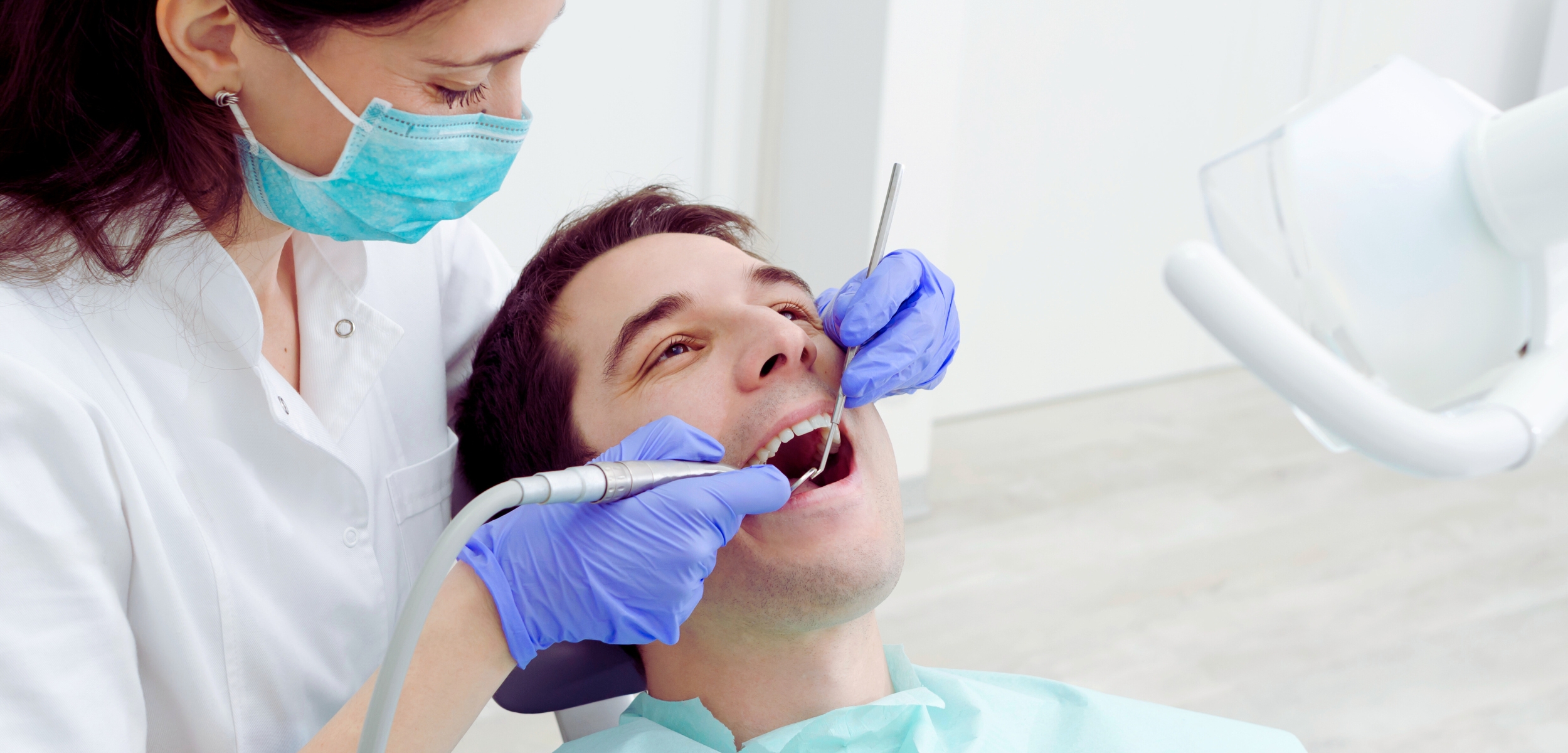
You don’t need a long list of qualifications to begin, which makes this role easy to step into. Most dental clinics simply ask for:
- GCSEs in English and Maths, or an equivalent qualification.
- Good communication skills, since you’ll speak with patients every day.
- A friendly and caring attitude, because helping people feel calm is a big part of the job.
However, there’s one important step you must take. Soon after starting, you need to enrol on a GDC-approved dental nursing course. This course helps you gain the right skills and knowledge for your role.
The good news is that many dental practices will support you with your studies. They might help you find the right course or even give you time to train. So, as you work and learn, you’ll keep moving forward toward becoming a fully qualified dental nurse.
Can You Become a Trainee Dental Nurse with No Experience?
Yes, you can! You don’t need any experience to start as a trainee dental nurse. Many people begin with no clinical background at all. What really matters is your attitude — being friendly, calm, and willing to learn.
However, having some experience with people can help. For example, if you’ve worked in a shop, café, or customer service job, you already have great communication skills. Those skills are very useful in a dental clinic too.
If you want to make your CV stronger, you can:
- Do some shadowing or observation in a dental practice.
- Take a short dental or healthcare admin course.
- Learn basic first aid.
These small steps show your interest and make you stand out. But remember, even without any of these, you can still get started. Many dental clinics love to train people who show care and enthusiasm from day one.
What Training and Courses Do Trainee Dental Nurses Take?
When you start this job, you need to study a course approved by the GDC. There are a few ways to do this. Each course helps you learn theory and real-world skills together. Here are the main options:
- NEBDN National Diploma in Dental Nursing – You can study this at college or with a training provider. It is a popular choice and fits well with work.
- Level 3 Diploma in Dental Nursing – This course, from City & Guilds or NCFE, teaches you about infection control, patient care, and teamwork.
- Dental Nurse Apprenticeship (Level 3) – This lets you earn while you learn. You work in a clinic and study at the same time.
All these courses include lessons, work experience, and final tests. These may include written exams, practical checks, or an End Point Assessment (EPA). Step by step, you learn everything you need to do your job with confidence.
Do You Earn While You Learn as a Trainee Dental Nurse?
Yes, you do. When you start this job, you work for a dental clinic and earn money at the same time. It’s a good way to learn without paying full study costs.
If you join as an apprentice, you get at least the legal minimum wage for apprentices. If you are not an apprentice, you earn the National Minimum Wage or National Living Wage, based on your age. Many clinics pay more than the minimum rate.
Your pay can also go up as you learn new skills. When you reach new goals or finish your course, you may get a raise. Step by step, you earn more while gaining skills and experience in a caring career.
How Long Does It Take to Qualify as a Dental Nurse?

It doesn’t take too long to train, but you do need time and effort. Most people finish in about 12 to 24 months. The time can change for different reasons, such as:
- The type of course you choose, like college, private training, or an apprenticeship.
- The training provider’s plan which may be faster or slower.
- Any past learning or experience that helps you move quickly.
- How fast do you finish your work tasks and final tests?
If you study part-time or through an apprenticeship, it may take a bit longer. But that’s okay, because you’re learning, earning, and gaining real experience at the same time.
Everyone learns at a different speed. What matters most is that you keep going, step by step. In the end, you’ll be proud to qualify and start your new career in dental care.
What Skills Help You Succeed as a Trainee Dental Nurse?
To do well in this job, you need the right mix of people skills and practical skills. Working in a dental clinic means every day is different, so it helps to stay calm, friendly, and focused. Let’s look at the most useful skills in detail.
- Good communication: You talk to patients, dentists, and other staff every day. Clear and kind communication helps everyone work well together. It also helps patients feel safe and cared for.
- Empathy and kindness: Many people feel nervous about dental visits. A warm smile, gentle words and patience can make a big difference.
- Attention to detail: Small mistakes can cause big problems. You must listen carefully, follow the steps, and check your work to keep everything right.
- Teamwork: You’re never working alone. You support the dentist, the hygienist, and other staff. When everyone works together, the day runs smoothly.
- Good hand control (manual dexterity): You use small tools in tight spaces. Steady hands and careful movements help keep patients safe and comfortable.
- Time-keeping: Being on time and managing tasks well keeps the clinic running smoothly. Patients and staff depend on you to stay organised.
- Basic computer and record skills: You’ll update patient details and appointment notes. Simple computer knowledge helps you do this quickly and correctly.
- Infection control awareness: Cleanliness is key in dental care. You must follow hygiene rules, clean tools, and keep the surgery safe for everyone.
These skills may sound like a lot, but you’ll learn them step by step. With time and practice, you’ll feel more.
Do You Need a DBS Check or Vaccinations for Dental Nursing?
Yes, you do. Working in dental care means looking after people’s health, so safety comes first. Before you start, you’ll need a few important checks to make sure you’re ready for the role.
First, you’ll need an enhanced DBS check. This shows that you are safe to work with patients, including children and vulnerable adults. Most dental practices help you with this process once you’re offered the job.
Next, you’ll need occupational health clearance. This means a doctor or nurse checks that you’re fit to work in a clinical setting. You’ll also need proof of certain vaccinations. These usually include:
- Hepatitis B
- MMR (measles, mumps, and rubella)
- Varicella (chickenpox)
- TB, if your local policy requires it
Along with this, you’ll get fit testing for masks and training in infection control and sharps safety. These steps help protect both you and your patients. It may sound like a lot, but don’t worry — your dental practice or course provider usually guides you through each step. Once everything is done, you can start your training with confidence, knowing you’re fully prepared to work safely and professionally.
How Much Does a Trainee Dental Nurse Earn in the UK?
Pay can vary, but let’s keep it simple. As a trainee dental nurse, your earnings depend on where you work and how you’re hired. For example, some people start through an apprenticeship, while others are hired directly by a dental clinic. Pay can also change based on your location. For example:
- London and big cities often pay more because of higher living costs.
- Independent practices and large dental chains may offer slightly different rates.
The good news is that your pay usually goes up once you finish your course and get GDC registration. Many clinics reward progress, so the more skills you gain, the more you can earn. Always check the job advert to see the pay rate before you apply. That way, you’ll know exactly what to expect and can choose the best option for you.
Where Can You Find Trainee Dental Nurse Jobs?
Finding a trainee dental nurse job can feel exciting, but also be a bit tricky at first. But don’t worry — there are many good places to look. With a little time and effort, you can find a job that suits you.
Here are some simple ways to start:
- NHS Jobs:
Visit the NHS Jobs website. Many dental practices and hospitals post trainee dental nurse jobs there. It’s safe and easy to use. - Big dental companies:
Large dental groups like Bupa Dental Care or MyDentist often hire trainees. Check their career pages on their websites. They also help you train while you work. - Job sites:
Try popular job websites like Indeed, Totaljobs, or Reed. Search using words like “trainee dental nurse”, “dental nurse apprenticeship”, or “dental receptionist to nurse”. You’ll see many entry-level jobs. - Local colleges or training centres:
Colleges that teach dental nursing sometimes share job adverts from nearby practices. So, check their websites or notice boards often. - LinkedIn:
You can also look at LinkedIn. Follow dental practices and training centres to get job updates.
It’s a good idea to check for new jobs every few days because roles can fill fast.
And remember — everyone starts somewhere. Even if you don’t get the first job you apply for, keep trying. Each step brings you closer to your dream career in dental nursing.
What Are the Next Steps After You Qualify (GDC Registration, etc.)?
Once you finish your training and pass all your exams, it’s time to take the next big step. After all your hard work, you can now move forward and build your dental career with confidence.
Here’s what to do next:
- Apply for GDC registration:
First, you need to register with the General Dental Council (GDC). This makes you officially recognised as a qualified dental nurse in the UK. Once you’re on the register, you can work without supervision. - Arrange dental indemnity:
Next, make sure you have professional indemnity. This is a type of insurance that protects you if something goes wrong while working. Most employers will ask for proof of this before you start. - Start your Enhanced CPD:
Then, you’ll begin Continuing Professional Development (CPD). This means you keep learning even after you qualify. You’ll need to make a simple CPD plan, record your progress, and complete the required hours each year. If you want to grow your skills and meet your CPD goals easily, you can explore flexible online dental courses at the School of Health Care. It’s a great way to stay confident and up to date in your career. - Add more skills:
Once you’re confident in your role, you can study short courses to boost your career. For example, you might learn:
- Dental radiography (taking X-rays)
- Impression taking for dental moulds
- Fluoride application for prevention
- Sedation assisting to support nervous patients
Each new skill makes you more valuable and opens more job opportunities. So, after you qualify, don’t stop there. Keep learning, stay curious, and continue to grow. Every step you take helps you become an even better dental nurse.
Is Dental Nursing a Good Career Choice?
Yes, dental nursing is a great career choice for many people. It’s perfect if you enjoy helping others and like working with your hands. Every day is different, and you get to be part of a caring team that helps people feel better about their smiles.
One of the best things about dental nursing is how rewarding it feels. You see patients come in nervous and leave with confidence — and you know you played a part in that. It’s also a very steady job, as dental care is always needed everywhere in the UK.
Another big plus is the chance to grow and specialise. Once you gain experience, you can move into many different areas, such as:
- Practice management, where you help run the dental clinic.
- Treatment coordination, helping patients plan their care.
- Radiography, taking dental X-rays.
- Oral health education teaches people how to care for their teeth.
- Dental hygiene or therapy with more study and training.
So, if you like people, enjoy learning new skills, and want a secure future, dental nursing is definitely worth it. It’s not just a job — it’s a career where you can make a real difference every single day.
Final Thoughts: How to Start Your Trainee Dental Nurse Journey
Want to work in a caring and professional role? The Dental Nurse Course at the School of Health Care is the perfect place to begin.
You’ll learn real dental skills while gaining hands-on experience in a practice. This helps you grow confidence and earn while you learn. The course follows GDC-approved training, covering patient care, infection control, and dental charting. Our tutors guide you at every step so you never feel lost. After completing the course, you can register with the GDC and start your career as a qualified dental nurse.
Join the School of Health Care today and take your first step towards a bright and rewarding future in dental nursing.
FAQ’s
What qualifications do I need to be a trainee dental nurse?
To be a trainee dental nurse, you need to get a trainee job at a dental practice. Then, you must study for a Level 3 Diploma in Dental Nursing. You can find these jobs on NHS Jobs or local job sites.
Is a trainee dental nurse hard?
Being a trainee dental nurse can be busy and challenging. Some days are fast and tiring, but you learn a lot every day.
What band is a trainee dental nurse?
A trainee dental nurse usually starts at Band 3. With experience or extra skills, you can move up to Band 5.
Are dental nurses in demand?
Yes, dental nurses are in demand. Many NHS and private clinics need more staff. More people now visit dentists regularly.
Is dental nursing a stressful job?
Dental nursing can be stressful at times. It can be tiring and busy, which may cause pressure or burnout for some.

Dental Nurse Course
Course Description :
- Certificate: Yes(Free)
- Accreditation: CPD Accredited
- Access: Lifetime