
Bricklayers play an important role in building homes, walls, shops and other structures. They lay bricks and blocks carefully to create strong and safe buildings. If you enjoy practical work, this career can feel rewarding. So, how much do bricklayers get paid in the UK? Bricklayers typically earn between £25,000 and £45,000 per year. Full-time median pay sits around £33,030 to £40,150 depending on the region and data source. In the United States, bricklayers earn around $53,702 to $60,502 a year on average.
However, your earnings can change a lot with experience, location, and the type of work you choose. For example, experienced bricklayers often earn more than beginners. Also, self-employed bricklayers can take on price work and set their own rates. Therefore, your work choices can make a real difference to your income.
How Much Do Bricklayers Get Paid in the UK?
In the UK, bricklayers usually earn between £30,000 and £45,000 a year. However, pay can change based on experience, location, and the type of work. New bricklayers usually earn less. Apprentices can earn around £11,000 to £21,000 a year. After qualifying, they may earn around £30,000 to £38,000. With more experience, this can rise to £38,000 to £45,000 or more.
Hourly pay also varies. Employed bricklayers often earn around £16.54 to £19.28 per hour. However, self-employed bricklayers may charge around £32 to £40 per hour for home jobs. Daily rates can range from £240 to £320. Skilled self-employed bricklayers may charge more for large or difficult jobs. Some bricklayers also choose to price work. This means they get paid for the amount of work they complete. Rates can range from 50p to £1 per brick. A skilled bricklayer may lay around 400 to 600 bricks a day. So, faster workers may earn more through piecework.
How Much Do Bricklayers Earn Per Hour?
Bricklayers can earn different hourly rates in the UK. Your pay depends on your skills, experience, location, and type of job.
- Apprentices: £6.30 to £10 per hour. This gives you a chance to learn while earning money.
- Newly qualified: £18 to £22 per hour. Your pay can rise as you gain more skills.
- Employed bricklayers: £19 to £24 per hour. This can give you a steady income and regular work.
- Self-employed bricklayers: £32.50 to £55 per hour. You can set your own rates, but you also pay for your business costs.
- Limited company owners: £40 to £60 or more per hour. Larger jobs and strong experience can help you charge higher rates.
- London and South East: Some self-employed bricklayers may charge £50 to £70 per hour. However, rates can vary between jobs.
- US bricklayers: Around $26 to $29 per hour on average.
Your yearly salary can also change with your hourly rate. For example, an employed bricklayer earning around £19 to £24 per hour could earn a good full-time salary. However, self-employed income can change from month to month. Remember, self-employed workers must cover costs such as tools, travel, insurance, and tax. So, a higher hourly rate does not always mean higher take-home pay.
How Much Do Bricklayers Earn Per Day?
In the UK, an experienced bricklayer can earn around £240 to £320 a day. However, pay can change based on your skills, location, and type of work.
- Apprentice: £50 to £80 a day. You earn less while you learn.
- Newly qualified: £145 to £176 a day. Your pay can grow as you gain skills.
- Employed bricklayer: £150 to £200 a day. This includes PAYE and agency work.
- Self-employed bricklayer: £304 to £440 a day. You can charge more when you have good skills.
- Limited company owner: £320 to £480 a day. Bigger jobs can help you earn more.
Your speed can also affect your daily pay. A skilled bricklayer may finish more work in one day. So, they may earn more. Location can also affect your rate. Bricklayers in London and the South East may charge more. However, self-employed bricklayers also have costs. These can include tools, travel, insurance, and tax. Overall, bricklaying can offer good daily pay. With more skills and experience, you can increase your earnings.
How Much Do Bricklayers Get Paid As a Beginner?
Starting as a bricklayer can feel exciting. However, your first pay may be lower while you learn the trade. Apprentices may earn around £11,000 to £21,000 a year. Trainee bricklayers can also earn money while learning at work.
After you qualify, your pay can improve. Newly qualified bricklayers may earn around £30,000 to £38,000 a year. Your practical skills can also help you find better jobs. With more training and experience, you can slowly build your income. So, do not worry if your starting wage feels low. Every skilled bricklayer has to start somewhere. As you learn more and gain confidence, better pay can follow.
How Much Do Experienced Bricklayers Get Paid?
Experienced bricklayers can earn much more than beginners. They have strong skills and can handle harder jobs with confidence. Many experienced bricklayers earn around £38,000 to £45,000 or more a year.
Skilled bricklayers can also earn more from difficult or specialist work. Self-employed bricklayers may set their own rates and take on bigger jobs. Your work quality can also make a big difference. If customers like your work, they may recommend you to others. Over time, a good reputation can help you win more work. You can also charge more when you have strong skills and plenty of experience. This can make bricklaying a rewarding career.
Do Self-Employed Bricklayers Earn More?
Self-employed bricklayers can earn more than employed workers. However, their income can change from month to month. They can set their own rates and choose the jobs they want. For example, a skilled bricklayer may charge around £32.50 to £55 per hour. They may charge more for large or difficult jobs. A good customer base can also bring regular work and better earnings.
However, self-employed workers have business costs too. They may need to pay for tools, transport, insurance, and tax. They also need to find their own jobs. So, their income may not stay the same every month.
Which Factors Affect a Bricklayer’s Pay?
Many things can affect a bricklayer’s pay. These include:
- Experience: Skilled bricklayers can often earn more.
- Location: Some areas offer higher pay than others.
- Qualifications: Good training can help you find better jobs.
- Type of work: Difficult jobs may offer higher pay.
- Employment type: Self-employed workers can set their own rates.
- Specialist skills: Extra skills can help you earn more.
- Project size: Large projects may offer better pay.
- Overtime: Extra hours can increase your income.
- Self-employment: You can choose your rates and jobs.
- Demand: High demand can lead to more work.
Do Bricklayers Earn More in London?
Bricklayers in London may earn more than workers in some other parts of the UK. London has many building projects and a strong need for skilled workers. As a result, some bricklayers can charge higher rates.
However, not every London bricklayer earns more. Your skills, experience, job type, and work status still matter. For example, a skilled self-employed bricklayer may charge more than an employed worker. London also has higher living costs. Rent, travel, and other daily costs can take a large part of your income. Therefore, a higher wage does not always mean more money in your pocket.
What Qualifications Help You Become a Bricklayer?
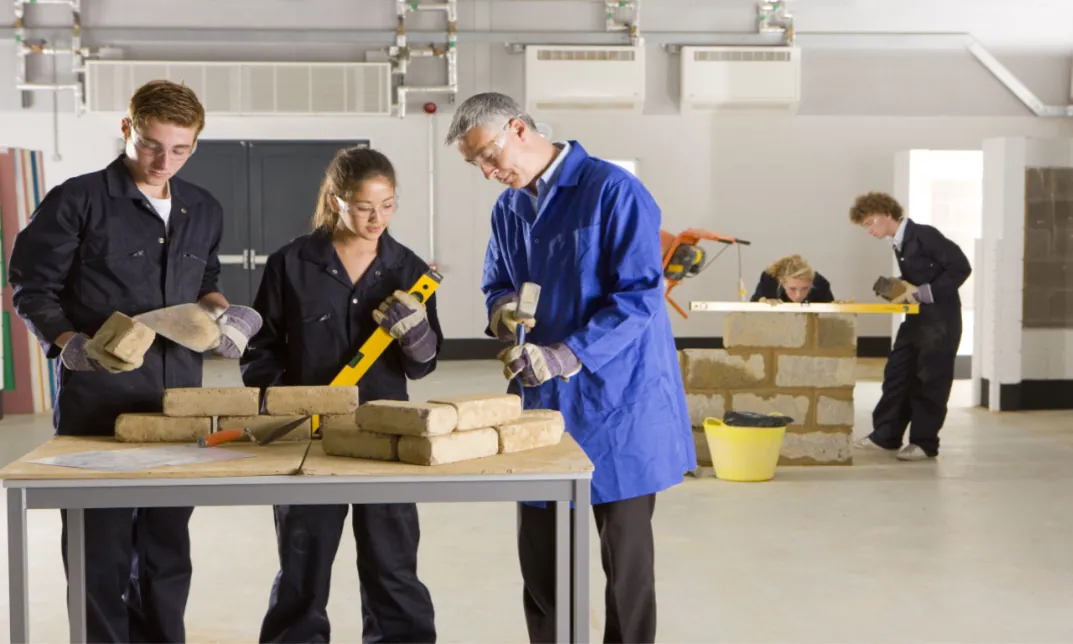
You do not need a university degree to become a bricklayer. There are a few simple ways to enter this trade. You can study at college, start an apprenticeship, or learn through work.
Common routes include:
- Level 2 qualification: You can learn the main skills needed to start working as a bricklayer.
- Level 3 qualification: This helps you build stronger skills and take on harder work.
- Apprenticeship: You learn on the job while earning money.
- Work experience: Real building work helps you improve your skills and confidence.
You also need some useful practical skills. For example, you should know how to measure areas correctly. You should also learn how to read simple building plans and follow instructions.
How Can Bricklayers Increase Their Earnings?
Bricklayers can increase their earnings as they gain more skills and experience. You do not have to stay on the same pay forever. With time and effort, you can find better jobs and earn more. Gaining more experience can help you take on harder work. You can also learn specialist brickwork skills. These skills can help you stand out and may lead to higher pay. Taking on larger projects can also give you the chance to earn more.
A good reputation can make a big difference too. When customers like your work, they may recommend you to others. This can help you find regular work and build a strong customer base. You can also think about becoming self-employed. Working for yourself lets you choose your jobs and set your own rates. However, you must also manage costs and find your own customers.
Final Thoughts
Bricklaying can be a good career if you enjoy hands-on work. So, how much do bricklayers get paid? Your pay can grow as you gain more skills and experience.
Beginners often earn less, while skilled bricklayers can earn much more. Your location, job type and work choices can also affect your pay. Self-employment may increase your earning potential, but you also need to cover your own costs.
With good training, hard work and regular practice, you can build a strong career. Over time, you may take on larger projects and improve your earnings.
If you want to build your bricklaying knowledge first, explore the Bricklaying Training Course from the School of Health Care. It can help you understand key bricklaying skills, tools and practical work before taking your next step.
FAQs
1. Can a bricklayer lay 1000 bricks a day?
Some skilled bricklayers can lay around 1,000 bricks a day. However, the work and weather may slow them down.
2. Do bricklayers get paid 1 pound per brick?
Some workers can make around £1 per brick when they do price work. However, pay can differ by area and job.
3. How much are apprentice bricklayers paid?
Apprentice bricklayers may earn around £11,000 to £21,000 a year. Their pay can rise as they gain skills.
4. Is bricklaying a dead-end job?
No, bricklaying does not have to be a dead-end job. You can gain skills, earn more, become self-employed, or move into other building jobs.
5. How long does it take a bricklayer to lay 1000 bricks?
A skilled bricklayer may lay around 400 to 600 bricks a day. So, 1,000 bricks may take about two days.
6. Who is the world’s fastest bricklayer?
There is no single official answer. Bricklaying speed records can vary based on the rules and type of work.
Bricklaying Training Course
Course Description :
- Certificate: Yes(Free)
- Accreditation: CPD Accredited
- Access: Lifetime