
Stress, busy routines, and everyday challenges can leave your body feeling tired and overwhelmed. Learning about the 10 benefits of reflexology can help you understand how this gentle therapy may support relaxation and overall wellbeing. Reflexology is a non-invasive holistic treatment that uses pressure on specific points of the feet, hands and ears, which are believed to connect with different organs and body systems. Many people choose reflexology to help reduce stress, improve comfort, and create a sense of balance in their daily lives.
In this guide, we will explore how reflexology works and the key ways it may benefit your body and mind.
What is Reflexology And How Does It Work?
Have you ever had a foot massage and felt relaxed after it? Reflexology is a gentle therapy that uses pressure on certain points of the feet, hands, and ears. These points are called reflex points and they connect with different parts of the body.
Foot reflexology is the most common type. During a session, a reflexologist uses their hands to apply gentle pressure to different areas of your feet. Many people believe this can help the body relax and feel balanced.
This pressure point massage may help reduce stress, ease tension, and create a calm feeling. A trained reflexologist knows how to use the right pressure for a comfortable experience.
Reflexology is a simple therapy that helps your body and mind relax. It does not replace medical care, but many people enjoy it as a way to relax and support wellbeing.
What are the 10 Benefits of Reflexology?
Reflexology can be a relaxing and enjoyable way to support your body and mind. Many people choose this therapy to feel calmer, reduce stress, and improve their overall wellbeing.
Here are the 10 benefits of reflexology that people often look for:
- Reduces Stress And Anxiety
- Improves Sleep Quality
- Helps With Pain Relief
- Supports Better Blood Flow
- Relaxes The Body And Mind
- Supports Healthy Digestion
- Boosts Energy Levels
- Supports Overall Health
- Helps Hormonal Balance
- Improves Overall Wellbeing
These are some common ways reflexology may help your body and mind. In the next sections, we will explore each benefit in more detail and understand how reflexology can support your daily wellness routine.
1. Can Reflexology Help Reduce Stress And Anxiety?
Yes, reflexology may help you feel calm and relaxed. Daily stress can make your body and mind feel tired. Reflexology gives you a chance to slow down, rest, and enjoy a peaceful moment. This stress relief therapy uses gentle pressure on certain points of your feet, hands, or ears. It may help release tension and create a feeling of comfort.
Many people enjoy reflexology because it feels soothing and relaxing. Like a relaxation massage, it may help you feel refreshed and support your mental wellbeing. While reflexology does not treat stress or anxiety, it can be a helpful way to relax and take care of yourself. It allows you to spend quiet time focusing on your body and mind.
2. Can Reflexology Improve Sleep Quality?
Yes, reflexology may help you relax and sleep better. A busy day can make your body tired and your mind feel busy. Reflexology can help you slow down and feel calm before bedtime.
This therapy uses gentle pressure on points of your feet, hands, or ears. Many people enjoy it because it helps them feel relaxed and comfortable. A relaxing foot massage can also create a peaceful feeling and prepare your body for rest.
Reflexology may provide sleep support for people who find it hard to relax at night. It can help create a calming routine and may support better sleep habits.
While reflexology does not cure sleep problems, many people use it as a simple way to relax and support insomnia relief. It can be a soothing part of your self-care routine.
3. Can Reflexology Help With Pain Relief?
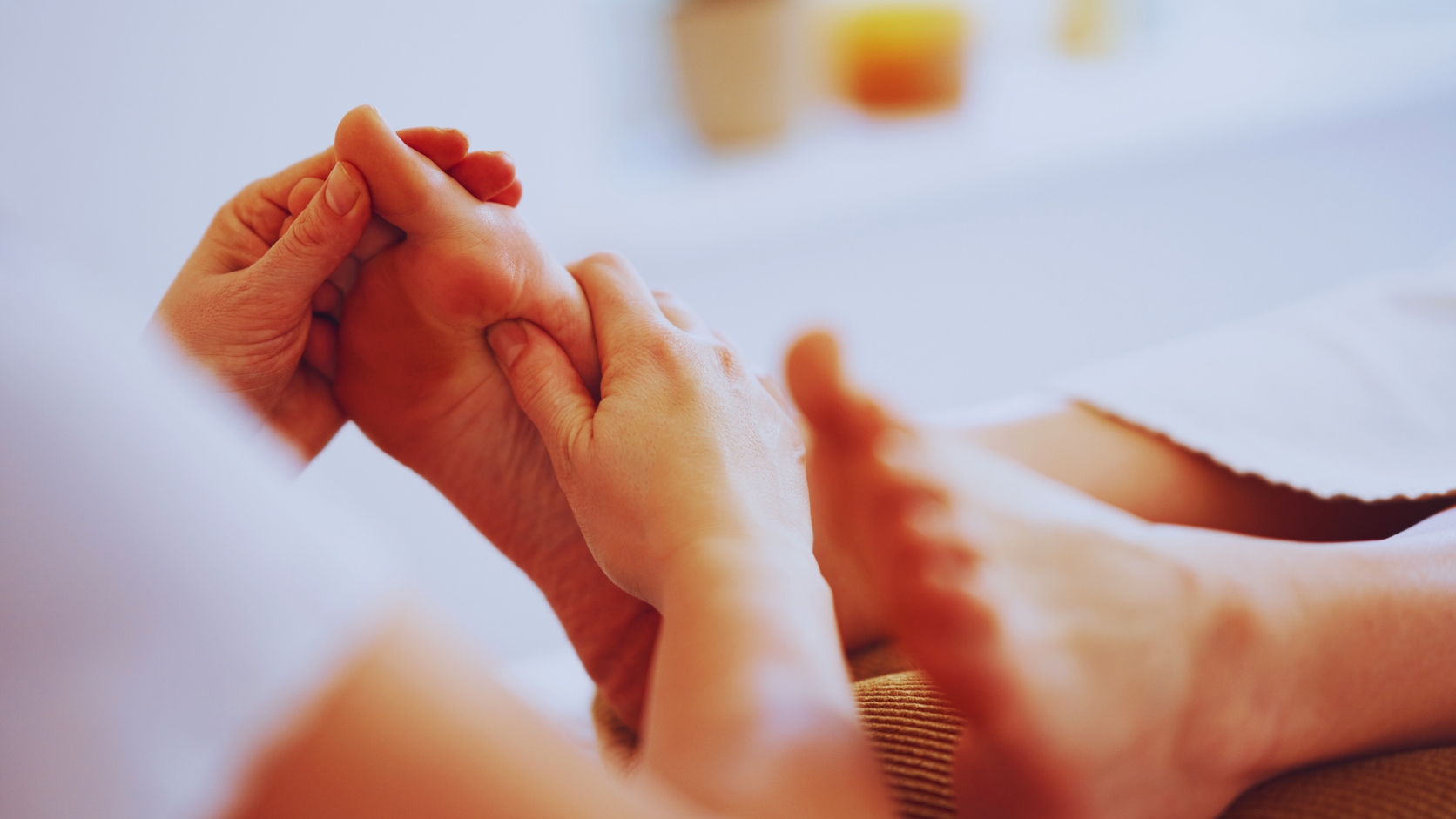
Yes, reflexology may help you feel more relaxed and comfortable. Many people use it as a gentle way to support pain management and reduce body tension.
This therapy gently presses your feet, hands, or ears. It may help relax your body and ease discomfort. Some common areas where people look for support include:
- Headaches: May help reduce tension and promote relaxation.
- Back Pain: May support comfort by helping the body relax.
- Muscle Tension: May help release tight and tired muscles.
Reflexology can also support natural pain relief and improve body relaxation. While it does not replace medical care, many people enjoy it as a calming therapy to support their overall wellbeing.
4. Can Reflexology Improve Blood Circulation?
Yes, reflexology may help support healthy blood circulation. This treatment gently presses points on the feet, hands or ears. These movements may help your body relax and encourage better blood flow.
During a foot reflexology session, a reflexologist applies pressure to different areas of your feet. Many people find this process calming and refreshing. When your body feels relaxed, it may help support normal circulation. Healthy blood flow helps carry oxygen and nutrients around your body. It also helps your muscles and tissues get the support they need to work properly.
While reflexology does not cure circulation problems, many people enjoy it as a relaxing wellness therapy. It can be a simple way to care for your body, reduce tension and enjoy a peaceful self-care experience.
5. Can Reflexology Boost Relaxation And Reduce Tension?
Yes, reflexology may help you feel calm and relaxed. Stress and busy days can make your body feel tired and tense. Reflexology gives you time to slow down and enjoy a peaceful break. During a session, a reflexologist uses gentle pressure on certain points of your feet, hands, or ears. This may help relax your muscles and reduce body tension.
Many people feel calm and refreshed after reflexology. It can help you feel more comfortable and give your mind a chance to rest. Reflexology is a simple way to relax your body and mind. It can be a helpful part of your self-care routine when you need some quiet time.
6. Can Reflexology Support Better Digestion?
Yes, some people use reflexology to support better digestion and feel more comfortable. Stress can affect your body and may make you feel uncomfortable. Reflexology can help you relax and support your overall wellbeing.
During a session, a reflexologist uses gentle pressure on certain points of your feet, hands, or ears. Many people believe these points connect with different areas of the body, including areas linked to digestion.
7. Can Reflexology Improve Energy Levels?
Yes, reflexology may help you feel fresh and relaxed. Stress and busy days can make you feel tired and low on energy. During a reflexology session, your body gets time to rest and your mind gets a chance to slow down.
A reflexologist uses gentle pressure on points of your feet, hands or ears. This may help reduce tension and create a calm feeling. As a result, you may feel more refreshed and ready for your daily tasks.
Many people use reflexology as a wellness therapy to support their self-care routine. It may also give you a natural energy boost by helping you feel less stressed and more comfortable. Reflexology does not replace healthy habits, but it can be a simple way to relax and feel better.
8. Can Reflexology Support the Immune System?
Yes, reflexology may help support your overall health by helping you relax. Stress can make your body feel tired and affect your daily wellbeing.
During a reflexology session:
- Gentle pressure on your feet, hands, or ears may help your body relax.
- Relaxation can help you feel calm and refreshed.
- Less stress may support a healthier lifestyle.
- Self-care time can help you focus on your body and mind.
Nowadays, people are very concerned about their peace, and reflexology is a great way to help them relax. However, it does not treat health problems or replace medical care. It is a gentle therapy that may help you feel better and support your overall wellbeing.
9. Can Reflexology Help Balance Hormones?
Yes, some people use reflexology to support hormone balance and feel better. Hormone changes can sometimes affect your mood, energy and comfort. Reflexology may help your body relax and feel calm.
During a session, a reflexologist uses gentle pressure on certain points of your feet, hands, or ears. This relaxing touch may help reduce stress and create a peaceful feeling.
Some people use reflexology to support menstrual discomfort and manage stress. It can be a comforting therapy when your body feels tired or out of balance.
However, reflexology does not treat hormone problems or replace medical care. It is simply a relaxing way to support your wellbeing and help you feel more comfortable.
10. Can Reflexology Improve Overall Wellbeing?
Yes, reflexology may help support your overall wellbeing by relaxing your body and mind. It gives you time to slow down and enjoy a peaceful moment.
Reflexology may help with:
- Body relaxation – Helps your body feel calm and less tense.
- Mental relaxation – Gives your mind a chance to rest.
- Emotional balance – May help you feel calmer and more positive.
- Self-care – Gives you time to focus on yourself and your wellbeing.
Many people enjoy reflexology because it feels soothing and refreshing. However, it does not replace medical care. It is a simple way to relax, care for your body, and support a healthy lifestyle.
How Much Does Reflexology Cost in the UK?
Are you ready to try reflexology but want to know the cost first? In the UK, a standard 60-minute session usually runs between £35 and £60. However, your final price depends on the therapist’s experience, the location, and the treatment type.
Here is a quick price guide to help you budget:
- 30-Minute Taster: £25 to £35 — perfect if you just want a quick trial.
- 60-Minute Session: £45 to £75 — the most popular choice for a full treatment.
- 75–90 Minute Specialist Session: £75 to £104 — ideal for targeted maternity or luxury options.
You can save money by booking several sessions together. Many therapists offer lower prices for package deals. Always ask about the cost before you book.
Is Reflexology Safe for Everyone?
Reflexology is a fantastic way to melt away stress. Most people absolutely love it! However, it actually isn’t a one-size-fits-all treatment. Before you book a session, you need to check in with your body.
Are you pregnant, managing a health condition or undergoing medical treatments? If so, please chat with your doctor first. Your safety always comes first!
Next, always choose a certified, experienced reflexologist. A true professional knows exactly how to adjust their pressure so you stay safe and comfortable. So, put your health first, find a skilled expert, and enjoy a deeply relaxing experience. Your body will thank you!
Reflexology vs Massage: What is the Difference?
Reflexology and massage both help you relax, but they are different treatments.
- Treatment Areas: Reflexology mainly focuses on the feet, hands, and ears. Massage therapy works on larger areas like the back, neck, and shoulders.
- Techniques: Reflexology gently presses certain points on the feet, hands or ears. Massage uses gentle strokes and soft hand movements on the muscles.
- Purpose: Reflexology helps you feel calm and relaxed. Massage helps ease tight muscles and reduce body tension.
Both are popular holistic therapies. A relaxing foot massage or reflexology session can help you feel calm and refreshed.
Final Thoughts
Reflexology is a gentle therapy that helps many people relax and feel good. The 10 benefits of reflexology show how it may support your body and mind. It can help you feel calm, reduce stress, and enjoy a peaceful moment. Reflexology does not replace medical care, but it can be a helpful part of self-care. Many people enjoy it because it feels soothing and relaxing. If you want to try reflexology, choose a trained reflexologist for a safe and comfortable experience. It can be a simple way to care for yourself and support your overall wellbeing.
FAQs
1. What Can Reflexologists Tell From Your Feet?
- Reflexologists look at sensitive areas on your feet. They use these points to understand where your body may need relaxation. However, they cannot find or diagnose illnesses.
2. What Should You Not Do After Reflexology?
- After reflexology, avoid heavy exercise and stressful activities. Drink water, rest, and give your body time to relax.
3. How Often Should You Get A Reflexology Massage?
- It depends on your needs. Many people have reflexology once every few weeks. Some people choose more regular sessions for relaxation.
4. What Conditions Can Reflexology Treat?
- Reflexology does not cure health problems. Many people choose it to relax, feel less stressed and support their overall wellbeing.
5. How Many Minutes Does A Reflexology Massage Last?
- A reflexology massage usually lasts 30 to 60 minutes. Some longer sessions can last up to 90 minutes.