
What is a massage therapist ? A massage therapist is trained to use pressure, strokes and kneading to work on the body’s muscles and soft tissues. Their work can help people relax, ease muscle tension and support general wellbeing. Many people book massage sessions after a busy week, a workout or long hours at work. However, each person may have different needs. Massage therapists offer several types of treatment, including Swedish, deep tissue and sports massage. They work in different places, such as spas, gyms, health clinics and private practices. If you want to become a massage therapist in the UK, you need suitable training. You can also join a voluntary professional register to show your skills and training.
This guide explains the role, types of massage, required skills, qualifications and career options.
What Is a Massage Therapist and What Do They Do?
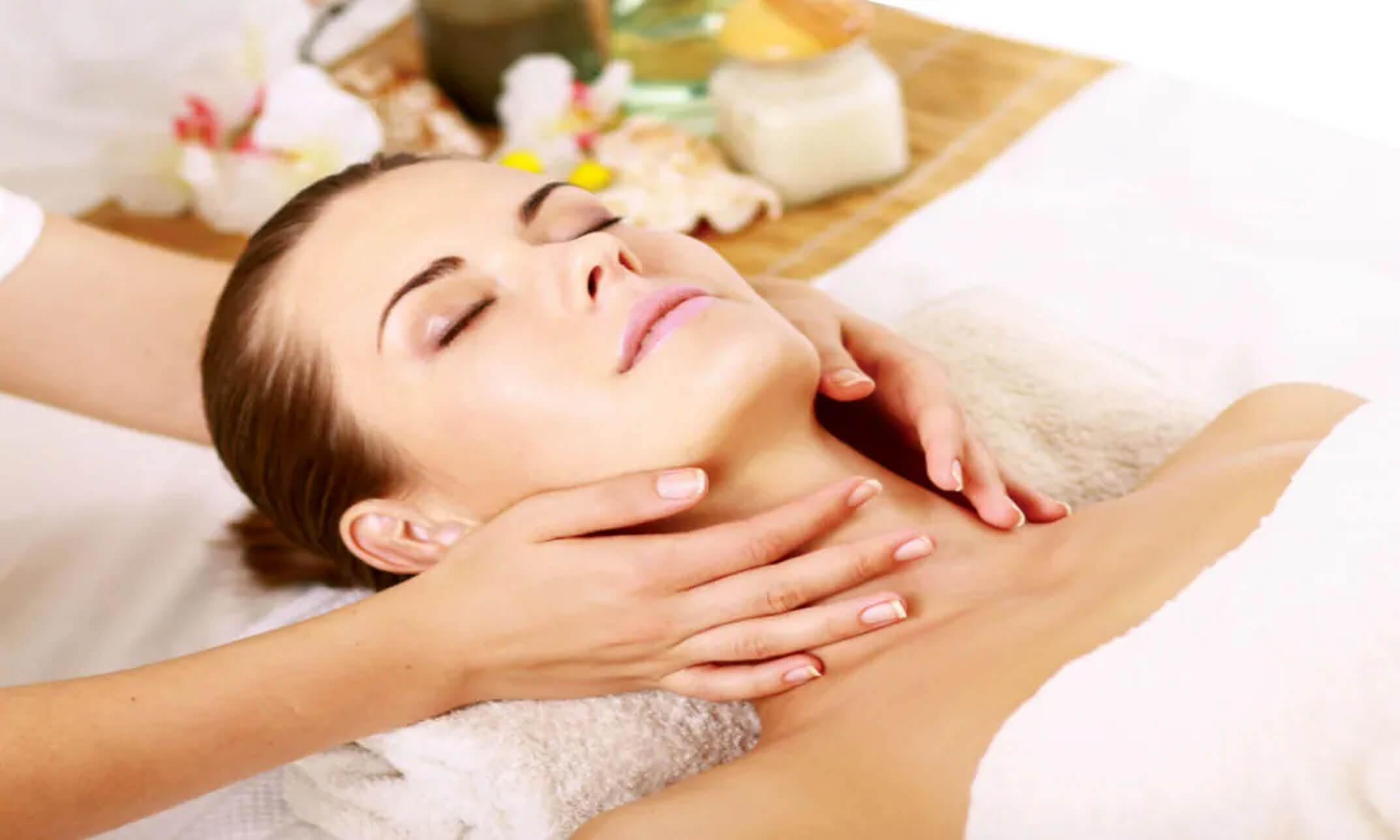
A massage therapist uses their hands to work on muscles and soft tissues. Their job is to help people relax, ease muscle pain and feel better. For example, someone with a sore back after sitting all day may book a massage to relax their muscles.
During a session, therapists use different hand movements and levels of pressure. They also talk to each client before the massage. This helps them understand what the client needs and what feels comfortable. They can then choose the right type of massage and adjust the pressure. However, massage therapists do not find or treat medical conditions. If a client has severe pain, swelling or an injury, the therapist should advise them to see a doctor. This helps the client get the right care.
What Does a Typical Massage Therapy Session Involve?
A massage session usually follows a few simple steps. Here is what you can expect:
- First chat: The therapist asks about your health, pain and past injuries. This helps them understand your needs and keep you safe.
- Choosing the massage: You can tell the therapist which parts of your body hurt or feel tight. They explain your choices and ask how much pressure you like.
- Getting the room ready: The therapist makes sure the room is clean, warm and quiet. They also prepare the massage table, towels and oils.
- Having the massage: The therapist uses their hands to work on your muscles. They check if you feel comfortable and if the pressure feels right. You can speak up if anything hurts.
- Aftercare advice: Once the massage ends, the therapist may suggest drinking water, resting or doing gentle stretches. These simple steps can help you feel better after your session.
What Types of Massage Therapy Are Available in the UK?
Different types of massage offer different benefits. Some help you relax, while others focus on tight or sore muscles. Your choice depends on what you need. Here are some common types of massage in the UK.
Swedish Massage
Swedish massage uses smooth strokes and gentle kneading. It helps your muscles relax and makes you feel calm. It is a good choice if you feel stressed or tired.
Deep Tissue Massage
This massage uses slow movements and firm pressure. The therapist works on deeper muscles and tight areas. Many people choose it to ease muscle tension and stiffness. Tell your therapist if the pressure feels too strong.
Sports Massage
Sports massage focuses on muscles used during exercise. It can help prepare your body before exercise and support recovery afterwards. Athletes often choose it, but anyone with tight or tired muscles can enjoy it.
Thai Massage
Thai massage combines stretching and pressure. Therapists use different body parts, including their hands, elbows, knees and feet. You usually keep your clothes on, so wear loose and comfortable clothing.
Aromatherapy Massage
This massage combines gentle movements with essential oils. Many people enjoy it to relax and reduce stress. Tell your therapist about any skin allergies before your session.
Remedial Massage
Remedial massage focuses on specific muscle problems, such as sore legs or tight shoulders. The therapist chooses suitable methods based on your needs. However, it does not replace medical care. Speak to a health professional if you have ongoing pain or a serious injury.
What Skills and Duties Does a Massage Therapist Need?
A massage therapist needs more than massage skills. They also need patience, care and good communication. Every client has different needs, so therapists must make each person feel safe and comfortable. Good communication skills help therapists understand their clients. They should ask about pain, health problems and personal needs before a massage. They must also listen carefully and explain what will happen during the session. Knowledge of the human body is also important. Therapists need to understand muscles, bones and how the body works. This helps them choose the right massage for each client.
Safe massage skills help prevent pain and discomfort. Therapists must know how much pressure to use and which movements work best. They should also change their methods if a client feels uncomfortable. Good hygiene and time management matter too. Therapists should wash their hands and clean massage beds after each session. They must also keep their work area clean and start appointments on time. Finally, good listening and customer service skills help clients feel welcome. Therapists should respect each client’s privacy and personal space. A kind and friendly attitude can make clients feel relaxed and happy to return.
Is Massage Therapy Regulated in the UK?
Massage therapy does not have a legal regulator across the UK. This means anyone can use the title ‘massage therapist’. The law does not require everyone to have a massage qualification. However, therapists should still follow good work standards. The Complementary and Natural Healthcare Council (CNHC) offers a voluntary register for massage therapists and other health workers. The Professional Standards Authority (PSA) checks and approves this register.
Joining the CNHC is not a legal requirement. However, it helps clients find therapists who meet recognised standards. Training, membership and insurance also matter. A recognised qualification helps therapists learn safe massage skills. Professional membership shows their commitment to good practice. Suitable insurance can also protect them if a client makes a claim. Finally, massage therapists must follow general UK laws. These include health and safety, consumer protection and data protection rules. They must keep their workplace clean and protect clients’ personal details.
Which Professional Bodies Support Massage Therapists in the UK?
Professional bodies help massage therapists improve their skills and work safely. They offer support with training, insurance and good work standards. Some also provide extra learning to help therapists grow in their careers.
- Federation of Holistic Therapists (FHT): The Federation of Holistic Therapists (FHT) supports massage therapists and other holistic workers. It offers membership, insurance and training support. Members can also improve their skills through extra learning.
- Complementary Therapists Association (CThA): The Complementary Therapists Association (CThA) supports trained complementary therapists. It promotes safe work, good client care and ethical standards.
- Complementary Medical Association (CMA): The Complementary Medical Association (CMA) supports complementary and holistic health workers. It offers professional membership and expects members to follow its code of conduct.
- Complementary Health Professionals (CHP): CHP supports complementary healthcare workers. It promotes good training, safe practice and professional standards.
- Institute for Soft Tissue Therapists (ISRM): The ISRM focuses on soft tissue therapy and remedial massage. It supports trained therapists and encourages them to improve their skills.
- Sports Massage Association (SMA): The Sports Massage Association (SMA) supports sports massage therapists. It offers different membership levels based on training and experience. It also encourages regular learning.
- Complementary and Natural Healthcare Council (CNHC): The Complementary and Natural Healthcare Council (CNHC) runs a voluntary register. It sets training and professional standards. It also gives the public a way to raise complaints about registered members.
What Qualifications Do You Need to Become a Massage Therapist in the UK?
You do not need one specific qualification by law to become a massage therapist in the UK. However, proper training helps you work safely and care for your clients. A Level 3 Diploma in Massage Therapy is a good starting point. It teaches you basic massage skills and how to treat clients. You can look for courses from recognised awarding bodies, such as VTCT and ITEC.
During training, you learn about anatomy and physiology. These subjects help you understand muscles, bones and the human body. You also complete practical tests to show your massage skills. Once you finish Level 3, you can study for Level 4 or Level 5 qualifications. These courses teach more advanced skills. You can also take extra training in sports or remedial massage. Moreover, regular CPD training helps you improve your skills and keep your knowledge fresh.
How Long Does It Take to Become a Massage Therapist?
The time depends on your course and study method. Some classroom courses take a few weeks, while part-time courses may take several months. Online courses let you study theory at your own pace. However, you still need hands-on practice to learn massage skills. Most courses include practical training and tests. These help you gain confidence before working with clients.
What Are the Legal and Professional Responsibilities of a Massage Therapist?
Massage therapists must follow important rules to keep clients safe and comfortable. Their main responsibilities include:
- Work within your skills: Only offer treatments that match your training and experience.
- Get client consent: Always ask clients before starting a treatment.
- Check client health: Ask about health problems, allergies and injuries.
- Keep clear records: Record important health details and treatments.
- Respect privacy: Never share a client’s personal details without permission.
- Follow data protection rules: UK GDPR and the Data Protection Act 2018 explain how to protect client information.
- Keep professional boundaries: Treat every client with care and respect.
- Refer clients when needed: Suggest medical advice if a client has a health problem that needs a doctor’s attention.
Why Is Client Consent Important in Massage Therapy?
Client consent means getting permission before giving a massage. It helps clients feel safe and relaxed.
Massage therapists should:
- Explain the treatment before starting.
- Ask about the client’s preferred pressure.
- Check which areas the client feels comfortable having massaged.
- Make sure the client feels comfortable during the session.
- Respect their choice if they want to stop at any time.
How Should Massage Therapists Maintain Hygiene?
Good hygiene protects both therapists and clients. Follow these simple steps:
- Wash your hands before and after each treatment.
- Use clean towels for every client.
- Clean massage beds and equipment between appointments.
- Store oils and lotions in clean, safe places.
- Check product labels before use.
- Follow health and safety rules, including COSHH where applicable.
These simple steps help create a clean and safe space for every client.
How Much Does a Massage Therapist Earn in the UK?
A massage therapist’s salary depends on their experience, location and type of work. In 2026, employed massage therapists usually earn between £18,000 and £41,000 a year. The average hourly pay is around £22.81, according to salary data.
Massage therapists who work in spas, salons and wellness centres usually earn between £18,000 and £35,000 a year. However, beginners may start with around £15,730 to £21,000. As they gain experience, they may find better-paid roles.
Self-employed massage therapists can earn around £25,000 to £60,000 or more a year. However, this is their income before business costs. They must pay for equipment, insurance and room rental. Some therapists charge between £25 and £90 or more per hour.
Specialist massage therapists who work in sports or clinical massage may earn around £24,000 to £35,000 a year. Their pay often depends on their skills, clients and workplace.
Does Location Affect a Massage Therapist’s Salary?
Yes, your location can affect how much you earn. For example, massage therapists in London may earn between £35,000 and £45,222 a year. Private massage sessions can also cost £55 to £110 or more per hour. In Nottingham, the average yearly salary is around £29,479. However, pay in other areas depends on local demand, living costs and the number of clients. For more details about this career, visit the National Careers Service massage therapist guide. It explains typical salaries, working hours and career options.
How Can You Make a Complaint About a Massage Therapist?
If you feel unhappy with a massage service, you have the right to make a complaint. However, the process depends on the therapist’s professional membership. For example, you can contact bodies such as the FHT, CMA or CNHC if the therapist belongs to them. These organisations may investigate complaints about poor service or unsafe practice.
If the therapist does not belong to an association, contact them directly first. Explain what went wrong and ask them to resolve the issue. Keep receipts, messages and other evidence to support your complaint. You can also contact Trading Standards if the therapist makes false claims about their services or qualifications. However, if you suffer an injury or financial loss, seek independent legal advice. This will help you understand your rights and next steps.
How Much Does a Massage Therapist Earn in the UK?
A massage therapist’s pay depends on their skills, experience and location. Here is a breakdown of average earnings:
- Average hourly pay: Massage therapists earn around £22.81 per hour in the UK.
- Employed therapists: Those who work in a spa or salon may earn between £24,000 and £35,000 a year. For more details, visit the Indeed UK salary guide.
- Self-employed therapists: Those who work for themselves may earn £30,000 to £45,000 or more a year.
- London and Southeast: Therapists may charge £30 to £90 or more per hour. The average hourly pay in London is around £24.48.
- Midlands and North: Hourly rates may range from £25 to £60.
- Rural areas: Therapists may charge around £20 to £50 per hour.
Your skills and number of clients can also affect your income. Moreover, self-employed therapists must cover costs such as rent, insurance and equipment.
Final Thoughts
If you enjoy helping people and have an interest in health and wellbeing, massage therapy could be a good career choice. Understanding what is a massage therapist is the first step towards this job. You need proper training, good massage skills and a caring attitude. A Level 3 massage diploma can help you get started. With more training and experience, you can work in a spa, gym or private practice. You can also build your own business and choose your working hours.
FAQs
1. What exactly does a massage therapist do?
A massage therapist uses their hands to work on muscles and soft body parts. They help people relax, ease tight muscles and feel better.
2. What is the difference between a masseuse and a massage therapist?
A masseuse is an old term for a female massage worker. A masseur means a male massage worker. Massage therapist is a common term for both men and women.
3. Do you need qualifications to be a massage therapist?
The UK does not require a specific qualification by law. However, a Level 3 massage diploma helps you learn safe skills and find work.
4. What is another name for a massage therapist?
People may also call them massage practitioners, massage workers or bodywork therapists. The name often depends on their training and work.
5. What 5 parts of the body are not allowed to massage?
Massage therapists should not touch private areas, such as the genitals and breasts. They should also avoid broken skin, open wounds and badly injured areas.
6. Do I take off all my clothes for a full body massage?
No, you do not need to remove all your clothes. You can keep your underwear on. The therapist should cover you with towels and only uncover the area they massage.
Massage Therapy Course
Course Description :
- Certificate: Yes(Free)
- Accreditation: CPD Accredited
- Access: Lifetime


