
Blocked drains can cause bad smells, slow water flow and costly plumbing repairs. Learning how to prevent blocked drains at home helps you avoid these common problems. Drainage experts report that fats, oils and grease cause about 38% of blocked drains across the UK.
Small changes make a big difference to your home’s drainage system. Regular cleaning keeps pipes clear and helps water flow without trouble. Proper waste disposal also protects your drains from unnecessary build-up. Good drain care saves money and reduces unexpected plumbing issues.
This guide shares practical tips that every homeowner can follow with confidence.
Why Should You Care About Your Pipes?
Keeping your pipes clear saves you a lot of money and stress. Specifically, a healthy drainage system prevents foul smells from entering your living room. Furthermore, you avoid the high costs of calling an emergency plumber at night.
Many people ignore their plumbing until a major flood happens in the kitchen. Consequently, they face expensive repairs and damaged flooring throughout their lovely home. You can avoid these disasters by making very small changes every day.
What are the Main Causes of Household Clogs?
Most clogs happen because people put the wrong things down the sink. For instance, hair and grease are the two biggest enemies of your plumbing. These materials stick to the inside of the pipes and trap debris.
Additionally, non-flushable items like wipes create massive blockages in the main sewer lines. Most UK houses have old pipes that cannot handle modern waste products. Therefore, you must watch everything that enters your drains to keep them flowing.
How Does Water Move Through Your House?
Water travels through a series of narrow tubes beneath your floors and garden. Specifically, gravity pulls the waste down toward the main street sewer pipes. If anything gets stuck, the water starts to back up very quickly.
This backup can cause dirty water to rise in your sinks or toilets. Moreover, the weight of standing water puts extra pressure on every single joint. You must ensure the path stays clear so the water moves freely.
Why is Professional Help So Expensive?
Professional plumbers charge a lot because they use specialised and heavy equipment. For example, they use high-pressure jets and waterproof cameras to find clogs. These tools require expensive training and regular maintenance to work correctly.
Furthermore, emergency call-outs during the weekend often cost double the normal price. Consequently, you save a significant amount of money by managing your drains yourself. Simple maintenance is much cheaper than a professional repair bill in the UK.
What Signs Show a Pipe is Getting Full?
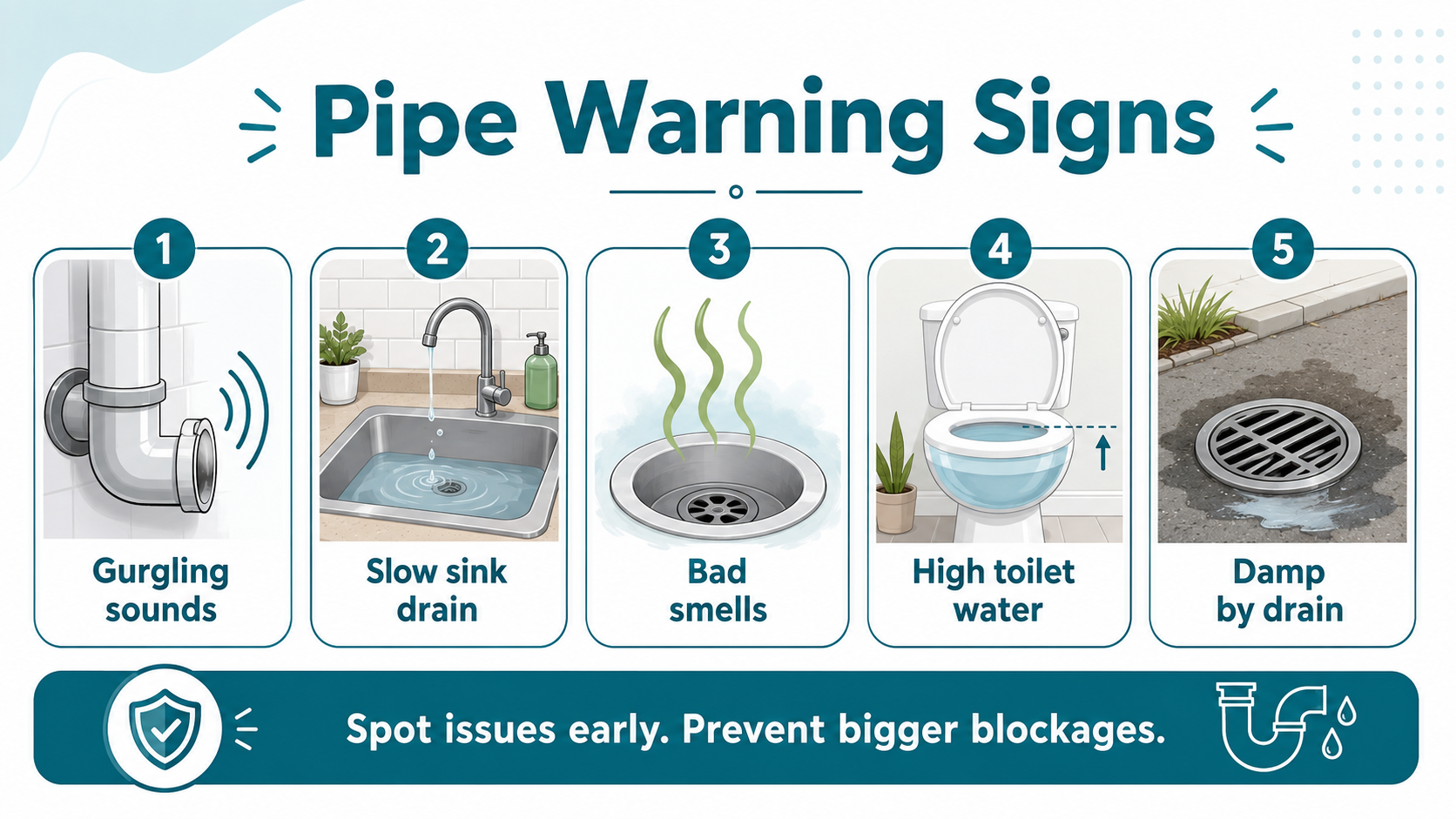
You can spot a problem before it becomes a total disaster at home. For instance, listen for strange gurgling sounds after you empty the bathtub. You might also notice that the water level in the toilet stays high.
Slow-draining water in the kitchen sink is another very common warning sign. Specifically, bad smells often appear before the water actually stops moving entirely. Recognising these signs early allows you to fix the issue very quickly.
- Listen for loud gurgling noises in the walls.
- Watch how fast the water leaves the basin.
- Smell the area around your kitchen sink daily.
- Check if the toilet bowl fills up too high.
- Look for damp patches near your outdoor drain covers.
What Can You Safely Flush Down the Toilet?
The toilet is only designed to handle three very specific things. Specifically, you should only flush pee, poop, and standard toilet paper. This rule keeps the pipes clear and the sewer system healthy.
Many modern products claim to be safe for toilets, but they are not. Furthermore, the UK water industry spends millions every year clearing out the wrong items. You protect your own bathroom by following this simple and effective rule.
Why are “Flushable” Wipes a Big Lie?
Many companies sell wipes that they claim are safe to flush away. However, these wipes do not break down as normal toilet tissue does. Instead, they stay solid and catch on the rough edges of the pipes.
Consequently, they form a thick wall that stops all water from passing through. These wipes are the main ingredient in the giant “fatbergs” under our cities. Specifically, you should always put used wipes in a small bathroom bin.
How Do Sanitary Products Damage Your Plumbing?
Sanitary products are made to absorb as much liquid as they can. Therefore, they grow much larger once they enter your water-filled pipes. This expansion makes them get stuck in the narrow bends very easily.
Moreover, the materials do not dissolve even after many weeks in the water. They act like a sponge that traps all other waste moving through. You must wrap these items and throw them in the general waste bin.
Why is Dental Floss Dangerous for Drains?
Dental floss is essentially a very strong and thin plastic string. Specifically, it does not break apart and stays in the pipes for years. It wraps around other debris like a net and creates a clog.
Furthermore, it can catch on the moving parts of a waste pump. This leads to mechanical failure and a very messy repair job for you. Always discard your used dental floss in the rubbish bin instead of the toilet.
Can Cotton Wool Cause a Major Blockage?
Cotton wool and cotton buds do not dissolve when they get wet. Instead, they clump together to form a very heavy and solid mass. This mass can easily block the “U-bend” directly under your toilet bowl.
Consequently, you will face a nasty overflow the next time you flush. Specifically, the plastic sticks in cotton buds can also puncture old or weak pipes. You should keep these items far away from your bathroom plumbing.
- Keep a lidded bin in every bathroom for waste.
- Explain the flushing rules to your young children clearly.
- Avoid using the toilet as a general rubbish bin.
- Check that the toilet paper you buy dissolves easily.
- Use a small bag for disposing of sanitary items.
Why Does Kitchen Grease Block Your Sink?
Cooking fat and oil are liquid when they are hot in the pan. However, they quickly turn into solid wax once they hit cold pipes. This wax coats the inside of the plumbing and makes it narrower. Furthermore, the sticky surface catches every small bit of food you wash away.
Over time, the pipe becomes completely blocked by a hard layer of fat. Consequently, you must keep all grease out of your kitchen sink entirely.
How Do You Manage Leftover Cooking Oil?
You should never pour liquid fat or oil down the kitchen drain. Instead, let the oil cool down in a bowl or a jar. Once it is solid, you can scrape it into the bin easily. For instance, use a piece of kitchen roll to wipe greasy pans.
This removes the oil before you even start washing the dishes with soap. Specifically, this habit keeps your pipes clean and protects the environment as well.
Why are Food Scraps Bad for Drains?
Small pieces of food like rice and pasta grow larger in water. Specifically, they soak up moisture and expand inside your narrow kitchen pipes. These scraps then get stuck in the sticky grease already in the drain.
Moreover, things like eggshells and seeds do not break down at all. They act like tiny rocks that settle in the bends of the plumbing. You should always scrape every plate into the compost or bin first.
Can Coffee Grounds Destroy Your Pipes?
Coffee grounds are very heavy and do not dissolve in water. Consequently, they settle at the bottom of the pipe traps like wet sand. They form a thick sludge that is very difficult to wash away.
Furthermore, the grounds mix with grease to create a very hard blockage. You should put your used coffee grounds in the garden as fertiliser. Alternatively, simply throw them into your food waste bin to keep pipes clear.
How Does a Sink Strainer Help You?
A sink strainer is a small mesh tool that sits over the hole. Specifically, it catches all the little bits of food and debris for you. You can then lift the strainer and empty it into the bin.
This simple tool stops clogs from ever reaching your household plumbing system. Moreover, it is very cheap to buy and lasts for many years. Using a strainer is the easiest way to maintain a clean kitchen.
- Wipe oily plates with a paper towel before washing.
- Use a mesh strainer in every single kitchen sink.
- Scrape all food leftovers into the food waste bin.
- Collect used oil in a jar for easy disposal.
- Avoid putting flour or thick sauces down the drain.
Why is Hair the Enemy of Showers?
Hair is the most common cause of slow-draining showers in UK homes. Specifically, long strands of hair tangle together to form a strong net. This net catches soap, skin cells, and dirt every time you wash.
As a result, a thick and slimy clog grows inside the shower pipe. Eventually, you will find yourself standing in a pool of dirty water. Furthermore, these hair clogs often smell very bad as they start to decay.
How Does Soap Scum Build Up?
Soap scum forms when bar soap reacts with the minerals in water. This creates a waxy substance that sticks to the walls of the pipes. Moreover, it creates a rough surface that makes it easier for hair to stick.
Over many months, this layer gets thicker and reduces the water flow. Specifically, switching to liquid body wash can help reduce this sticky buildup significantly. Rushing plenty of hot water down the drain also helps wash it away.
Can Beauty Products Cause Plumbing Issues?
Many modern beauty products contain thick clays and heavy natural oils. For instance, face masks and body scrubs do not always dissolve in water. These materials can settle in the pipes and harden like a rock.
Furthermore, some exfoliating beads are made of plastic and do not break down. You should be careful about how much of these products you use. Always rinse the drain thoroughly with hot water after your beauty routine.
How Do You Protect Your Bathroom Basin?
You should clean the pop-up waste in your basin at least once a month. Specifically, hair and toothpaste often collect around the stopper and slow the water. You can usually unscrew the stopper and wipe it clean with a cloth.
Additionally, avoid washing thick substances like paint or glue down the bathroom sink. These items can dry inside the pipes and cause a permanent blockage. Keeping the area clean prevents many common plumbing problems from starting.
Why Should You Brush Hair Before Bathing?
Brushing your hair before you shower removes loose strands before they fall. Consequently, fewer hairs will end up going down the drain during your wash. This is a very simple habit that makes a huge difference over time.
Moreover, it keeps your shower area looking much cleaner for the whole family. You can also use a silicone hair catcher for extra protection in the shower. Specifically, these tools are very easy to clean and very effective.
- Install a silicone hair catcher in your shower today.
- Clean your basin stopper every few weeks without fail.
- Switch to liquid soaps to prevent waxy scum build-up.
- Rinse the drain with hot water after using oils.
- Brush your hair thoroughly before you jump in the shower.
What is the Best Weekly Cleaning Routine?
A quick weekly routine keeps your pipes fresh and flowing smoothly. Specifically, you can use natural items found in your kitchen cupboards for this. First, pour half a cup of baking soda down the drain hole. Second, add half a cup of white vinegar and watch it fizz.
This chemical reaction breaks down grease and kills any smelly bacteria effectively. Furthermore, it is completely safe for your pipes and the environment.
How Does Boiling Water Help Clear Pipes?
Boiling water is a powerful tool for melting away soft grease and soap. For instance, pour a full kettle of hot water down the sink once a week. This heat liquefies any oils that have started to stick to the pipes.
Consequently, the waste can wash away into the main sewer more easily. Moreover, it is a free and easy way to maintain your plumbing. You should do this in the kitchen and the bathroom regularly.
Why are Natural Cleaners Better Than Chemicals?
Harsh chemical cleaners can actually damage your pipes if you use them often. Specifically, the strong acid can eat through old metal or thin plastic joints. These chemicals are also very dangerous for your skin and your eyes.
Furthermore, they are bad for the tiny organisms that clean our water. Natural cleaners like vinegar are much safer for your family and your home. They provide a professional level of cleaning without any of the risks.
How Do You Freshen a Smelly Sink?
Lemon juice is an excellent natural deodoriser for your household drains. Specifically, the acid in the juice kills bacteria and removes sour smells. You can pour a little juice down and let it sit for ten hours.
Additionally, you can drop a small piece of lemon peel into the disposal. This leaves your kitchen smelling fresh and clean for a very long time. It is a simple trick that professional cleaners use in UK homes.
Can a Plunger Fix Minor Blockages?
A plunger is a very useful tool for pushing small clogs through. Specifically, it uses air pressure to move the blockage and clear the path. You should ensure there is enough water to cover the base of the plunger.
Use firm and steady movements to create a strong suction in the pipe. Furthermore, make sure you use the right type of plunger for your sink. This tool can save you from calling a plumber for simple issues.
- Flush drains with a kettle of boiling water weekly.
- Use baking soda and vinegar for a deep clean.
- Keep a plunger under the sink for sudden emergencies.
- Clean with lemon juice to remove any nasty odours.
- Avoid using heavy chemical drain cleaners in your home.
Why Do Outdoor Drains Get Blocked?
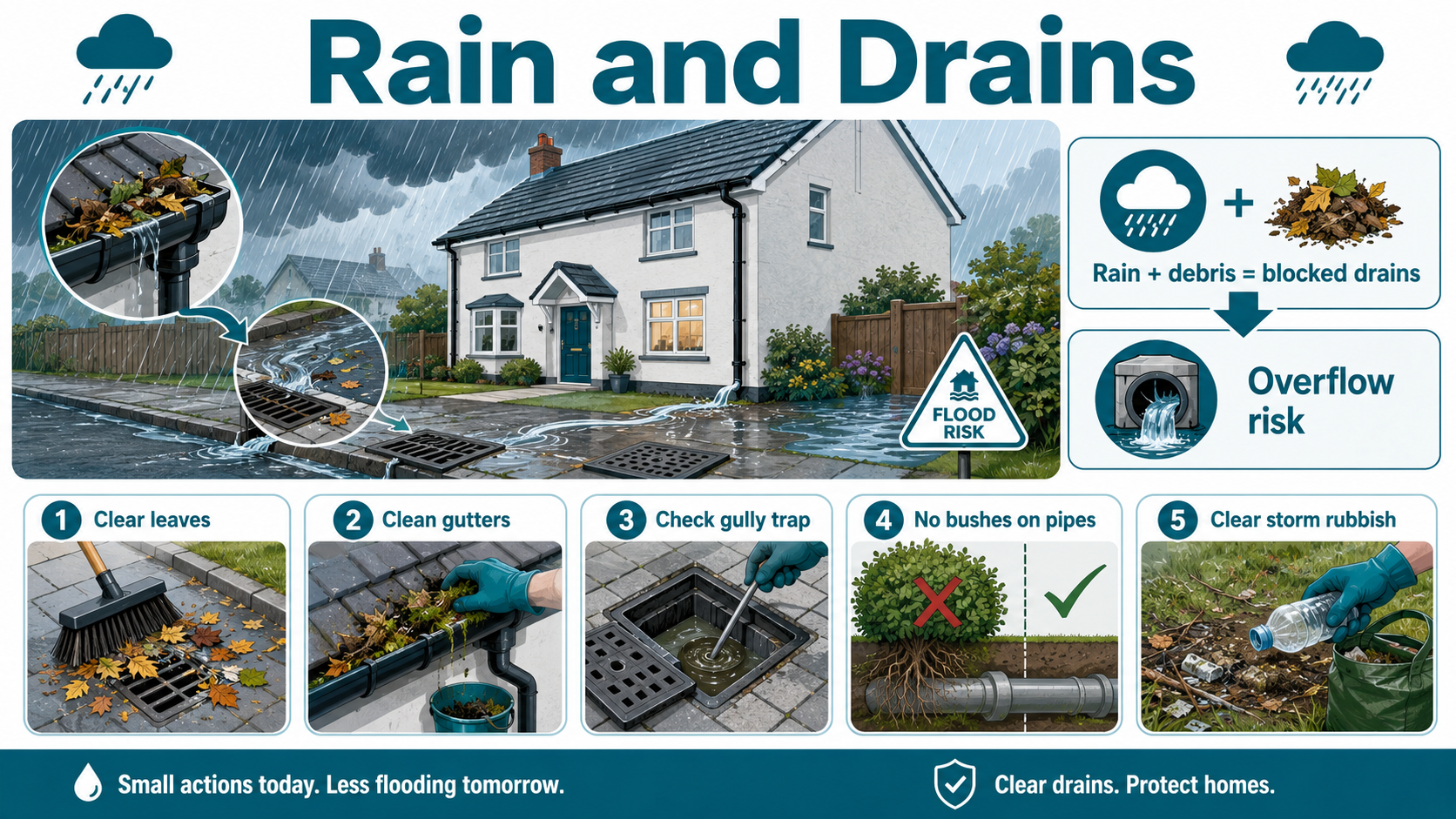
Outdoor drains are responsible for carrying rainwater away from your house foundation. However, they often get filled with leaves, twigs, and loose garden soil. Specifically, this happens most often during the windy and rainy UK autumn months.
If these drains get blocked, water might seep into your basement or walls. Consequently, you must keep the area around your outdoor grates very tidy. Removing debris by hand is the best way to keep them clear.
How Do Tree Roots Enter Your Pipes?
Tree roots are always looking for moisture and can find tiny cracks in pipes. Moreover, once they get inside, they grow very quickly in the wet environment. These roots create a thick mass that stops all waste from moving through.
In addition, they can eventually break the pipe completely and cause a leak. Specifically, you should avoid planting large trees too close to your drainage lines. Professional help is usually needed to remove roots from a pipe.
Why is Gutter Cleaning So Important?
Gutters catch rain from your roof and send it down to the ground. If your gutters are full of moss, the water will overflow onto your walls. Furthermore, this debris can wash down into the ground drains and block them.
Specifically, you should clear your gutters at least once every single year. This protects your roof and your drainage system from sudden water damage. Keeping gutters clear is a vital part of looking after your UK home.
What is a Gully Trap?
A gully trap is the opening in the ground where your waste pipes meet. Specifically, it has a small pool of water to stop sewer smells from rising. You can see these traps in your garden or near your back door.
If the trap gets filled with mud, it will overflow and cause a mess. You should check your gutters once a month to remove any leaves. This keeps the water moving and protects your house from dampness.
How Does Heavy Rain Affect Your Drains?
Heavy rain puts a lot of pressure on the entire UK drainage system. Specifically, it can wash a large amount of silt and rubbish into the pipes. If your drains are already partially blocked, they will overflow during a storm.
This can lead to flooding in your garden or even inside your home. Therefore, you should ensure all your outdoor grates are clear before winter. Preparation is the best way to handle the unpredictable British weather.
- Sweep fallen leaves away from all your drain covers.
- Remove moss and dirt from your gutters every autumn.
- Check your gully traps for any standing water or mud.
- Avoid planting bushes directly over your main sewer pipes.
- Clear any rubbish that blows into your garden after storms.
When Should You Stop Trying to Fix It?
Sometimes a blockage is too deep or too hard for you to reach. Specifically, if the water does not move after plunging, you need a pro. Do not try to poke wires or sticks down the pipes yourself.
This can cause the pipe to burst and make the problem much worse. Furthermore, a professional has the right insurance to cover any accidental damage. Knowing when to stop is a sign of a very smart homeowner.
How Can You Help Your Neighbours?
Your pipes are connected to the main sewer line shared by your neighbours. Specifically, if you block your drain, it can cause problems for the whole street. You should talk to your neighbours about keeping fats and wipes out of the system.
Furthermore, many UK councils provide free information on how to protect the local sewers. Working together keeps the whole community safe from nasty sewer backups and smells. Sharing these tips is a great way to be a good neighbour.
Why Should You Keep a Plumbing Log?
Keeping a simple log of your maintenance helps you spot recurring patterns. For instance, note down every time you clean the drains with vinegar. If a sink keeps blocking every month, there might be a deeper problem.
Specifically, you can show this log to a plumber to help them diagnose the issue. Moreover, it reminds you when it is time to check the gutters or gullies. This organisation keeps your home running like a professional operation.
Final Thoughts on Pipe Care
Finally, knowing how to prevent blocked drains at home can save you time, money, and unnecessary stress. Small daily habits, like keeping grease, food waste and hair out of your drains, make a big difference over time. Regular cleaning also helps keep water flowing smoothly. With a little care, you can reduce plumbing problems and protect your home’s drainage system for years to come.