
Have you ever asked yourself how to become a PAT tester UK standard to start a practical electrical safety career? It often starts when you notice how important safe appliances are in workplaces, schools, and homes. Then, your interest grows as you realise you do not need to be a fully qualified electrician to do this job. However, you need only basic electrical knowledge, hazard awareness, and good attention to detail.
From here, the path is simple. First, you learn how to inspect appliances. Then, you can take an online CPD module or a City & Guilds 2377 course. Afterwards, you get your testing equipment and gain field experience. Self-employed testers earn per item alongside call-out fees, while employed testers earn around £24,000 to £32,000 per year.
Now, let’s dive in and explore how to become a PAT tester step by step.
What Is PAT Testing and Why Is It Important in the UK?
PAT testing is when a professional checks plug-in electrical items to make sure they are safe to use. However, people like bosses, landlords, and site managers do this so that no one gets a shock, gets hurt, or gets caught in a fire.
Even though the law does not explicitly state that you must do a PAT test every year, it does say you must keep all electrical equipment safe. Because of this, regular testing is the best way to prove you are following the rules and protecting everyone in your building.
Four main UK laws explain why this is so important:
- Health and Safety at Work Act 1974: The law says bosses must keep the workplace safe for everyone.
- Electricity at Work Regulations 1989: This rule states that all electrical equipment must be kept safe so they do not cause any danger.
- Management of Health and Safety at W.R 1999: Means tools and machines must stay safe and get checked regularly.
- Management of Health and Safety at Work Regulations 1999: The law says businesses should identify danger before anyone is hurt.
Who Can Become a PAT Tester in the UK?
Anyone can become a PAT tester in the UK. You do not need to be a fully qualified electrician to test portable appliances. Instead, you just need to be a “competent person”. The Institution of Engineering and Technology says this means you need three simple skills.
To start with, you need electrical knowledge. This means you understand basic rules about electricity, such as how power flows and works.
After that, you need hazard awareness. This helps you spot dangerous things, like broken plugs, damaged wires, or unsafe ways of using machines.
Furthermore, you need practical capability. This simply means you know how to use the testing tools safely and correctly.
Because of these simple rules, PAT testing is a great job choice. It is ideal for landlords, site managers, repair staff, and anyone who wants to start a brand-new career.
Step-by-Step Guide on How to Become a PAT Tester UK
Here is your step-by-step guide to becoming a PAT tester:
Step 1: Learn the Different Types of Plug-in Equipment
Before you begin, you need to know how to group electrical items into three main classes:
- Class I Equipment: These items have metal covers and use a ground wire (earth connection) to keep you safe. Examples include metal kettles, fridges, and microwaves.
- Class II Equipment: These items have strong plastic covers instead of a ground wire to protect you. Examples include plastic power tools, vacuum cleaners, and desktop computers.
- Class III Equipment: These items run on very low and safe electric power. Examples include mobile phone chargers and small laptops.
Step 2: Get the Right Training Certificate
Even though you can start with a basic course, most employers look for proper qualifications.
- City & Guilds 2377 Course: This is the best qualification you can get. It teaches you the newest safety rules, how to test items properly, and how to pass the test.
- Online Courses vs. Classroom Learning: Online courses are great for learning the ideas quickly. However, real classroom courses are better because you get to practice with real testing tools while a teacher helps you.
Step 3: Learn the 3-Step Testing Process
Next, you must follow three easy steps every time you test an item:
- User Checks: Quick visual checks by the person using the item to spot damaged wires or cracked plugs before plugging them in.
- Detailed Visual Inspection: Careful checks inside the plug to make sure the wires are attached correctly, the fuse is right, and there are no melt marks.
- Testing with a Machine: Using a special testing tool to measure how safe the wires and power levels really are.
Step 4: Buy the Best Testing Tools
After your training, you need to buy the right tools for your work:
- Simple Pass/Fail Testers: Basic, battery-powered machines that quickly light up to show if an item is safe or broken. These work best for small jobs.
- Digital Memory Testers: Clever machines that save hundreds of test results, print out sticker labels, and send the data straight to your computer.
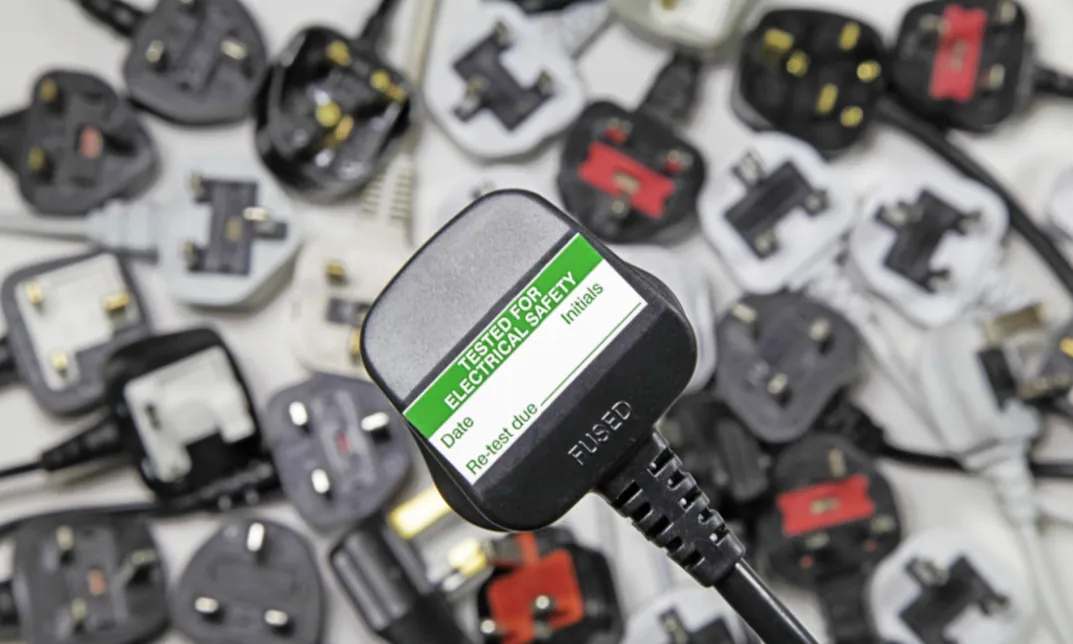
- Extra Supplies: You will also need green “Pass” and red “Fail” stickers, spare plug parts, record books, and computer software to write clear reports for your customers.
Step 5: Practice with an Expert
Lastly, try to work alongside a skilled tester before you start charging people for your work. This helps you build your confidence, practise testing different types of tools, and learn how to keep neat records for your clients.
How Much Does It Cost to Become a Certified PAT Tester?
Here is an overview
| Investment Category | Service / Equipment Type | Estimated Cost (GBP) |
| Training Courses | Online CPD Introductory Modules | £30 – £150 |
| Training Courses | City & Guilds 2377 (1-2 Days Classroom) | £200 – £400 + VAT |
| Testing Hardware | Entry-Level Manual Tester | £250 – £500 |
| Testing Hardware | Advanced Downloading Tester | £600 – £1,200+ |
| Annual Maintenance | Tester Calibration Fee | £50 – £90 |
| Business Cover | Public Liability & Indemnity Insurance | £100 – £250 per year |
Most newly qualified testers recover their initial investments within their first few months of paid commercial work.
Final Thoughts
So, how to become a PAT tester UK? It starts with small and simple steps. At first, you learn basic electrical principles and appliance classes. Then you build real skills through practical testing and hazard awareness. Then, you can take a fast CPD online module or enrol in an accredited classroom course like the City & Guilds 2377. Each path helps you move closer to real commercial testing work.
As you gain experience, your role grows step by step. You start with visual checks and basic item testing. After that, you move into complex downloading equipment and digital reporting. Then you can become an employed specialist, an independent contractor or even a business owner with your own repeat client base. Some people also expand into wider safety roles or manage site maintenance across major sectors.
In the end, take your first step now. Start building your skills right away with a comprehensive PAT Testing Training Course. Pick your learning path, get certified, and kickstart a flexible and profitable career in electrical safety!
FAQs
How much can earn as a PAT tester in the UK?
Full-time employed testers earn between £24,000 and £32,000 per year. However, independent business owners charging per-item rates alongside minimum call-out fees can generate significantly higher earnings.
What qualifications do you need to be a PAT tester?
You do not strictly need a degree or electrical trade qualification. However, completing a recognised course like the City & Guilds 2377 certificate proves your competence under UK law.
How much does a PAT test course cost?
Online introductory CPD modules cost between £30 and £150. Comprehensive 1-day or 2-day City & Guilds 2377 classroom courses cost between £200 and £400 plus VAT.
Is it worth becoming a PAT tester?
Yes. Low entry barriers, cheap initial equipment costs, and constant demand from UK businesses make PAT testing a reliable, profitable career choice.
Is there a shortage of PAT testers in the UK?
High turnover in facilities management alongside growing landlord safety compliance needs maintains steady demand for reliable, certified, competent testers.
Can I become a PAT tester without being an electrician?
Yes. The law requires you to act as a competent person with sufficient training, practical skills and hazard awareness. Moreover, you do not need a full electrical apprenticeship.
What has replaced PAT testing?
Nothing has replaced PAT testing. However, the IET Code of Practice 5th Edition replaced strict annual testing schedules with tailored, risk-based inspection intervals.
How much do PAT testers charge in the UK?
Testers charge between £1.00 and £3.00 per appliance, usually enforcing a minimum call-out fee between £45 and £75 per job.
Can I do my own PAT testing in the UK?
Yes, provided you possess proper electrical knowledge, use calibrated testing gear, and meet the legal definition of a competent person.
PAT Testing Training Course
Course Description :
- Certificate: Yes(Free)
- Accreditation: CPD Accredited
- Access: Lifetime