
How often is PAT testing required in the UK? There is no fixed legal period for testing portable electrical appliances. However, employers must keep electrical equipment safe for everyone. How often you test an appliance depends on how people use it and its condition. Regular checks help find problems early. They also help prevent electric shocks and fires.
Regular checks can spot damaged plugs, loose wires and worn cables. So, how often should you arrange PAT testing for different appliances? Some equipment needs checks every few months. Other items may only need testing every few years. For example, busy building site tools need more attention than office lamps.
Is PAT Testing Required by Law in the UK?
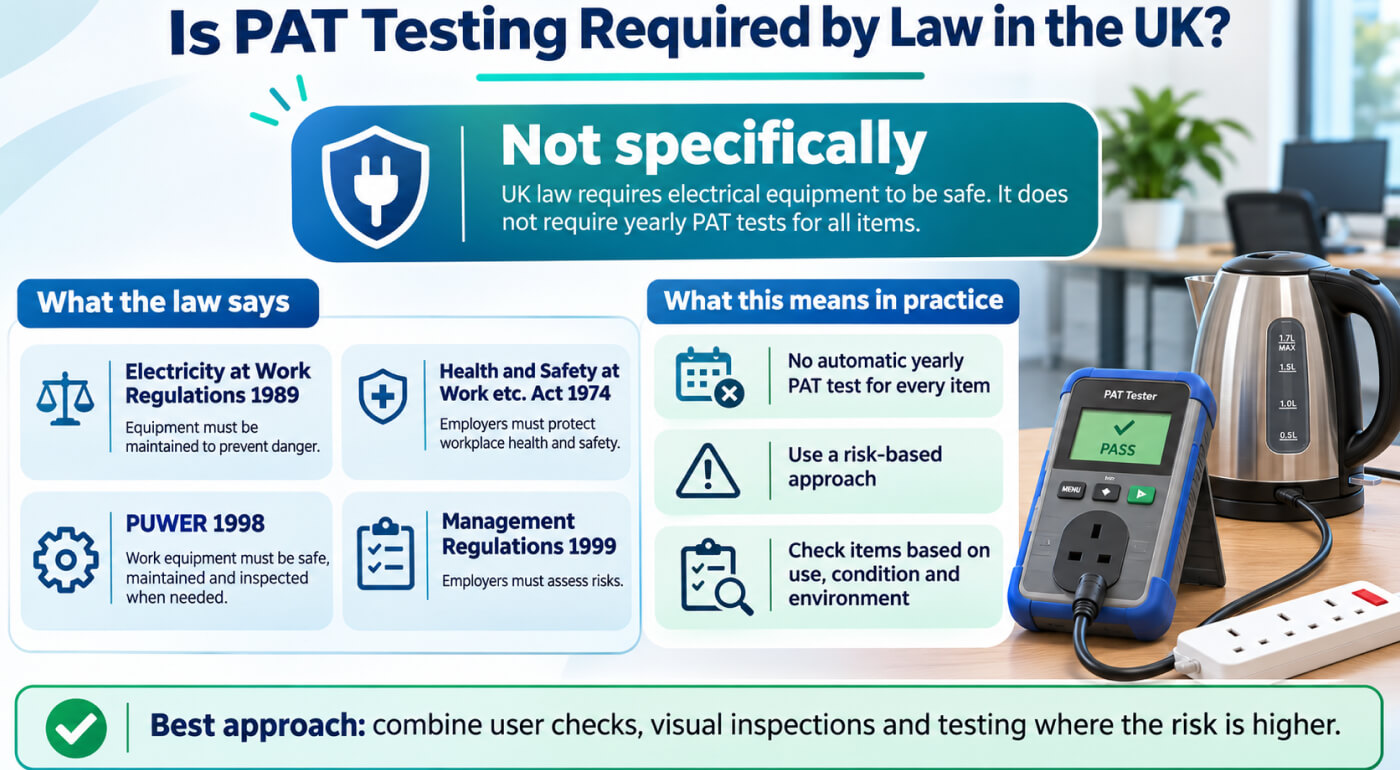
UK law says employers must keep electrical equipment safe. However, it does not require yearly PAT tests for all items. The Electricity at Work Regulations 1989, especially Rule 4, set safety rules for electrical systems. The Health and Safety at Work Act 1974 also makes employers responsible for workplace safety.
PUWER 1998 says employers must keep work equipment safe. The 1999 regulations also ask employers to check workplace risks. However, these laws do not set PAT testing dates. The HSE says employers should check equipment based on its use and possible risks.
How Often is PAT Testing Required?
PAT testing frequency varies with the type of equipment and how often people use it. Some items need frequent tests, while others need fewer checks. For example, office computers may need less testing than power tools used on building sites. So, annual PAT testing is not necessary for every appliance.
Past test results can help you decide when to test again. You should also follow the maker’s safety advice. Regular visual checks can spot damaged plugs, loose wires and broken cables. However, these checks are not the same as PAT testing. Review your test dates when equipment use or workplace risks change.
How Often Should Different Workplaces Carry Out PAT Testing?
Different workplaces need different PAT testing schedules. The right time depends on how often people use the equipment. It also depends on the risks in each workplace. Busy sites may need more frequent checks. Here are some suggested checks for common workplaces:
- Offices: Monitor computers and IT equipment visually every 1 to 2 years.
- Construction sites: Inspect 110V tools weekly and test them monthly. Check 230V tools daily and inspect them weekly.
- Light industrial workplaces: Carry out formal visual checks every 6 months.
- Heavy industrial workplaces: Check high-risk equipment daily and inspect it every week.
- Hotels and public spaces: Review equipment often and arrange formal visual checks every 3 months.
- Combined testing: Set test dates based on equipment type, use and workplace risks.
How Often Do Landlords Need PAT Testing?
Landlords must keep all electrical items in their rental homes safe. However, fixed wires and portable items have different rules. In England, private landlords must arrange an EICR every five years. This check helps find faults in wires, sockets and other fixed parts. The rule comes from the Electrical Safety Regulations 2020.
However, this five-year rule does not apply to PAT testing. Since 2025, social landlords must also follow new safety rules. They must check the electrical items they provide at least every five years. A trained person decides which checks each item needs. Landlords should also check their appliances often and fix any damage.
What Factors Affect PAT Testing Frequency?
Not all electrical items need checks at the same time. The right time depends on how often people use them. The type of item also matters. Some items have better safety features than others. Items used every day may wear out faster. Dust, heat and water can also cause damage. Shared items may need more regular checks.
The age and state of an item also matter. Old or damaged items need more checks. Past test results can also affect the next test date. If an item often fails, check it more often. Items used less often may need fewer checks. However, a risk check must support this choice.
What Checks Does PAT Testing Include?
PAT testing includes three main types of checks. These are user checks, visual checks and electrical tests. During user checks, people look for broken plugs, loose wires, burn marks and cracked covers. A trained person then checks the plugs, wires, fuses and the item’s condition.
Some electrical items need extra checks with special tools. These checks make sure the wires are safe and not damaged. They also check the earth connection and safe flow of electricity. The tester may check if the item works well. However, each item may need different checks. A trained person chooses the right checks for each item.
Does New Electrical Equipment Need PAT Testing?
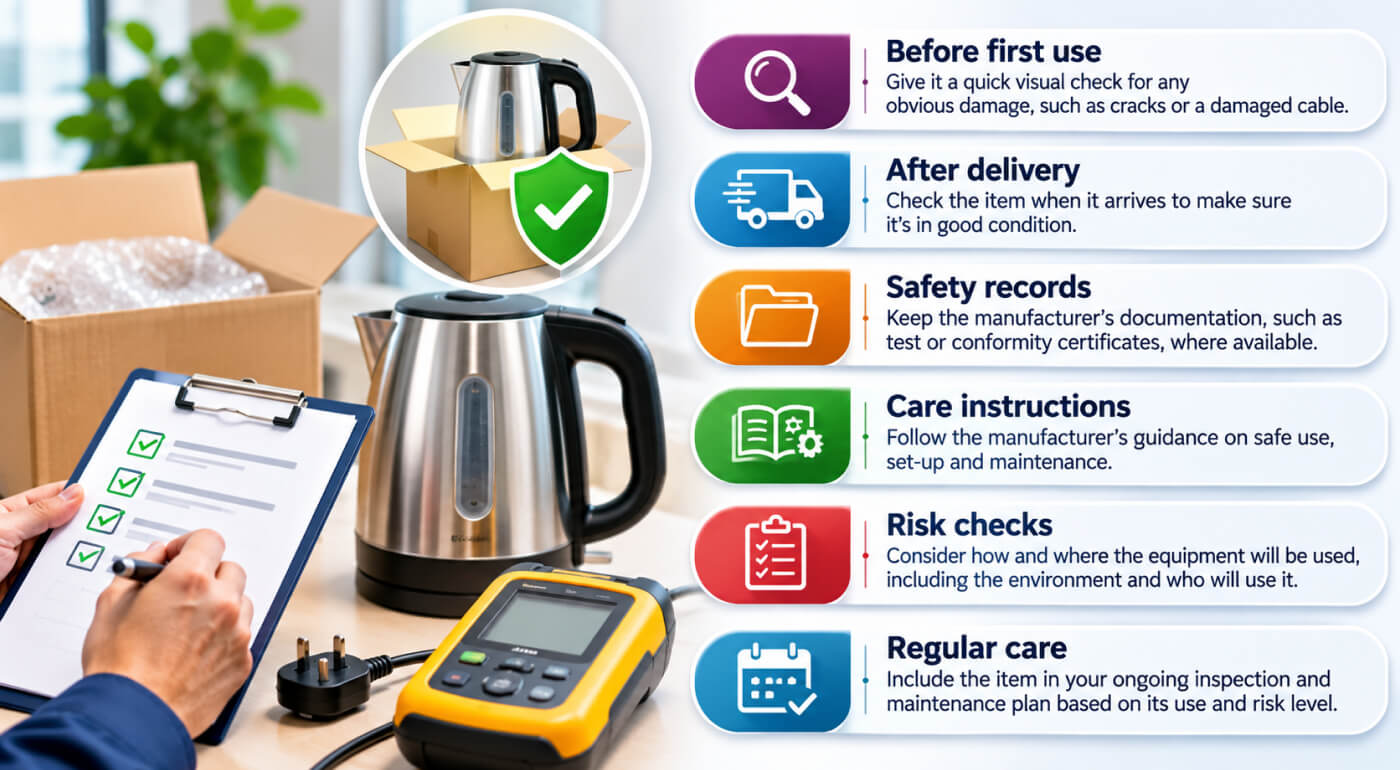
New electrical equipment should arrive in a safe condition. However, this does not mean you can use it without checking. The HSE does not normally require a formal PAT test before first use. A simple visual check can help spot damage before anyone uses the item. Before use, check these parts:
- Before first use: Give the appliance a quick check to spot any visible damage.
- After delivery: Look for damage that may have happened during transport.
- Safety records: Record the new appliance, its location and its first use date.
- Care instructions: Read the maker’s guide before connecting the equipment.
- Risk checks: Decide how often the appliance needs future safety checks.
- Regular care: Keep checking the appliance as part of your workplace safety plan.
Who Can Carry Out PAT Testing?
A trained and skilled person can carry out PAT testing. However, they do not need to be a qualified electrician. They must know how to check electrical items safely. Basic visual checks need simple training. Electrical tests need more skill and practical experience.
A PAT tester must also know how to use testing tools and understand the results. City & Guilds 2377 is a useful PAT testing course. However, the law does not require this qualification. Employers must still keep electrical items safe. This duty remains with them, even when they hire an outside tester.
Do You Need PAT Testing Records and Labels?
UK law does not require PAT testing records or stickers. However, keeping records helps businesses track the safety of their electrical items. It also shows which items need testing, repair or replacement. A good record should show the item name, ID number and location.
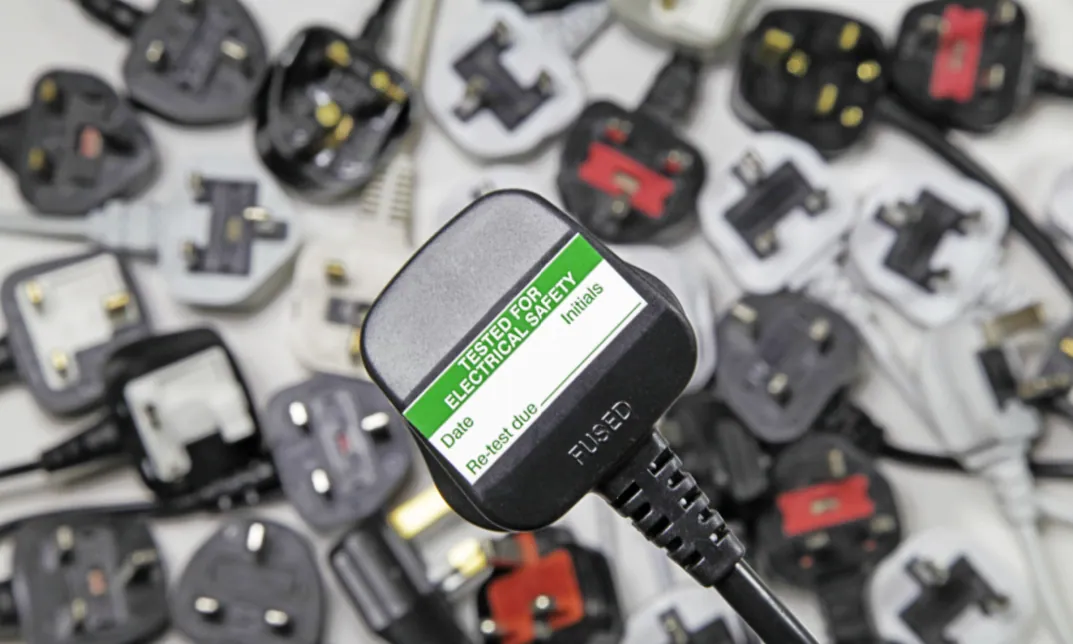
Keep a record of each test, including its date, result and any faults found. Also, write down repair details and set a date for the next check. Test labels help staff identify which items have passed their checks. However, a label does not mean an item is always safe. Staff must still check equipment often to spot new problems.
What Happens if an Appliance Fails a PAT Test?
A failed PAT test means an appliance may not be safe to use. So, stop using it straight away. Remove it from service and mark it clearly. Keep it away from working equipment. This helps prevent someone from using it by mistake. Next, ask a competent person to check the fault.
They can repair the appliance if it is safe to do so. If repair is not suitable, replace it. Arrange the right safety checks after any repair. Only return the appliance to use when it is safe. Report damaged plugs, loose wires and burn marks as soon as you spot them. Don’t wait for the next PAT test.
What Happens if You Ignore Electrical Safety Duties?
Ignoring electrical safety can put people and property at risk. Damaged wires, plugs and appliances can cause electric shocks or fires. These accidents can hurt employees, customers and visitors. Employers must take proper steps to keep electrical equipment safe. Poor electrical safety can also lead to serious problems for businesses:
- Legal action: Employers may face action for failing to meet safety rules.
- Fines: Serious breaches can lead to large fines or prosecution.
- Insurance claims: Poor equipment care may affect insurance claims.
- Workplace injuries: Unsafe appliances can cause burns, shocks and other injuries.
- Fire damage: Faulty electrical items can start fires and damage buildings.
What Should You Do When Equipment Fails or Becomes Unsafe?
Faulty electrical items can cause electric shocks, fires and injuries. So, stop using any item that fails a PAT test. Remove it and mark it as unsafe. Keep it away from other working items. This stops someone from using it by mistake. Never ignore broken plugs, loose wires or burn marks.
Get a trained person to repair any faulty equipment. Replace the item if they cannot make it safe. Test it again before putting it back into use. Employers may face legal trouble if they fail to follow safety rules. However, the law does not require a PAT test every year. Employers must still keep all electrical equipment safe.
Final Thoughts
Knowing how often is PAT testing required helps keep everyone safe. UK law does not set fixed dates for these tests. However, you should check electrical items often. Look for broken plugs, loose wires and damaged cables. Arrange tests as needed and keep a record of the results. These easy steps help prevent accidents and reduce the risk of electric shocks and fires.
FAQs About How Often is PAT Testing Required
1. How long is a PAT test qualification valid for?
- A PAT testing certificate does not usually expire. However, regular training helps you keep your skills and knowledge up to date.
2. Is there a legal requirement to do PAT testing?
- UK law does not set a fixed rule for PAT testing. However, employers must keep workplace electrical equipment safe.
3. How much does an electrician charge for PAT testing?
- An electrician may charge around £1 to £5 per item. The price depends on the number of items and the service.
4. Can you sell electrical items without a PAT test?
- You can sell electrical items without a PAT test. However, you must make sure they are safe to use.
5. Can I do PAT testing myself?
- You can carry out PAT testing yourself if you have the right skills and knowledge. You must also know how to use the test equipment safely.
6. Is it legal to sell second-hand electrical goods?
- UK law allows the sale of second-hand electrical goods. However, sellers must make sure their products are safe and meet safety rules.
PAT Testing Course (Portable Appliance Testing)
Course Description :
- Certificate: Yes(Free)
- Accreditation: CPD Accredited
- Access: Lifetime