
Sometimes, hard times or too much time online can change how people think or act. As time passes, this can affect how they see the world and the choices they make. This is when radicalisation can start. But what is radicalisation? It happens when someone begins to support, or thinks it is okay to use, extremist or terrorist violence. This can happen slowly or quickly, and it can happen online or in real life.
In the UK, help is about keeping people safe, not punishing them. Support is voluntary and helps protect both the person and the community. If there is immediate danger, call 999. If it is not urgent, you can get private advice from ACT Early or your local safeguarding team.
So let’s move a bit closer and understand what this really means in simple, real terms.
What Is Radicalisation?
Radicalisation does not happen all at once. It grows slowly when someone’s ideas start to become harder. After a while, harmful thoughts can begin to feel normal or even acceptable. Bit by bit, one strong belief can take over more of their life. This can change how they think and how they act each day.
UK guidance explains radicalisation as the point where someone starts to support, or feels it is acceptable to use, terrorist violence. To be clear, the focus is on behaviour, not on a person’s background or private beliefs. Most people who cause harm reach that point because of their own choices. This is why early support is important. With the right help at the right time, a person can move back to a safer path.
How Radicalisation Differs from Normal Beliefs
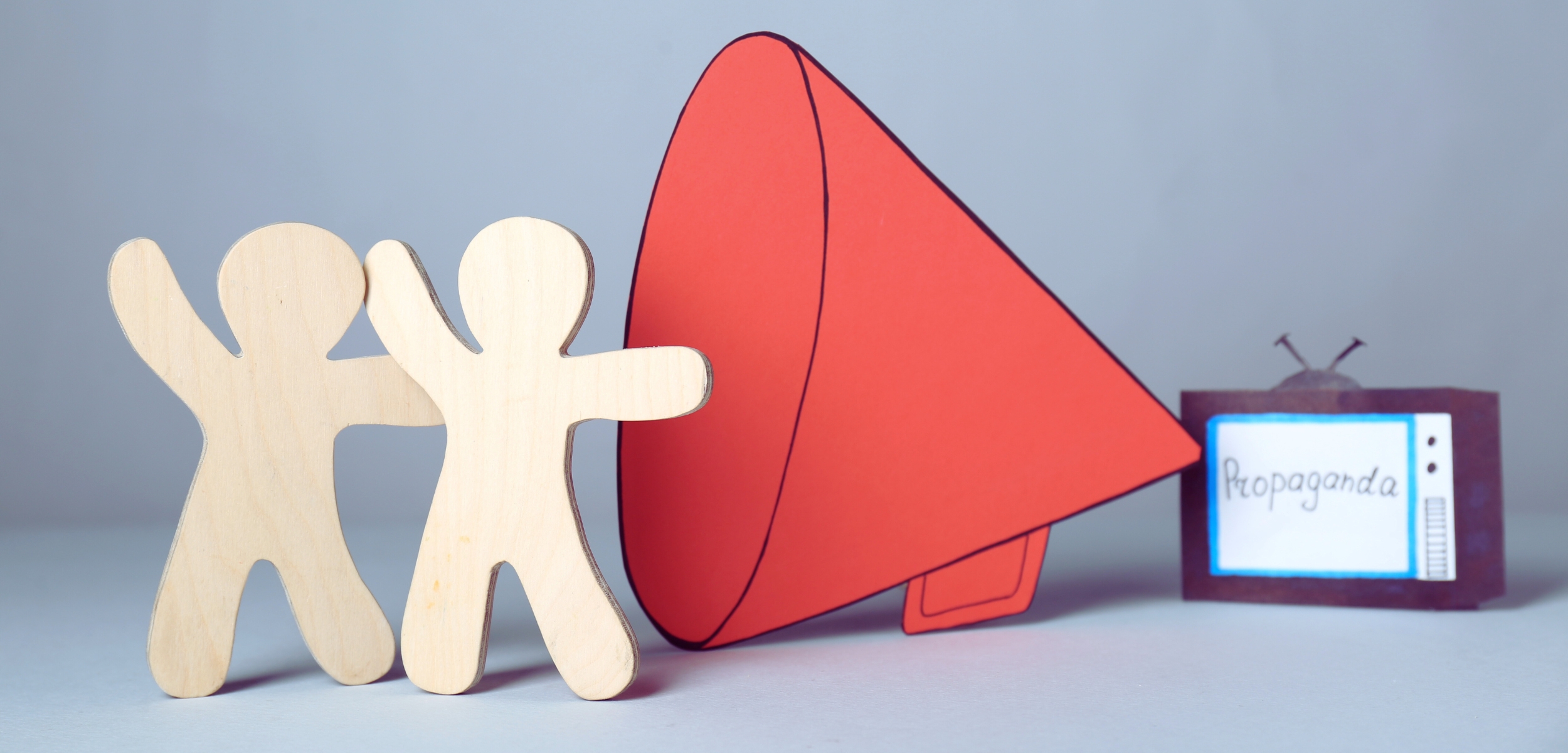
It is normal to have strong opinions or beliefs. These help us make choices, act on what matters, and give life meaning. But radicalisation is different. It happens when someone starts following extreme ideas or thinks it is okay to use violence to support their beliefs.
The big difference is in actions. Normal beliefs respect others and stay safe. On the other hand, radicalised thinking can hurt people and make someone angry or treat others unfairly. On top of that, it can make them try to control or influence the people around them.
Why Do People Become Radicalised?
Some things can make a person more open to extreme ideas. However, these factors do not cause radicalisation on their own, but they can make someone more vulnerable. In fact, radicalisation usually happens because many things come together, not because of one single reason. At the same time, others may try to take advantage of this. Here are some common factors that can increase risk:
- Wanting to belong: People want to feel part of a group or community.
- Feeling treated unfairly: They may think the world is against them.
- Personal problems: Events like losing a job or a loved one can make someone feel lost.
- Being influenced by others: Some people may try to control or change their thoughts.
- Seeing extreme content: Violent or extremist ideas online or offline can reinforce harmful beliefs.
Who Is Most at Risk?
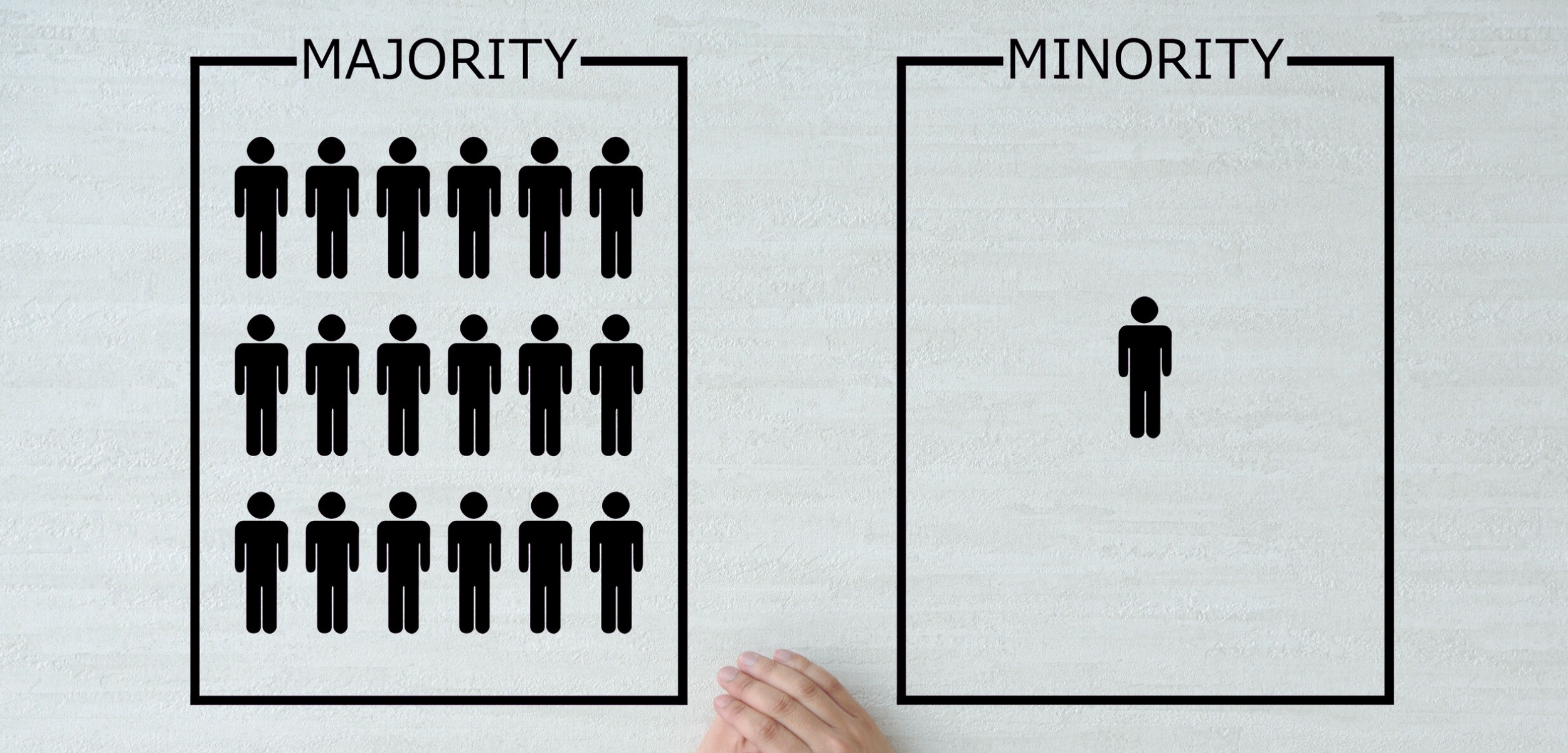
Anyone can be at risk of radicalisation. But some things can make it more likely. People who feel alone, have low confidence, see the world as “us vs them,” have mental health problems, or want to feel important may be more at risk.
Children and young people can be more at risk. They spend a lot of time online and are still learning about who they are. That’s why it is important to look at what a person does and their situation, not where they come from. Actions and context matter more than background.
What Early Warning Signs Should You Look For?
Early warning signs are the first signals that something may not be right. At first, they may happen only sometimes or seem small. Over time, these signs can become stronger, especially when a person is under stress. That’s why it is important to watch for patterns, not just one single action. Seeing one or two signs does not mean someone is radicalised. But if you notice a pattern, it is a good idea to have a calm talk or ask a professional for advice.
Spotting Early Warning Signs Quickly
- Pulling away from people – stops spending time with friends or family.
- Fixated on one thing – can’t stop talking about one idea or cause.
- Not open to other views – gets angry or upset when others disagree.
- Using new symbols or words shows signs linked to extremist groups.
- Saying violence is okay – thinks hurting others is normal or justified.
- Feeling “off” in your head – confused, strange thoughts, or easily distracted.
- Fear or mistrust – believes others want to harm them.
- Seeing or hearing unusual things – visions, strange sounds, or odd experiences.
- Hard to explain thoughts – ideas feel jumbled or go off track.
- Losing interest in life – hobbies, sports or school don’t matter anymore.
- Dropping grades – struggles at school or work for no clear reason.
- Neglecting self-care – stops looking after hygiene or appearance.
How Do Attitudes and Behaviours Change?
People’s thoughts and actions often follow a pattern. It usually starts with feeling upset or thinking something is unfair. Next, they may start to think it is okay to hurt others. Then, they may use words that make others seem less human. Finally, they may be ready to act on these ideas.
You may notice these changes in daily life. For example, they might keep repeating the same talking points, change their clothes or appearance to show they belong to a group, or try to get others to join. That’s why it is important to watch how often these changes happen and how strong they are.
What Online Signs Can Show Radicalisation?
Some online actions may show that a person is being influenced by extreme ideas. Watch for:
- Hiding apps or platforms – moves between apps secretly or hides what they are doing.
- Joining private groups – spends time in secret groups where extreme ideas are shared.
- Sharing violent content – downloads or sends extreme or violent materials.
- Using new symbols – shows signs, logos, or slogans linked to extremist groups.
- Spending too much time in echo chambers – staying in online spaces that encourage anger or hostility.
UK guidance highlights these as red flags, especially if the person tries to hide their activity.
How Does Social Isolation Play a Role?
Being alone or separated from others can make a person more at risk of radicalisation. For example, recruiters often surround someone with a “bubble” and cut them off from friends or people who think differently.
At the same time, they give a sense of belonging and purpose. That’s why it is important to get help early if a person stops talking to old friends and avoids people with different opinions. At the same time, spending all their time with one group that encourages anger or hate is also a warning sign.

What to Do If You Notice the Signs
If you think someone might be at risk, the first step is to keep everyone safe. Call 999 right away if there is any danger. If it is not an emergency, try to talk to the person calmly, but only if it is safe. While talking, listen carefully and show that you care.
You can also get help from trained professionals. For example, contact ACT Early, which is open 24/7, or speak to your local safeguarding lead. This help is private and voluntary and does not create a criminal record. The goal is to help the person step back from risk and keep everyone safe.
Final Thoughts on Understanding Radicalisation
Knowing what is radicalisation helps us see how extreme ideas can start. First, pay attention to what people do, not who they are. Then, watch for patterns over time instead of just one sign. By acting early and carefully, you can help someone step back from harmful ideas before things get worse. Finally, being kind and patient makes a big difference in keeping people and communities safe.
FAQs
What is radicalisation in safeguarding?
Radicalisation in safeguarding means someone starts believing in extreme ideas or violence and early support helps keep them safe.
What are the signs of radicalisation?
Signs include pulling away from friends, focusing only on one cause, using extremist symbols, saying violence is okay, or spending too much time in extreme online groups.
What does radicalise mean in simple terms?
To radicalise means to influence someone to believe in extreme ideas or support violence.
What is an example of radicalism?
An example is joining a group that uses violence to push its beliefs on others.
What are two examples of radicals?
Someone who supports terrorist acts or a person spreading extreme ideas online.
What is radicalism in simple terms?
Radicalism is holding very strong or extreme beliefs that often go against those of others.
What is radical in a very short answer?
Radical means having extreme ideas or being very different from normal thinking.