
In the UK, many accidents happen at work and school every year. This shows why we need people who can help in an emergency. So, what is a first aider? A first aider is a person who has special skills to help someone who is hurt or ill. They give the first bit of care before a doctor or a paramedic arrives at the scene. Because they act fast, they are an important link between an accident and the hospital.
Their main work is easy to understand. First, they check the area to make sure it is safe. Then, they look at the person to see what is wrong. After that, they give basic treatment like bandages or CPR to keep the person stable. They also stay calm so that everyone else feels safe.
So, let’s go in and explore the daily duties of a first aider in more detail. We will also look at the training they need and what stays inside a first aid kit to keep everyone safe.
What Is a First Aider in Simple Words?
A first aider is someone trained to help when an accident or medical emergency happens. They stay calm and give quick support before paramedics or doctors arrive. In many situations, fast action can help save a life.
A first aider may stop bleeding, help someone breathe, treat a burn, or call 999 for emergency help. They also help the injured person feel safe and less worried during a stressful moment.
You can find first aiders in schools, workplaces, sports clubs, shops, and building sites. They are not doctors or nurses. Even then, they know how to give basic care when someone needs urgent help. That is why first aiders are so important in everyday life.
What Does a First Aider Do?
The role of a first aider involves many different tasks. First, they must check the area for any danger. They keep themselves safe before they try to help anyone else. If the area is safe, they check if the casualty responds to speech or touch.
A first aider also checks for breathing and calls the emergency services if the situation is serious. If they find a person is not breathing, they perform CPR. They might also use an Automated External Defibrillator (AED) if one is nearby.
Beyond life-threatening issues, they also handle smaller injuries. They stop heavy bleeding by applying pressure and using dressings. They also help with burns, stings, broken bones, and shock. While they work, they talk to the casualty to keep them calm and reassured.
What Training Does a First Aider Need?
First aid training is not the same for everyone. The level of training depends on the type of work and the number of people in the building. You must choose a course that fits the risks in your specific environment. Here are some suggested programmes:
Emergency First Aid at Work (EFAW)
The EFAW course is perfect for lower-risk workplaces. This includes small offices or shops where serious accidents are unlikely. It usually takes one day to complete. This course teaches how to handle emergency situations and give first aid to someone who is injured or ill at work.
First Aid at Work (FAW)
The FAW course is more in-depth and usually lasts three days. It covers everything in the EFAW course but adds much more detail. It teaches how to deal with a wider range of medical conditions and injuries.
Is an Appointed Person a First Aider?
Many people get confused between a first aider and an appointed person. However, these two roles are quite different. An appointed person is someone who is responsible for first aid arrangements. This means they look after the first aid equipment and call the emergency services when an accident happens.
An appointed person does not need to have formal first aid training. Because they lack this training, they should not give first aid to an injured person beyond very basic help. A first aider, on the other hand, has a valid certificate and can perform life-saving tasks like CPR or wound care.
What Are Workplace First Aid Kit Requirements?
The workplace first aid kit requirements state that every business must provide medical supplies for its staff. Your kit must suit the specific risks in your building. For example, a small office might only need a basic kit, while a garage needs extra supplies for burns and cuts.
Firstly, you should place the kit in a spot where everyone can find it easily. All employees must know where you keep it. After that, you need to check the kit regularly to ensure it stays full. When you use an item, you must replace it immediately so it is ready for the next emergency.
At the same time, you should check the dates on sterile items like plasters and bandages. If they have expired, you must throw them away and buy new ones. Meanwhile, a kit that complies with the BS 8599-1 standard is often a good choice for UK businesses. This standard helps you pick a kit that matches the size and risk level of your team.
Overall, you must always put your own risk assessment first when you choose supplies. Companies now treat first aid as a daily need to keep workers safe. By following these rules, you ensure that help is always ready when an accident happens.
What Needs to Be in a First Aid Kit?
If you are putting a kit together, you might ask what needs to be in a first aid kit. For a standard, low-risk workplace, you should include essential items. These items help you treat minor injuries and manage larger ones until professional help arrives.
Firstly, a basic kit must contain a first aid guidance leaflet. This gives simple instructions for people who might feel nervous during an emergency. After that, you should have individually wrapped sterile plasters in different sizes for small cuts. At the same time, sterile eye pads and triangular bandages are important for head or limb injuries.
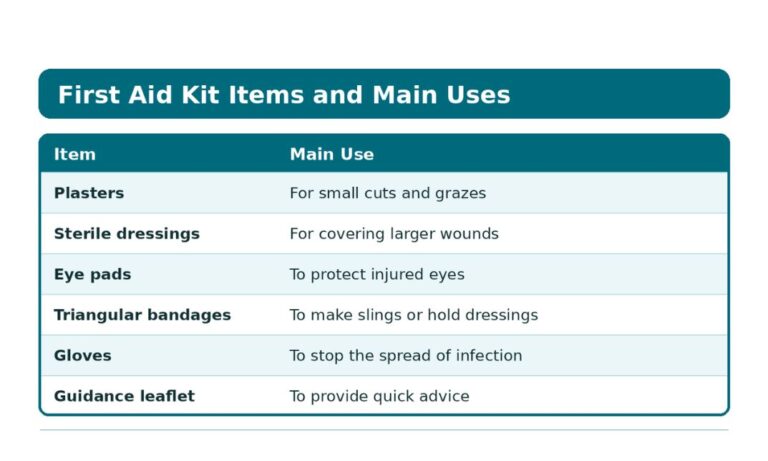
Overall, a well-stocked kit ensures you are ready for any surprise. Because you have the right tools, you can act fast and help your team when they need it most.
How Do You Become a First Aider?
There are a few steps to becoming one. First, you should think about where you will use your skills. This helps you choose the right course. For most people, an EFAW or FAW course is the best place to start.
Once you find a competent training provider, you must complete the course and pass the assessment. After you finish, you will receive your certificate. This certificate proves you have the skills to help others safely.
After you qualify, you must keep your skills fresh. Practice what you have learned and stay updated on any changes in first aid advice. Remember that you must renew your certificate every three years. A good first aider stays calm, follows their training, and knows exactly when to call for professional help.
Final Thoughts on What Is a First Aider?
Being a first aider is about more than just knowing where the bandages are. It is about having the confidence to step forward and provide calm, essential care when it matters most.
To begin with, a trained first aider provides the bridge between an accident and professional medical help. On the other hand, a workplace without these skills remains vulnerable. Having the right number of trained staff shows a genuine commitment to safety. So, when you combine skilled people with a well-stocked kit, you create a protected environment for everyone.
Still unsure if your workplace is ready? That is completely normal. The best approach is to assess your specific risks and ensure your team has the right certification to handle them. So, choosing a recognised training programme is the safest way to ensure you are prepared for any emergency with confidence.
Ready to become a lifesaver? Enrol in our Workplace First Aid Training and gain the life-saving skills that employers and communities value most.
FAQs
What do you mean by first aider?
A first aider is a trained person providing immediate care for injury or illness.
What does a first aider actually do?
They assess dangers, provide emergency life support, and manage injuries until medical help arrives.
What is the first aid for a spinal injury?
Keep the person still and support their head and neck to prevent any movement.
What are the 5 responsibilities of a first aider?
Assess hazards, manage the casualty, call help, provide treatment, and record the incident details.
What are 10 qualities of a first aider?
Calm, observant, resourceful, empathetic, quick-thinking, knowledgeable, reliable, professional, decisive, and a good communicator.
What are the 4 rules of first aid?
Ensure safety, assess the casualty, call for help, and give suitable emergency treatment.
What qualifies you as a first aider?
You must complete a recognised course and hold a valid first aid competence certificate.