
Moving to the UK brings new chances, especially when you explore the pharmacist salary UK offers. Many trained workers want clear pay details before they begin. Here’s what the pay usually looks like in real life. As of early 2026, the average pharmacist’s salary in the UK is about £52,000 to £63,000 per year, depending on experience and job type. New pharmacists usually start at around £39,000, while experienced ones can earn over £63,000. In the NHS, most roles fall between Band 6 and Band 9.
Salaries can change based on your role and workplace. For example, NHS jobs and local pharmacies often pay different amounts. Your skills and extra training can increase your income over time. Learning about these factors helps you plan your future better.
What is the Starting Pharmacist Salary UK?
When you first start as a pharmacist in the UK, you may earn less than experienced workers. However, you still earn a good wage compared to many other jobs. Most newly qualified pharmacists start at around £39,000 to £42,000 per year in 2026. Moreover, NHS entry roles usually begin at Band 6, which offers a steady income and good benefits. As a trainee or new pharmacist, you will learn many skills while you earn.
Many employers also give extra pay for night or weekend shifts. Therefore, your total income can grow beyond the base salary. Some community pharmacies offer bonus pay for performance. Also, large chains may include health benefits and staff discounts, which improve your total job value. As your skills grow, your salary will rise quickly. Because of this, many new pharmacists see strong income growth in their first few years.
How Does the NHS Pay Scale Work?
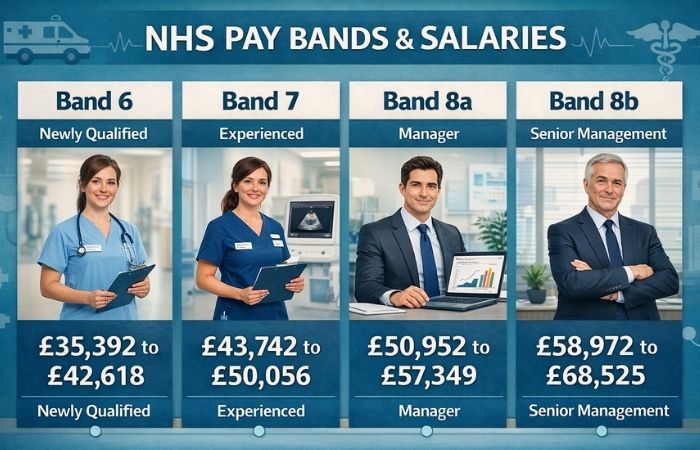
The National Health Service uses a very specific system called ‘Agenda for Change’ for pay. Under this system, jobs are put into different groups known as pay bands for everyone. Most entry-level hospital roles begin at Band 6, which offers a very steady income. As you gain more skills, you can move up to Band 7 or Band 8a. Therefore, your earnings will grow as you take on more responsibilities in the clinical setting.
What Can You Earn in Community Shops?
Community pharmacies in the UK pay differently from NHS hospitals. Still, they offer good salaries for trained pharmacists. On average, you can earn £40,000 to £50,000 per year. Big chains like Boots and Superdrug often pay more to attract skilled staff. They have stores across the UK, so you may find a job close to home.
On the other hand, small local pharmacies may pay a bit less. However, they often give flexible working hours. This helps you manage your work and family life better. Some shops also pay extra for weekend or late-night shifts. Because of this, your total income can be higher than your basic salary. Supermarket pharmacies also stay open longer, so you may get more chances to work extra hours.
As you gain experience, your pay can increase further. For example, managers or lead pharmacists in busy stores can earn over £55,000 per year. Location also plays a big role. Cities like London usually offer higher pay. In addition, large companies may give benefits like health insurance and staff discounts, while smaller pharmacies often offer a friendly team and a supportive work environment.
- Large companies often provide health insurance and store discounts to their hard-working staff.
- Smaller shops might offer a more friendly and close-knit team environment for you.
- You can earn extra money by managing the pharmacy and leading a small team.
- Supermarket pharmacies usually have very long opening hours for the local public to use.
Why Does the Pharmacist Salary UK Vary By Region?
The pharmacist salary UK changes a lot depending on where you work. Different areas have different costs of living and demand for pharmacists. For example, London usually pays more because rent and daily costs are higher. Many employers in London add a London Weighting allowance to help workers cover these costs. As a result, pharmacists in London can earn up to 10 to 15% more than in other parts of the UK.
In smaller towns or rural areas, pay is often lower, but the cost of living is cheaper, too. Some remote regions in Scotland, Wales, or Northern England offer higher salaries to attract more pharmacists. Therefore, you might earn around £45,000 to £55,000 outside big cities, while in London or high-demand areas, you could earn £55,000 to £65,000 or more. Also, shifting between regions can affect your daily life and savings.
Is Locum Work Better for Your Wallet?
A locum is a pharmacist who works in place of other staff when they are off. Many pharmacists choose locum work because it gives more freedom. You can choose when and where you work. You do not get a fixed yearly salary. Instead, you get paid by the hour.
This hourly pay can be higher during busy times, like winter or summer holidays. For example, some locum pharmacists earn between £40 and £50 per hour. This depends on their experience and where they work.
Average Locum Hourly Rates by Region
- London: £28 to: £36
- North of England: £32 to £42
- Scotland: £38 to: £48
- Wales: £32 to: £40
However, being a locum also has challenges. You do not get paid if you are sick, so careful money management is essential. Also, you must handle your own taxes as a self-employed professional. Moreover, locums often travel to different pharmacies each week to find enough work.
How Can You Boost Your Yearly Income?
You can increase your pharmacist’s income by learning new skills and taking extra training. For example, becoming an independent prescriber can raise your pay by about 10 to 15% in 2026. Moreover, this skill lets you write prescriptions without a doctor’s help. Also, working in specialist areas like heart health or elderly care often pays more than general roles. Therefore, focusing on these areas boosts your yearly salary.
Many pharmacists take postgraduate diplomas in clinical pharmacy to show expertise. Because employers value these certificates, they often pay higher wages. Also, moving into management or senior roles can increase your yearly income to over £60,000. Some pharmacists choose industry jobs, where salaries can reach £65,000 to £75,000.
However, these roles may need strong business or research skills. Moreover, networking at local pharmacy events can help you find better job offers. Therefore, improving your skills and connections helps you earn more money each year.
Are There Many Jobs for Immigrants Here?
The UK has a very diverse workforce. Many pharmacists here come from all over the world. As a healthcare professional, your skills are in high demand. The government often puts pharmacists on the “shortage occupation” list. This makes it much easier for you to get a visa.
The working environment is usually very respectful. It is welcoming to people from all backgrounds. You will likely meet many other people who moved from abroad, just like you. The process to register with the pharmacy council is clear and fair. You may need to take some extra exams, but the rewards are worth it. You can grow a safe and stable future for your family.
What is the Daily Life of a High Earner?
A high-earning pharmacist often handles many responsibilities during their workday. For example, they might manage a large team in hospitals or busy pharmacies. Moreover, they make important decisions about patient care every day. Senior pharmacists work closely with doctors to choose the best medicines for patients. Because of this, their work directly affects patient safety and health outcomes. Therefore, their high pay reflects these critical responsibilities.
- Checking that all prescriptions are safe and correctly prepared for patients.
- Leading meetings to improve patient safety and workflow efficiency.
- Advising patients on medicines like inhalers, blood pressure pills, or antibiotics.
- Managing budgets, ordering medicines, and supervising staff performance.
- Teaching junior pharmacists and technicians how to perform their jobs correctly.
However, high earners often work long hours but gain great experience and respect.
Why Is Job Security So Good In This Field?
Pharmacy jobs in the UK have very strong job security. Because people always need medicine, pharmacists remain in high demand. Moreover, even during economic slowdowns, pharmacies continue to operate and hire staff. You rarely need to worry about losing your job.
The UK population is ageing, which also increases the demand for healthcare and medicines. For example, older people require more prescriptions, creating stable work for pharmacists. Many pharmacists come from diverse countries, and the government often makes the visa process easier. Because of this, skilled workers can enter the field quickly.
Also, the NHS and private sectors provide clear career paths with promotions and salary growth. Training opportunities keep pharmacists valuable to employers. However, you must maintain your registration and continue learning new skills. Therefore, a career in pharmacy offers both financial stability and long-term professional security.
How Do You Manage Your Taxes And Pension?
When you receive your wage, some money will be taken out for taxes automatically. This is called Pay As You Earn, or PAYE, and it is very simple to understand. These taxes pay for things like schools, roads, and the free healthcare you receive here. Furthermore, a small amount goes towards your National Insurance to help you in the future. You should always look at your payslip to see exactly where your money is going.
Moreover, your employer will usually put money into a pension pot for your retirement days. This is basically free money that grows over time until you stop working for good. If you put in a little bit of your wage, the company adds more. Consequently, you will have a nice sum of money to live on when you are older. This is one of the greatest financial benefits of working in the United Kingdom today.
What Training Is Needed To Reach Top Pay?
To reach top pay, pharmacists must continue learning and gaining advanced skills. Extra certificates in specialist areas help increase salary. Moreover, studying long-term conditions like heart or lung disease makes you more valuable. Also, employers often pay for approved courses that improve staff knowledge.
Completing postgraduate diplomas or clinical pharmacy programs boosts expertise. Because of this, you can apply for higher-paid senior or management roles. Becoming an independent prescriber allows you to write prescriptions without a doctor. This skill can increase yearly income significantly.
Attending local pharmacy events and reading professional journals keeps you updated. Networking helps find new job opportunities with better pay. Achieving top salaries requires dedication and extra study while working. Therefore, pharmacists who continuously learn often get promoted faster. Proper training and professional growth are key to earning the highest pharmacist salaries in the UK.
Final Thoughts on Pharmacist Salary UK
The pharmacist salary UK offers a strong mix of stability, growth and rewarding work. Experience always opens the door to better pay. Moreover, you can explore NHS, community, or locum paths based on your goals. With the right skills and planning, this career can support a comfortable life in the UK. Overall, it remains a smart and secure choice for long-term success.
Frequently Asked Questions (FAQs)
1. What A levels do I need to be a pharmacist?
- You usually need A levels in chemistry and either biology, maths, or physics to start pharmacy.
2. Can a pharmacist earn 100k?
- Yes, experienced pharmacists in senior, management, or industry roles can earn around £100,000 or more.
3. What is the highest paying job in pharmacy?
- Pharmaceutical industry managers, clinical directors and senior NHS roles often pay the highest salaries.
4. Do you need a degree to be a pharmacist in the UK?
- Yes, you must complete a pharmacy degree (MPharm) and registration with the General Pharmaceutical Council.
5. Is 40 too old to become a pharmacist?
- No, people can start pharmacy careers at 40 or older with proper training and commitment.
6. Who has more salary, a nurse or a pharmacist?
- Generally, pharmacists earn more than most nurses, especially in senior or specialist roles.
7. Is AI replacing pharmacists?
- No, AI helps with tasks but pharmacists are still essential for patient care and advice.
8. Why is it so hard to become a pharmacist?
- Pharmacy requires long studies, exams and practical training, making it challenging but rewarding.
9. What is the burnout rate for pharmacists?
- Pharmacists face high stress, with around 20–30% experiencing burnout, especially in busy hospitals or community pharmacies.