
What does it take to keep a large lorry safe and ready for the road?
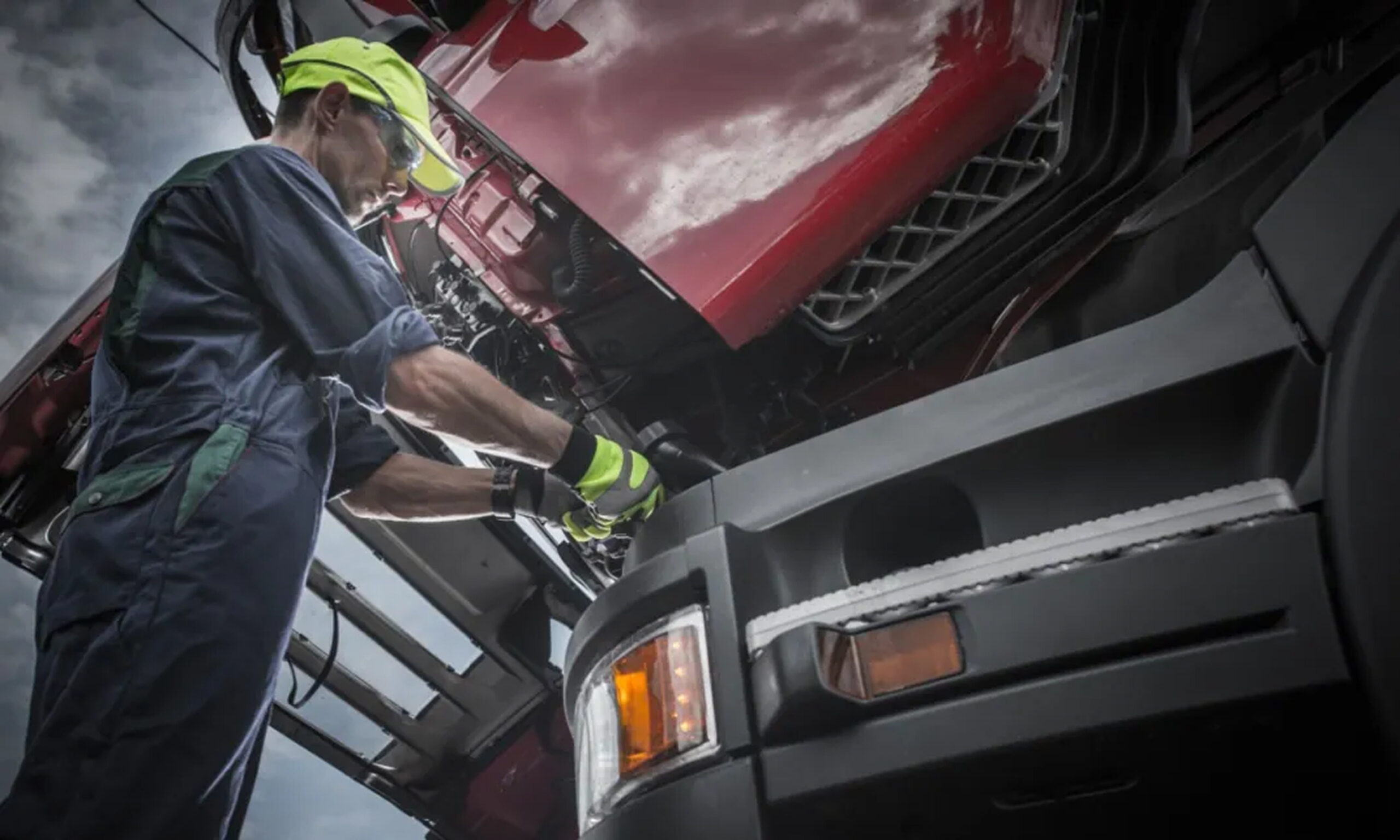
A lorry mechanic checks, repairs, and maintains heavy vehicles. They work on engines, brakes, tyres, steering, and other key parts. They also find faults and fix problems before they become serious.
This job matters because lorries help move goods across the UK every day. In 2025, GB-registered HGVs carried 1.53 billion tonnes of goods in the UK. They also travelled 19 billion kilometres during the year.
So, skilled mechanics play an important role in keeping transport moving. The UK National Careers Service lists a typical salary of £26,000 for starters and up to £55,000 for experienced workers.
In this guide, you will learn what they do, what skills they need, how to start, and what they can earn in the UK.
What Does a Lorry Mechanic Do?
A mechanic fixes and checks large vehicles such as HGVs and trucks. They find faults and repair parts that do not work well. For example, they can fix engines, brakes, gearboxes and tyres. They also check lights, batteries and other key parts. Regular checks help keep lorries safe on UK roads. Also, a mechanic can service a lorry to help prevent bigger faults. If a lorry breaks down, they can find the cause and make repairs. Some mechanics also offer roadside help. Therefore, they help drivers keep their lorries safe, reliable and ready for work.
A good mechanic checks each problem with care. They use tools and tests to find faults quickly. They also explain the repair before work starts.
When Should You Call a Mechanic?
Call a mechanic when your HGV shows signs of a fault. For example, watch for strange sounds, smoke, leaks or warning lights. Also, call for help if the lorry feels hard to steer or stop. If your lorry breaks down on a UK motorway, move to a safe place if possible. Then switch on your hazard lights and call for help. A mechanic can often fix simple faults at the roadside. However, some problems need garage repairs. A mobile mechanic may reach you quickly, but time depends on traffic and location. Never drive on with serious brake, engine or gearbox problems.
- Warning Signs Your Lorry Needs a Mechanic
Watch for warning lights on the dashboard. Also, listen for new or strange sounds. Smoke, oil leaks and weak brakes need quick attention. Poor steering can also show a serious fault.
- After a Motorway Breakdown
If your lorry breaks down on a UK motorway, move to a safe place if possible. Turn on your hazard lights and stop safely. Leave the vehicle from the left side when safe. Then call for breakdown help.
- Roadside Lorry Repairs
Many mobile mechanics offer roadside lorry repairs. They can fix some battery, tyre, brake and electrical faults. However, larger problems may need a garage. A mechanic can check the lorry and advise you.
- Mobile Mechanic Response Times
A mobile mechanic may reach you quickly after a breakdown. However, the time depends on your location, traffic and workload. Some services offer help 24 hours a day. Ask for an estimated arrival time when you call.
- Driving With a Serious Lorry Fault
Do not keep driving if your lorry has a serious engine, brake or gearbox problem. Stop somewhere safe and get expert help. Driving with a major fault can cause more damage. It can also put other road users at risk.
Does a UK Mechanic Need an NVQ Level 3 Qualification?
A UK mechanic does not always need an NVQ Level 3. However, it can show good skills in heavy vehicle repair. Many employers prefer mechanics with this qualification. It can also help them find better jobs.
An NVQ Level 3 shows that a mechanic can check, service and repair heavy vehicles. It covers engines, brakes, steering and electrical systems. So, it gives mechanics useful skills for HGV work.
You can start a mechanic career without an NVQ Level 3. However, you still need good skills and work experience. An apprenticeship can help you learn while you work. It can also help you gain useful repair skills.
Many employers look for mechanics with recognised qualifications. A Level 3 qualification shows that you understand heavy vehicle systems. It also gives employers more trust in your skills. So, it can help when you apply for jobs.
Extra training can also help HGV mechanics. Some mechanics train to work on certain lorry brands. They may also learn about new tools and repair systems. As a result, they can work with newer HGVs more easily.
How Much Does a Lorry Mechanic Cost in the UK?
A mechanic in the UK may charge different rates for different jobs. The hourly rate often depends on the mechanic, location and repair type. Simple jobs usually cost less than major engine or gearbox repairs.
Also, mobile mechanics may charge extra for travel or emergency call-outs. Before work starts, ask for a clear price estimate. This helps you avoid surprise costs later. If the repair needs new parts, the total cost will also increase. Therefore, compare prices and check what each quote includes.
Typical Mechanic Costs
Lorry repair costs can change based on the type of work needed. Simple checks usually cost less than large repairs. Also, mobile call-outs may add extra costs to the final bill. The table below gives a general guide to common lorry mechanic costs in the UK.
| Service | Cost guide |
| Basic inspection | £50–£100+ |
| Hourly labour | £50–£100+ |
| Mobile call-out | £50–£150+ |
| Basic repair | £100–£500+ |
| Major repair | £500–£2,000+ |
What Can Change the Repair Cost?
Several things can change the final repair price. Here are the main costs to consider:
- Type and age: Older lorries may need more work. Costs can range from £100 to £500 or more.
- Faults and repairs: Small faults may cost £50–£150. Bigger repairs can cost £500–£2,000+.
- Hourly rate: Many mechanics charge around £50–£100 per hour.
- Parts: New parts can add £50–£1,000+ to the bill, depending on the part.
- Location: Prices often cost more in large UK cities. London may have higher labour rates.
- Emergency call-outs: Night or weekend work may add £50–£150 or more.
- Travel: Mobile mechanics may charge £50–£150 for a call-out and travel.
What Services Do They Provide?
They offer many services to keep HGVs safe and ready for work. They check engines, brakes, tyres, gearboxes and other key parts. They also find faults and repair damaged parts. Regular servicing can help prevent costly breakdowns.
- HGV Servicing and Maintenance
Regular servicing helps keep your lorry in good working order. A mechanic checks the main parts and finds small faults early. This service may cost around £150–£500+ depending on the lorry. Also, regular checks can help prevent bigger and more costly repairs.
- Engine Diagnostics and Repairs
Mechanics use tools to find engine faults. They can then repair or replace damaged parts. Simple repairs may cost £100-£500+, while major work can cost more.
- Brake Inspection and Repairs
Good brakes help keep drivers and other road users safe. Mechanics check brake pads, discs and other parts. Brake repairs can cost around £150-£800+.
- Clutch and Gearbox Repairs
A mechanic can check for clutch and gearbox problems. Small clutch repairs may cost £200-£600+. Major gearbox work can cost much more.
- Electrical and Fault Finding
Mechanics can find problems with batteries, lights and wiring. They use testing tools to locate the fault. Simple electrical repairs may cost £50–£300+.
- Suspension, Steering and Trailer Repairs
Mechanics also check suspension and steering parts. They can repair trailers and other commercial vehicles too. Costs often start around £100-£500+, depending on the work.
- MOT Preparation and Repairs
A mechanic can check your lorry before its MOT test. They can fix faults that may cause problems during the test. This helps your lorry stay safe and ready for work.
How Can Regular Lorry Maintenance Save Money?
Regular lorry maintenance can save money by finding small faults early. It also helps prevent costly breakdowns and keeps your lorry ready for work. Therefore, regular checks can reduce repair bills and lost work time.
Regular servicing helps you spot worn or damaged parts before they fail. For example, fixing a small fault may cost £100–£300. However, a major breakdown can cost £1,000–£5,000 or more. So, early repairs can save money over time.
Your lorry needs regular checks based on its mileage, age and daily use. A lorry that travels many miles may need more frequent checks. Therefore, follow the manufacturer’s service plan and check key parts often.
Mechanics should check the brakes, tyres, engine, battery, steering and suspension. They should also check the clutch, gearbox, lights and fluid levels. These checks help find wear before it causes a bigger problem.
Regular maintenance can also reduce downtime. A broken lorry can delay deliveries and cause lost income. However, planned repairs help you avoid sudden breakdowns and keep your vehicle working.
Good service records can make maintenance easier too. They show when your lorry had checks and repairs. Also, they help you plan future work and control costs.
Overall, regular maintenance costs money, but it can prevent larger bills later. It also keeps your lorry safe, reliable and ready for work.
What Factors Affect Lorry Repair Costs?
Lorry repair costs depend on the fault, lorry type, parts and labour time. Your location and repair time can also change the final price. Emergency work may cost more too. Therefore, always ask for a clear quote before repairs start. Different lorries need different parts and repair processes. Large HGVs can cost more to repair than smaller commercial vehicles.
Older lorries may also need more work due to wear. So the lorry’s size and age can affect the total repair cost.
Small repairs often cost less than major mechanical work. For example, a basic repair may cost around £100–£500. However, engine or gearbox repairs can cost £1,000–£5,000 or more. The fault type plays a big part in the final bill.
Many UK mechanics charge around £50–£100 per hour. The total labour cost depends on how long the job takes. Simple faults may take one or two hours. Complex repairs can take much longer.
Parts can make up a large part of your repair bill. Small parts may cost £50–£200. Larger engine or gearbox parts can cost £500–£2,000 or more. Choosing quality parts can also affect the final price.
Repair costs can vary across the UK. Large cities may have higher labour rates and call-out charges. Mobile mechanics may also add travel costs. Therefore, local prices can affect your final repair bill.
Emergency repairs often cost more than planned repairs. Night, weekend and motorway call-outs may add £50–£150 or more. Regular servicing can help you avoid some unexpected repair costs.
Conclusion on Lorry Mechanic
A lorry mechanic plays an important role in keeping HGVs safe and ready for work. They check, service and repair key parts such as engines, brakes and gearboxes. Regular lorry checks can help avoid expensive breakdowns and keep work delays to a minimum.
If you want to build a career in this field, the right training can help. An HGV Mechanic Course can teach you useful skills for heavy vehicle repair. It can also help you understand key HGV systems and common faults.
Therefore, gaining the right skills and practical knowledge can improve your career options. With good training and experience, you can work towards a rewarding role as an HGV mechanic.
FAQs About Lorry Mechanic
1. What do you call a truck mechanic?
- A truck mechanic is often called an HGV mechanic, lorry mechanic, or heavy vehicle mechanic in the UK.
2. What does a HGV mechanic do?
- An HGV mechanic checks, services and repairs large vehicles. They work on engines, brakes, gearboxes, tyres and other parts.
3. Are HGV mechanics in demand?
- Yes, HGV mechanics are in demand across the UK. The transport industry needs skilled mechanics to keep lorries safe and working.
4. What do truck mechanics do?
- Truck mechanics find faults, repair damaged parts and carry out regular servicing. They also help prevent breakdowns.
5. What is the hardest job for a mechanic?
- Major engine and gearbox repairs can be some of the hardest jobs. They need time, skill and the right tools.
6. What type of mechanic works on trucks?
- An HGV mechanic or heavy vehicle mechanic works on trucks and lorries. They have skills for large commercial vehicles.
7. How much do lorry mechanics get paid?
- Pay varies by experience, location and employer. In the UK, many HGV mechanics earn around £30,000–£45,000 a year, while experienced mechanics may earn more.
HGV Mechanic Course
Course Description :
- Certificate: Yes(Free)
- Accreditation: CPD Accredited
- Access: Lifetime