
4. Electrical devices can become dangerous over time if they are not checked regularly. A broken kettle, computer, or other device can give shocks, start a fire, or stop working. That is why safety checks are essential. You may ask, who does these checks? PAT testers do. They look at and test appliances to make sure they are safe in schools, offices, hospitals, and homes. Now you might be thinking about how to become a PAT tester and start this important job.
To start working in this field, you need proper training and a recognised PAT testing qualification. Courses like City & Guilds 2377-77 teach both theory and practical work. You will learn how to check appliances, use PAT testing machines, and follow safety rules in the UK. The courses also teach record-keeping, risk checks, and testing steps. This training gives you the skills and qualifications to work safely, confidently and professionally as a PAT tester.
Now, let’s look closely at the steps to explore the answer to the most common question: how do I become a PAT tester.
Understanding PAT Testing
What is PAT testing and what does it involve?
- PAT testing checks electrical items to make sure they are safe. PAT means Portable Appliance Testing. First, the tester looks at the item carefully. This step helps find damaged plugs, loose wires or broken parts. Next, a PAT testing machine checks the item. These two steps work together to find problems early and reduce danger.
Why is PAT testing done in workplaces and homes?
- Electrical problems can cause shocks or fires. Sometimes, they can also cause serious harm. Because of this, regular testing is important. Many workplaces use PAT testing to keep people safe. Schools, hospitals, rented homes, and offices also use it. This helps protect people and follow UK safety rules.
What are the different classes of electrical appliances in PAT testing?
- Electrical items are not all the same. So, PAT testing puts them into classes. Each class shows how an item protects people from electric shock. Once you know these classes, testing becomes easier and safer.
Class 1, 2, 3 Appliances: Which Need PAT Testing?
- Class 1 appliances have an earth wire to keep you safe. Because of this, they need regular testing. You will see these in everyday items like kettles, fridges, and washing machines.
- Class 2 appliances do not have an earth wire. Instead, they use double insulation to protect you. Even so, they still need testing, but the process is a little different. Phone chargers and hairdryers are common examples.
- Class 3 appliances use very low voltage. This makes them very safe to use. For this reason, they usually only need a quick visual check. Laptops and devices with power adapters are in this group.
Who Can Perform PAT Testing
Do you need to be qualified to PAT test?
- You do not always need a certificate to do PAT testing. Still, it is very important to know the right steps. Testing appliances safely protects people and stops accidents. This is why training is helpful. It teaches the correct way to check devices and gives you confidence.
Who can do PAT testing legally in the UK?
- Legally, any competent person can do PAT testing. A competent person knows about electrical safety and how to test appliances properly. This can be trained staff, supervisors, or professional PAT testers. Because of this, employers must make sure the person doing the testing is capable and confident.
What Makes Someone a Competent PAT Tester?
You are ready to PAT test when you can:
- Understand basic electrical risks
- Spot damaged plugs, loose wires, and worn cables fast
- Use a PAT tester with care and confidence
- Pick the correct test for each appliance
- Read test results and know what they mean
- Record results clearly and label every appliance
Can business owners or staff perform PAT testing themselves?
Yes, business owners or trained staff can test appliances. However, they must follow the correct steps and UK safety rules. If they are unsure, it is safer to hire a qualified PAT tester. This keeps appliances safe and the business follows the law.
Legal Requirements and Responsibilities
What Key Laws Cover PAT Testing in the UK?
Here’s what you must know about UK PAT testing laws:
- Electricity at Work Regulations 1989 – This law keeps electrical equipment safe. It says equipment must be installed correctly, checked often, and looked after. It helps stop shocks, fires, and accidents.
- Health and Safety at Work Act 1974 – Everyone at work must be safe. This law makes employers provide a safe workplace, train staff, and reduce risks. It helps prevent accidents before they happen.
- PUWER 1998 & MHSWR 1999 – Workplaces and equipment must be safe. PUWER says machines and tools must be used properly and maintained. MHSWR helps businesses identify risks, plan safety steps and train workers. Together, they keep everyone safe.
How Does PAT Testing Connect to Other Safety Rules?
PAT testing does more than check appliances. It also helps follow other safety rules at work:
- Fire safety: Safe appliances lower the chance of a fire.
- Energy efficiency (SECR): Testing makes sure devices work well and save energy.
- COSHH & chemical safety: Reduces risks when using electrical devices near chemicals.
- Lone worker safety: Keeps people safe when they work alone.
- Emergency preparedness: Helps prevent accidents that may need first aid.
How to Become a PAT Tester in the UK?
Becoming a PAT tester in the UK starts with knowing the rules and getting the right training. You don’t always need formal certificates, but recognised ones like City & Guilds 2377-77 show you can work safely and confidently. You also need to follow UK laws such as the Health and Safety at Work Act 1974, the Electricity at Work Regulations 1989, and PUWER 1998 & MHSWR 1999. Following these rules keeps appliances safe and protects people in offices, schools, hospitals, and homes.
Do You Need Training to Use a PAT Tester?
The law does not say you must take one fixed course. However, it gives one clear rule. Only a competent person can do PAT testing. This means you must understand electrical safety. You should know how to find faults, pick the right test, and read results correctly. If you do not know these steps, testing can be unsafe.
So, how do you become competent? The key is to complete the right training. Courses like City & Guilds 2377-77, PAT Testing Level 3, and online PAT courses teach these skills. First, you learn how to check appliances by eye. Next, you learn how to use a PAT tester and follow safety rules. Many courses include practice. Because of this, you gain confidence and test every appliance safely.
PAT Testing Equipment and Tools
To be a good PAT tester, you need the right tools. These tools help you check electrical devices safely and correctly. They also stop accidents and protect people.
What PAT Testers Are Commonly Used?
- PAT100 & PAT120: These are simple and easy to use. They are good if you are just starting or testing a few devices in a small office.
- PAT150: This tester has more features. It can check insulation and earth connections. It is good for businesses that test many appliances.
- PAT400 series: These are advanced testers. They can test automatically, save results, and print reports. Professionals and big workplaces use them.
Using the right PAT tester makes your work faster and safer. If you only need to check a few devices, a simple tester is enough. It is easy to use and gives correct results.
But if you need to test many devices, an advanced tester is better. It saves time and can keep all your results automatically. This makes your work look professional.
How Do PAT Testers Work?
All PAT testers check the basics:
- Earth wires – Check that the earth wire is connected and working.
- Insulation – Make sure wires and parts are covered.
- Polarity – Check that live, neutral and earth wires are connected correctly.
How Does Software Work With PAT Testers?
Software makes PAT testing faster and easier while keeping everything organised. First, it stores all your test results in one place, so you can find them quickly whenever you need them. Then, it can create reports automatically, which saves you time and effort. In addition, some software reminds you when a retest is due, so you never miss a check.
In the UK, professionals often use software like EasyTest, PATGuard, PrimeTest, and Quentic for PAT testing. These tools can generate certificates, keep a record of each device, and even manage multiple locations. By using software, you can stay organised, work more efficiently and test devices like a professional.
How to Carry Out PAT Testing Correctly?
1. How Do I Prepare for a PAT Test?
- Collect all the appliances you need to test. Check that your PAT tester is ready and fully charged. Keep labels, a logbook, or software nearby. Wear safety gloves or glasses if needed. Being ready helps you work safely and saves time.
2. What Happens During a Visual Inspection?
- Look at each appliance carefully. Check for broken plugs, exposed wires, cracks, scorch marks or water damage. This helps you find problems before using the tester.
3. How Do I Test Earthing Continuity?
- Test the earthing wire to make sure it works. Connect the tester and follow the instructions. A correct reading shows the appliance is safe from electric shocks.
4. How Do I Test Safety Switches and RCDs?
- Check safety switches and RCDs. These devices protect people from shocks. Use the tester and press the test button. Make sure the switch trips and resets correctly.
5. How Do I Record Results and Label Appliances?
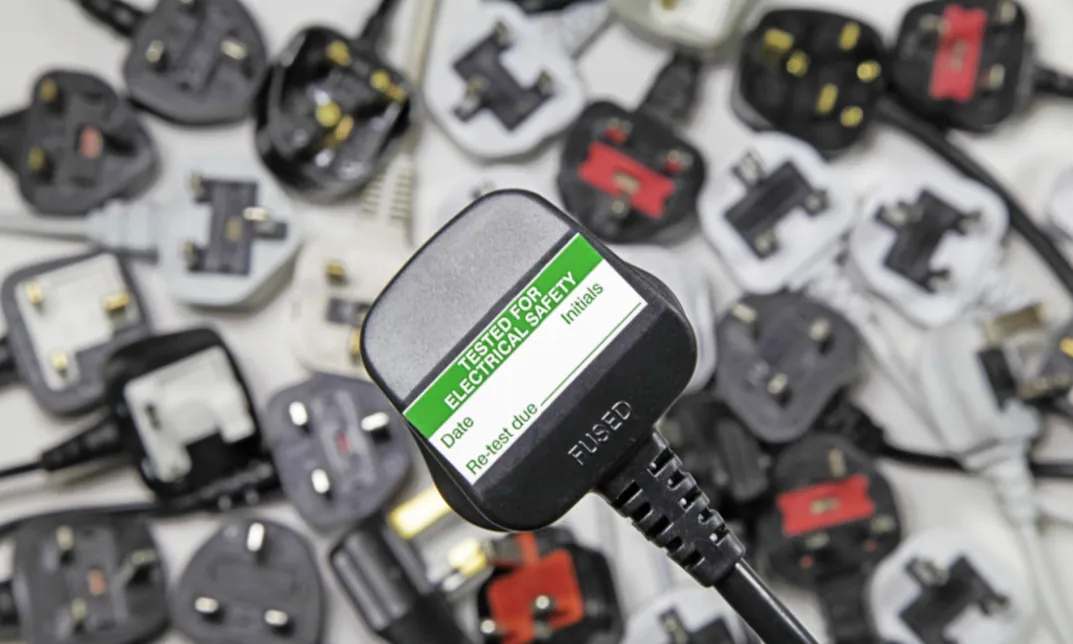
- Write down each result in a logbook, spreadsheet or software. Put a label on each appliance with the test date and result. This keeps your work organised and proves the appliance is safe.
6. What Common Mistakes Should I Avoid?
These are some of the common mistakes PAT testers make during testing:
- Rushing the test.
- Skipping the visual check.
- Not checking all connections.
- Forgetting to write down results.
- Using the wrong tester settings.
- Not wearing safety gear.
- Testing broken or damaged appliances.
- Forgetting to put labels on appliances.
- Missing retest dates.
- Ignoring safety rules.
Frequency and Best Practices of PAT Testing
1. How Often Should I PAT Test Different Appliances?
- Not all appliances need the same checks. Devices you use every day, like computers, kettles, or power tools, need regular testing. Items you use less often, like spare projectors or heaters, can be tested less often.
2. How Often Should Offices and Schools Test Appliances?
- In offices and schools, testing is usually done once a year. On construction sites and in factories, testing happens more often, every 3–6 months. Heavy use or rough conditions can make equipment wear out faster, so checking often keeps everyone safe.
3. How Does Equipment Usage and Environment Affect Testing?
- Appliances used a lot or in tough conditions, like dust, water or heat, can break faster. These need more frequent checks. Appliances in quiet or clean areas can be tested less often.
4. Why Is Risk-Based PAT Testing Important?
- Some devices are more dangerous if they fail. Risk-based testing focuses on these first. This saves time, prevents accidents and keeps the workplace safe without checking every single device.
Career Path and Job Prospects
1. How Do I Find a Job as a PAT Tester?
- You can work in offices, schools, hospitals, factories, and construction sites. Look at job boards, company websites, or recruitment agencies. Talking to other professionals or joining safety groups can help you find jobs faster.
2. What Skills Do Employers Look for in PAT Testers?
- Employers want testers who are careful, reliable and focused on safety. You need to know how to use PAT equipment and find problems quickly. Being organised, noticing small details, and explaining things clearly help a lot.
3. What Is a Typical Workday for a PAT Tester?
- A day includes checking plugs, wires, switches, and appliances. You test items, write results, label devices and sometimes use software to keep records. Some work is on-site and some is in the office for reports and schedules.
4. What Is the Expected Salary and Earning Potential?
If you start as a PAT tester in the UK, you can earn about £18,000–£20,000 per year. As you get more experience, your pay can go up to £22,000–£25,000. Experienced testers who work on bigger sites or high-risk projects can earn £28,000–£30,000 or more. Where you work also matters. London and big cities usually pay more, while smaller towns or rural areas often pay less.
You can earn even more by taking extra courses, like NEBOSH, NVQ Electrical Maintenance or advanced PAT training. These help you get higher jobs like supervisor, manager, or consultant, which pay better. Another way to earn more is by starting your own PAT testing business. Beginners may earn £20,000–£25,000 a year, but experienced business owners with regular clients can make £35,000–£50,000 or more. To increase your income, focus on long-term contracts, offer regular retesting, and tell local schools, offices, and factories about your services.
5. What Are the Long-Term Opportunities for PAT Testers?
PAT testing can lead to different career paths:
- Lead a Team: Manage other PAT testers and make sure all sites stay safe.
- Start Your Own Business: Offer PAT testing services and earn a regular income.
- Become an Electrician: Use your skills to work in wider electrical jobs or maintenance.
How do I start a PAT testing business?
You can turn your PAT testing skills into a business that earns money. To start, first get the right tools, such as PAT testers, software to record results, and insurance to stay protected. Next, focus on finding clients. Reach out to local businesses, promote your services online and offer clear prices. Setting up regular retesting contracts helps you earn a steady income.
Running a business has its challenges. You will need to manage your schedule, follow safety rules and meet client expectations. With careful preparation and smart decisions, you can grow a business that is successful, trusted, and lets you work on your own terms.
What types of insurance do PAT testers need in the UK?
PAT testers must need insurance to stay safe In the UK. For example, public liability covers accidents or injuries that happen while testing. Meanwhile, professional indemnity protects you if a client claims your work caused damage. Equipment insurance protects your PAT testers and tools from accidents or damage. Following safety rules and keeping clear records lowers risks even more. With the right insurance and careful work, you can test safely, work professionally and earn trust from every client.
What Challenges Do PAT Testers Face?
Here are the issues you might face:
- Damaged plugs and cables: Frayed wires, exposed parts or cracked plugs are dangerous. These can cause electric shocks or short circuits.
- Wrong wiring or fuse: Loose wires or wrong fuses can make the appliance unsafe. It can fail to protect users in an accident.
- Broken casing: Cracks or holes can show live parts inside. This increases the risk of electric shocks.
- Signs of overheating: Burn marks, strange smells or discolouration mean danger. It shows the appliance may catch fire or fail.
- Bad DIY repairs: Homemade fixes with tape or wrong materials fail safety tests. They do not meet safety rules and can be risky.
- Skipping the visual check: Not looking carefully can miss obvious damage. Some problems are clear without using a tester.
- Wrong test order or settings: Using the wrong steps or voltage can give false results. This may mark a faulty device as safe.
- Old or uncalibrated testers: PAT machines need checking, or results can be wrong. Regular calibration ensures accurate and safe testing.
Final Thoughts on Becoming a PAT Tester
So, how to become a PAT tester in the UK? After reading this guide, the path is clear. Start with proper training, like City & Guilds 2377-77, to learn how to test appliances safely and confidently. This gives you real skills you can use right away.
Next, get certified to show you can work safely and professionally. With experience, you can work in offices, schools, construction sites or even start your own PAT testing business. Take action today, start your training, and turn your skills into a rewarding career as a PAT tester.
FAQs
- What qualifications do you need for a PAT tester?
You need a recognised PAT training course like City & Guilds 2377-77.
- How much does a PAT tester earn?
PAT testers usually make £18k–£30k and the more experience or contracts you take, the more you can earn.
- How much does it cost to become a PAT tester?
Courses usually cost between £200–£500 depending on the provider and level.
- Can you be a PAT tester without being an electrician?
Yes, anyone who is trained and competent can work safely as a PAT tester.
- How long does it take to train as a PAT tester?
Most courses last 1–3 days with hands-on practical sessions.
- Are PAT testers in demand?
Yes, offices, schools and businesses always need safe appliances checked.
- Is it hard to become a PAT tester?
No, training is simple and you quickly gain confidence with practice.
- Which testing is the highest paid?
High-risk or large-scale site testing usually pays the best rates.
PAT Testing Course
Course Description :
- Certificate: Yes(Free)
- Accreditation: CPD Accredited
- Access: Lifetime