
How much do bricklayers get paid per brick in the UK? Actually, current labour-only work can work out at around 50p to 80p per brick. However, bricklayers usually agree a rate per 1,000 bricks rather than getting paid for each brick separately.
The key thing to understand is that this figure does not always show one bricklayer’s take-home pay. A price-work rate can cover a whole gang. Daily output and job difficulty also affect real earnings. Site delays and CIS deductions can make a difference too. So, the price per brick is only the starting point when working out what a bricklayer can really earn.
Let’s break down the real figures and see how bricklayers get paid across different types of work.
How Much Do Bricklayers Get Paid Per Brick in the UK?
There is no fixed bricklayer pay per brick UK rate. Straightforward price work can bring around £500 to £800 per 1,000 bricks or roughly 50p to 80p per brick. However, the headline figure can be misleading. On gang work, that rate can cover the whole team’s output rather than one bricklayer’s take-home pay.
However, that figure needs careful reading. A per-thousand rate often applies to completed brickwork or to a gang. It does not automatically describe one bricklayer’s wage.
The clearest points are:
- Price work usually uses a rate per 1,000 bricks.
- Straightforward work can sit around £500 to £800 per 1,000 bricks.
- Some price-work jobs can reach about £775 per 1,000 bricks.
- Blockwork often uses a separate rate per square metre.
- The quoted rate can cover gang output, not one bricklayer’s take-home pay.
The detail that matters here is that a higher rate does not always mean higher daily earnings. A clean wall at 65p per brick can produce more income than a difficult wall at 75p if the second job has many cuts and delays.
How Does Bricklaying Price Work Per 1,000 Bricks Actually Work?
Price work links payment to measured output. So, the amount due rises as approved brickwork is completed. This system works well on large housing sites where wall runs repeat and progress is easy to measure.
Why Is the Rate Quoted Per 1,000 Bricks?
A per-1,000 rate makes the calculation easy. If the agreed price is £650 per 1,000 bricks, that works out at 65p per brick. At £775 per 1,000 bricks, the rate comes to 77.5p per brick.
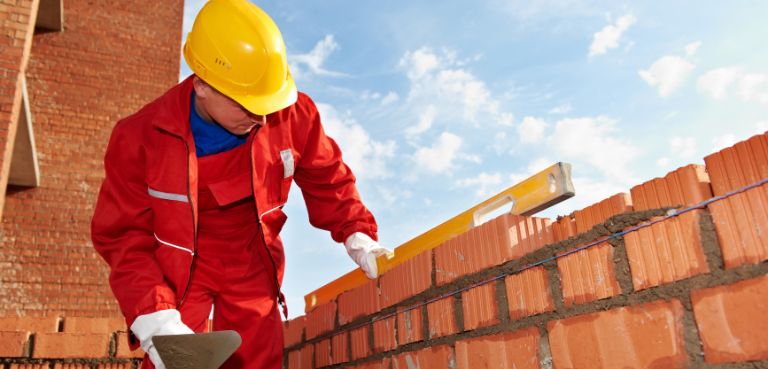
However, contractors normally measure the completed brickwork as one larger amount. This system rewards strong and steady output. The downside is that earnings can drop when bad weather, poor access or site delays slow the work.
Is Blockwork Paid the Same Way?
Not always. Blockwork is often priced by area rather than by each block. A rate of £18 per square metre means the worker or gang earns £18 for every square metre of completed blockwork.
This matters when comparing offers. One job can contain brickwork and blockwork with different measurement rules. Extras can also use separate prices.
Does One Bricklayer Receive the Whole Per-Thousand Rate?
Not necessarily. Price-work listings often recruit complete bricklaying gangs. So, the quoted amount can relate to the team’s finished output.
The point worth remembering is that bricklayer pay per 1000 bricks UK figures can describe work value rather than one person’s wage. The gang’s own arrangement decides how earnings are shared.
How Many Bricks Can a Bricklayer Lay in a Day and What Could They Earn?
A skilled bricklayer can lay about 500 bricks in one day. This is possible when the wall is simple and there are no big problems. However, an apprentice may lay around 250 bricks a day. As a team, two skilled bricklayers and one labourer can lay about 1,200 bricks on suitable work.
Those figures show why output matters so much on price work. However, they are working benchmarks rather than promises. A detailed wall can cut the brick count sharply.
What Could 500 Bricks Be Worth on Price Work?
The maths gives a useful view of gross output value:
- 500 bricks at 50p equals £250.
- 500 bricks at 65p equals £325.
- 500 bricks at 77.5p equals £387.50.
- 600 bricks at 65p equals £390.
These figures do not show guaranteed personal wages. A gang can share the output value. CIS can reduce the cash paid to a subcontractor at that stage. Self-employed workers also have business costs.
Can a Bricklayer Lay 1,000 Bricks in One Day?
Yes. It can happen on simple continuous work with good labour support. Still, it is not a sensible everyday benchmark for one bricklayer.
The day-to-day reality is that windows and doors interrupt the laying rhythm. Corners and cuts do the same. Wall ties and insulation also use time without adding many bricks. Current guidance also highlights wall height and pointing as factors that can reduce output.
The picture changes at the gang level. That is why gang output should never be confused with individual output.
Why Can Working Faster Reduce Earnings?
Rushing only helps when quality stays high. Poor lines or weak joints can create snagging. Wrong details can lead to sections being rebuilt. As a result, unpaid rework can wipe out the benefit of faster output. The point that carries the most weight is that accepted work creates value.
What Is the Average Wage for a Bricklayer in the UK?
Bricklayers in the UK can earn around £25,000 a year when starting out. As their skills grow, earnings can rise to about £45,000 a year. Most bricklayers work around 40 to 44 hours each week.
For employed bricklayers, the main benefit is a steady income. They may also get paid holidays and a workplace pension. However, self-employed bricklayers can earn more if they have regular work and complete more jobs.
So, the choice often comes down to stability versus earning potential. Employment gives more security. Piecework can offer higher returns when the conditions are right.
How Much Does an Apprentice Bricklayer Earn?
An apprentice bricklayer in the UK usually earns about £16,200 to £18,500 a year in their first year. However, the exact pay can change. It depends on how many hours they work and whether their employer pays more than the legal minimum.
From 1 April 2026, the apprentice minimum wage is £8 per hour. At 40 hours a week, this works out at about £16,640 a year. This rate applies to apprentices under 19. It also applies to those aged 19 or over during their first apprenticeship year.
For apprentices aged 19 or older, the minimum wage for their age applies once the first year ends. So, their yearly earnings can rise as they progress.
What Is the Day Rate and Hourly Rate for a Bricklayer?
A bricklayer in the UK can usually charge around £240 to £320 a day. Based on an eight-hour day, this is about £30 to £40 an hour. However, this is only an estimate based on the daily rate. It is not a fixed hourly wage across the UK.
Day-rate work often suits jobs where brick output is hard to measure. This includes:
- Repair work
- Alterations
- Awkward extensions
- Detailed brickwork
- Stop-start projects
The main point is that skilled work does not always mean laying more bricks. A bricklayer may spend time cutting bricks or matching old brickwork. They may also need to fix difficult parts of a wall. So, a day rate can be fairer when the job needs more time and skill, rather than more bricks.
Why Does Bricklayer Pay Per Brick Change So Much?
Two walls can contain the same number of bricks and still require very different amounts of labour. That is why bricklaying pay rates move with job difficulty and site conditions.
How Do Brick Type and Wall Design Change the Rate?
Long, straight walls help bricklayers work at a steady speed. Facing brickwork needs a neat and clean finish. However, decorative patterns and arches need more care. Curved walls and piers can also slow the work down. The important point is that a higher brick rate does not always mean more daily pay. For example, a worker earning 65p per brick may earn more than someone getting 75p per brick. This can happen when the 65p job has a simple, straight wall that is quicker to build.
So, compare the work behind the price. The per-brick number alone cannot show the value of the job.
Why Do Openings and Small Details Reduce Output?
Windows and doors break up a wall run. Returns and lintels add more steps. Wall ties and insulation take extra time too. Cuts can also reduce output sharply. The worker still needs to measure and prepare each piece even though the finished brick count rises more slowly.
What matters most is that price work rewards completed output. Therefore, a job with many small details needs a rate that reflects the slower pace.
How Do Site Conditions Affect Earnings?
Site setup can make or break a price-work job. Common slowdowns include:
- Bricks stored far from the wall
- Late mortar supply
- Scaffold changes
- Poor access
- Forklift delays
- Wet weather
- Unfinished preparation
The real problem starts when the bricklayer is ready, but the site is not. This waiting can mean less work gets done on price work. However, on a day rate, the bricklayer still gets paid for some of this waiting time.
Why Do Pointing and Quality Matter?
Pointing takes time and can change how the finished work looks. Some jobs include it in the main price. However, other jobs charge extra for this finishing work.
Quality also affects how good a rate really is. Fast work may seem better at first. But if it fails an inspection, you may need to fix it without extra pay. So, the best measure is good speed, good quality and work that gets accepted.
How Does Working in a Bricklaying Gang Affect Your Pay?
Bricklayers often work in gangs. A gang can include two bricklayers with one labourer or another setup that fits the site.
Good labour support keeps bricks close and mortar ready. As a result, skilled workers spend more time laying. Current trade guidance suggests that two good bricklayers with one labourer can reach around 1,200 bricks per day on suitable work.
Does Every Bricklayer Get the Full Price-Work Rate?
No. A price-work rate can apply to the total output of a bricklaying gang rather than one worker. For example, a rate of £775 per 1,000 bricks can cover the work completed by the whole team.
Each gang can divide earnings differently based on roles and experience. Therefore, the full per-thousand rate should not be treated as one bricklayer’s personal pay.
Is Price Work Better Than a Day Rate for Bricklayers?
Neither payment method is always better. Price work can pay more when output is high while a day rate gives more predictable earnings when jobs are slow or difficult.
Price work pays for completed output. A day rate pays for time worked. So, the better option depends on the job and site conditions.
When Can Price Work Work Better?
Price work can work well on jobs with:
- Long and repeated wall runs
- Materials ready when needed
- Reliable labour support
- Well-organised sites
- Experienced bricklaying gangs
The biggest advantage is the chance to earn more. A fast bricklayer or team can finish more work and increase their pay. However, there is also more risk. Bad weather can slow the work down. Missing materials can also cause delays. Poor access or other workers may slow the job too. So, the price paid for each brick does not tell the full story. A lower rate on an easy wall may earn more money each day than a higher rate on a difficult job.
When Can a Day Rate Work Better?
A day rate often works better when the amount of brickwork is difficult to predict. Repairs and alterations are good examples because hidden problems can appear once work begins.
It can also suit:
- Small building jobs
- Detailed brickwork
- Awkward extensions
- Restoration work
- Jobs with frequent changes
In these situations, progress can be slow even when the bricklayer is working efficiently. A day rate protects the value of the worker’s time when brick count does not reflect the amount of work involved.
How Much Do Self-Employed Bricklayers Actually Take Home?
A self-employed bricklayer can earn more than an employed worker. However, this does not mean they keep all the money. Business costs can reduce how much they take home at the end of the year. Key costs affecting bricklayer take-home pay:
- Tools and equipment
- Van costs
- Fuel
- Insurance
- PPE
- Accounting
- Business administration
There can also be unpaid time between jobs. Bad weather and travel can reduce the number of productive days available each year.
So, how much a self-employed bricklayer earns mainly depends on more than the advertised day rate or price-work rate. Actual take-home income depends on completed work and business costs as well as tax.
How Does CIS Affect Bricklayer Pay?
The Construction Industry Scheme (CIS) affects many self-employed bricklayers who work as subcontractors. In most cases, a registered and verified subcontractor has 20% deducted from qualifying payments. If the subcontractor is not registered or cannot be verified, the deduction normally rises to 30%.
However, bricklayers with gross payment status can get qualifying payments without CIS deductions. This does not mean their agreed pay rate drops by 20%. Instead, the CIS deduction goes towards their tax and National Insurance in advance.
There is another important point to understand. VAT and certain material costs paid directly by the subcontractor are not normally part of the CIS deduction calculation. As a result, the agreed bricklaying rate and take-home pay can look very different. The agreed rate shows the value of the work. Take-home pay shows what remains after CIS deductions and business costs.
What Should You Check Before Accepting a Bricklaying Price-Work Rate?
A high bricklaying price-work rate can still become a poor deal if the terms are unclear. Before starting, check exactly what the rate covers and how the work will be measured.
- What the rate covers: Confirm whether pointing, wall ties, insulation and cutting are part of the agreed price. Also check how blockwork is measured and paid.
- How extra work is paid: Ask how arches, unusual openings and design changes are priced. Make sure extra work is agreed before it begins.
- Who provides labour support: Check who moves bricks, prepares mortar and keeps the working area supplied. A good brick rate can quickly lose value if too much time is spent waiting or carrying materials.
- How delays are handled: Confirm what happens when late materials, scaffold changes or site problems stop progress.
- How completed work is measured: Agree how brickwork will be counted or measured before the job starts. This helps avoid disputes over completed output.
- When payment is made: Check payment dates, payment terms and CIS status before accepting the work.
A clear agreement makes the price per 1,000 bricks easier to judge. It also protects earnings and reduces the chance of payment disputes later.
Final Thoughts: How Much Do Bricklayers Get Paid Per Brick?
So, how much do bricklayers get paid per brick in the UK? For simple price work, the job can be worth anything from 50p to 80p a brick. Usually, this will be charged at between £500 and £800 per 1,000 bricks rather than paying for each individual brick.
But a higher rate does not always mean you will earn more. A simple wall may bring in more money each day than a harder job with a higher price per brick. This is because gang size, site delays, job details and the number of bricks laid each day can all affect your final earnings.
For self-employed bricklayers, CIS deductions and business costs matter too. So, the best rate is the one that delivers the strongest return for the time, effort and output required.
FAQs About Bricklayer Pay in the UK
1. Do Bricklayers Get Paid £1 Per Brick?
- Sometimes, but £1 per brick is not a standard UK rate. Straightforward price work often sits closer to 50p to 80p per brick at job or gang level.
2. How Much Do Bricklayers Charge Per Common Brick?
- For standard brickwork, the labour value can work out at around 50p to 80p per brick. Difficult designs, cuts and site conditions can push the price higher.
3. Can Bricklayers Make £100k a Year?
- Yes, but it is not typical. A busy self-employed bricklayer, gang leader or business owner could reach £100,000 in gross income. Costs and tax will reduce take-home pay.
4. How Much Do Bricklayers Get Paid Per Brick in England?
- In England, straightforward price work can value brickwork at roughly 50p to 80p per brick. Usually, the rate is agreed per 1,000 bricks rather than per single brick.
5. How Much Should I Pay a Bricklayer Per Day?
- A typical UK bricklayer day rate can sit around £240 to £320. The final price depends on skill, location and how difficult the job is.
6. Is Bricklaying a Dead-End Job?
- No. Skilled bricklayers can move into supervision, site management or self-employment. Some also build their own bricklaying or construction business.